
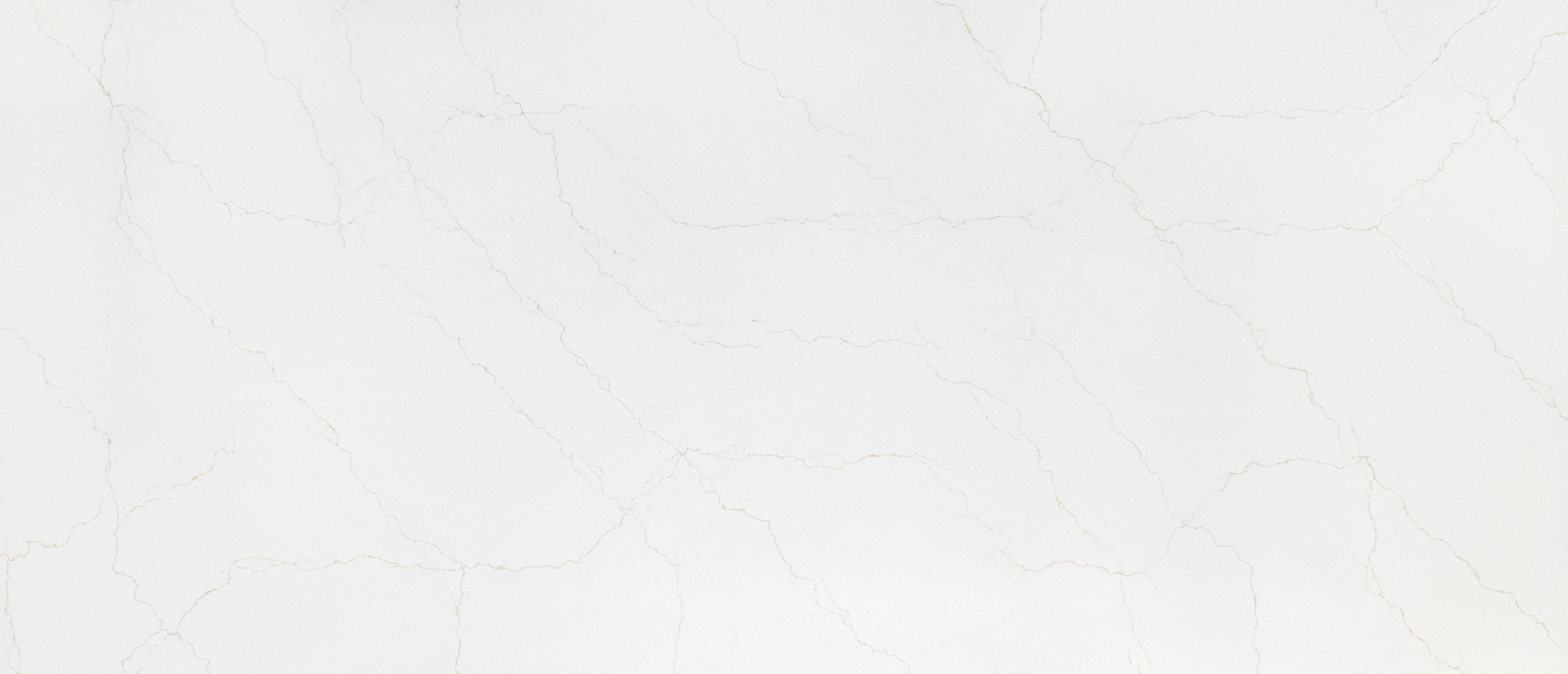
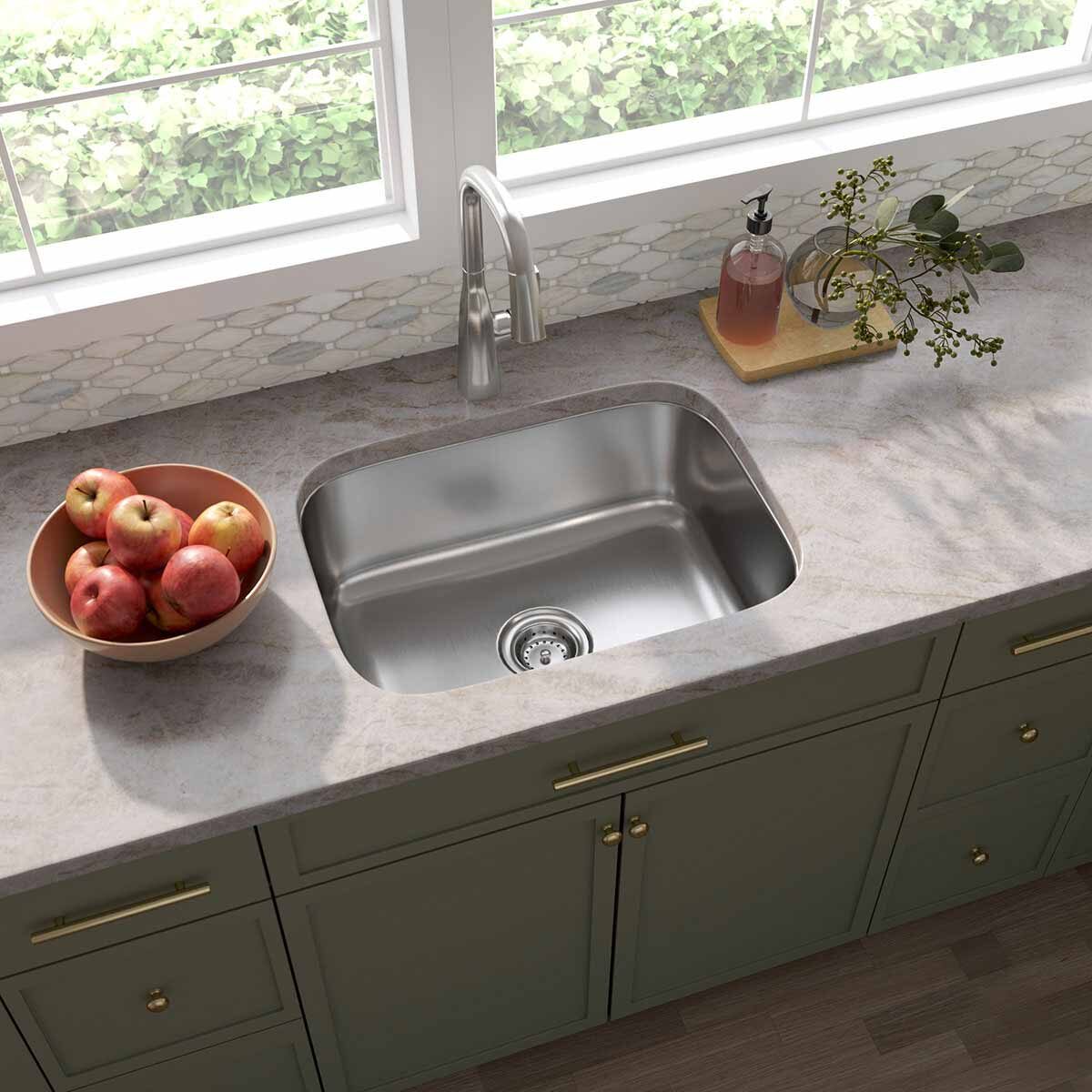
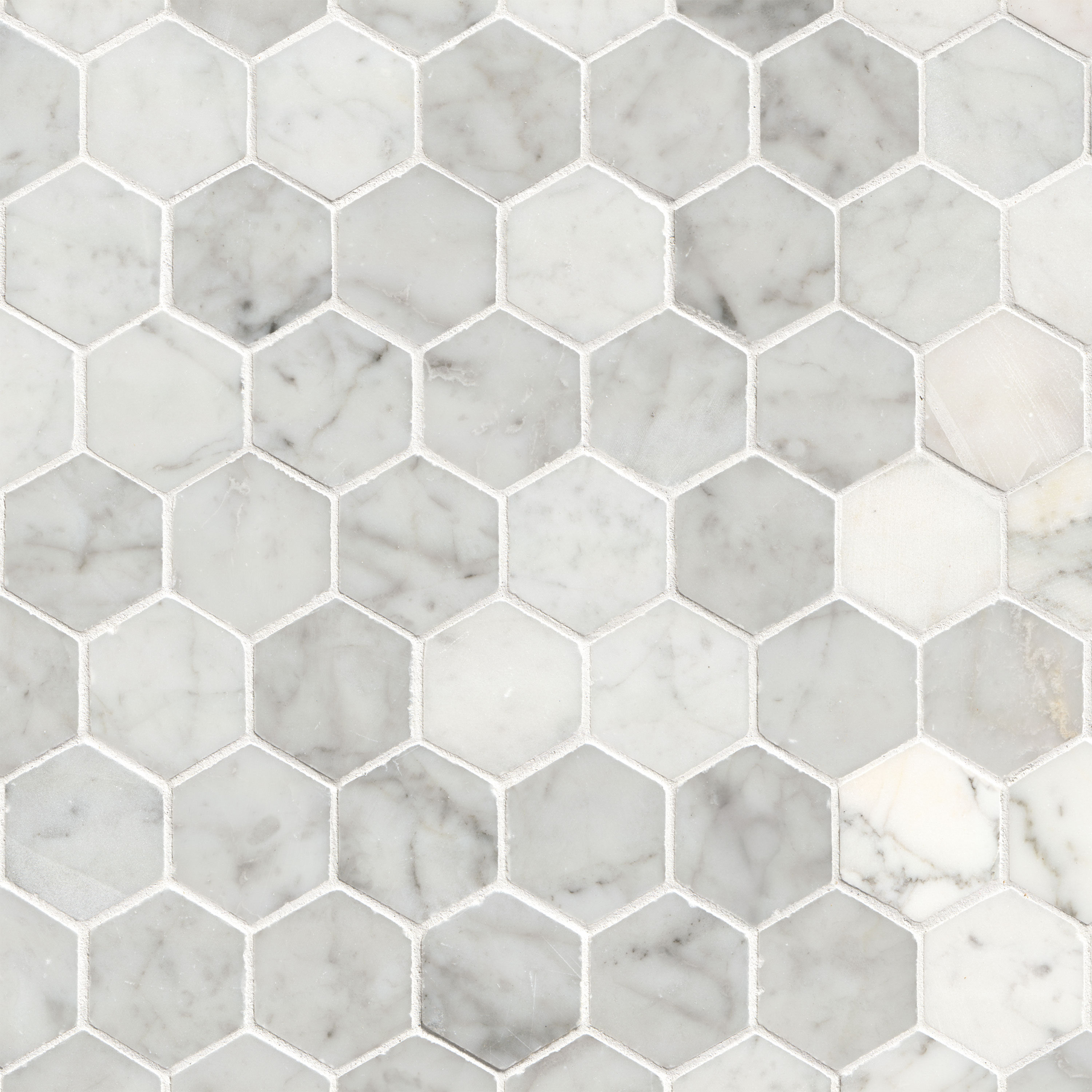
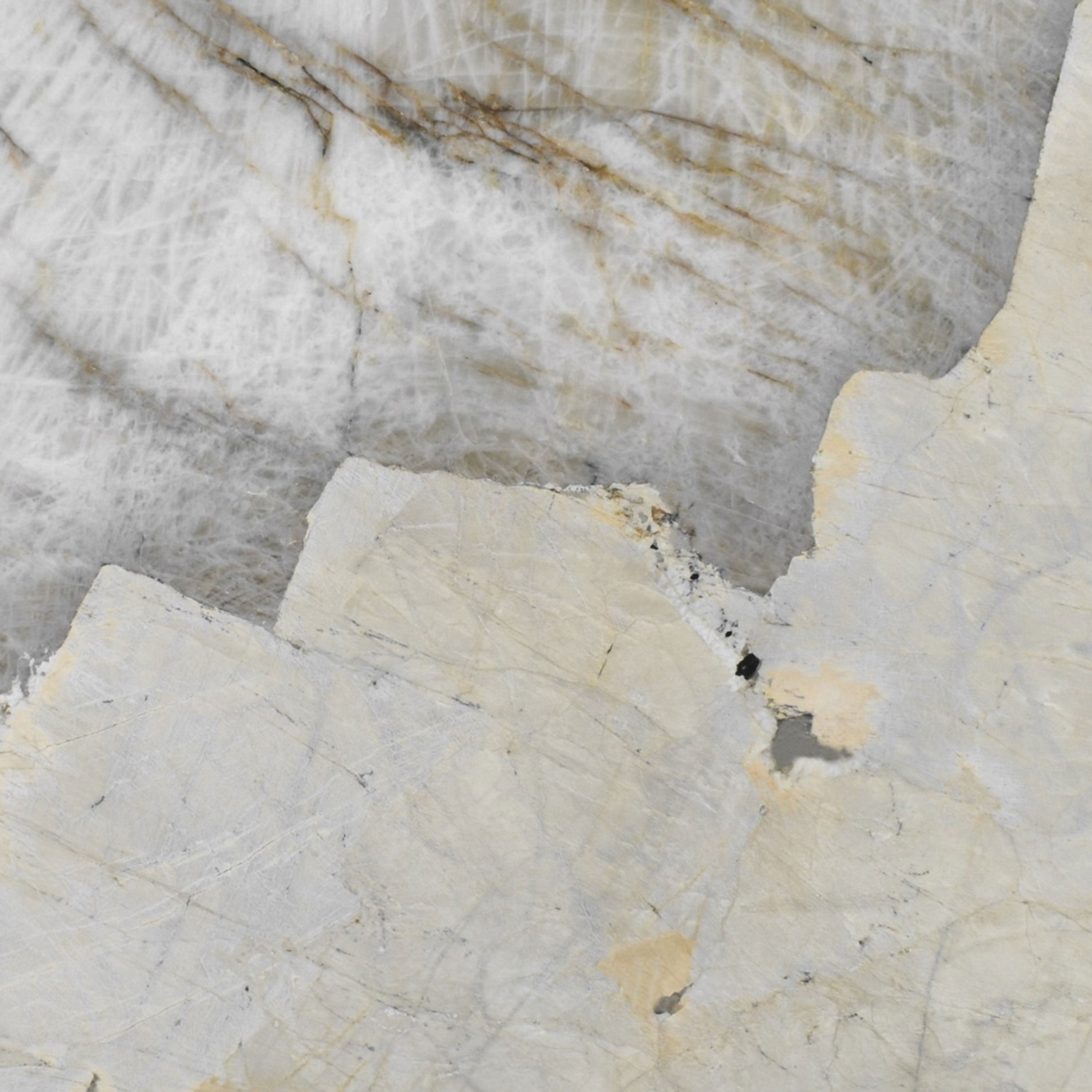
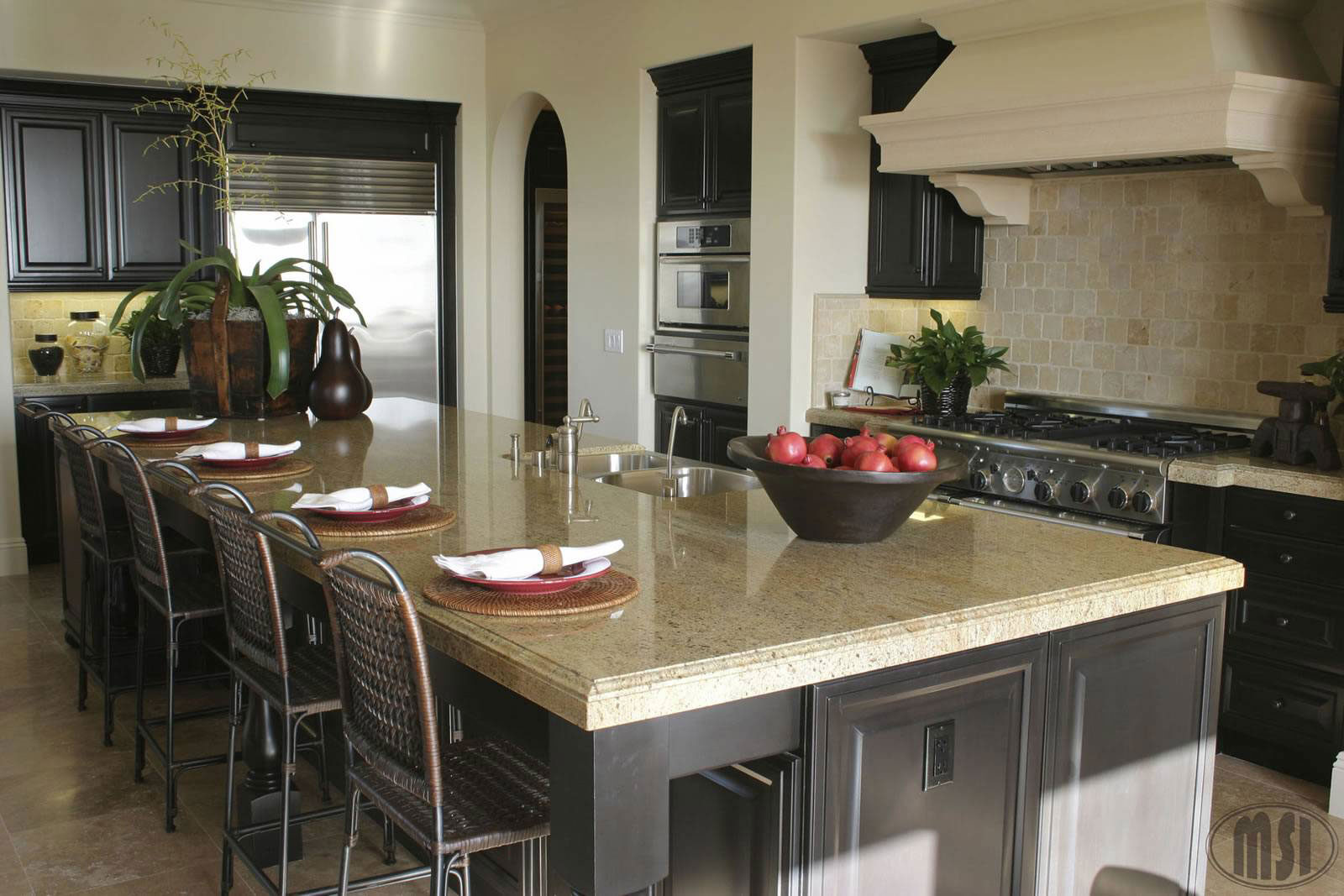
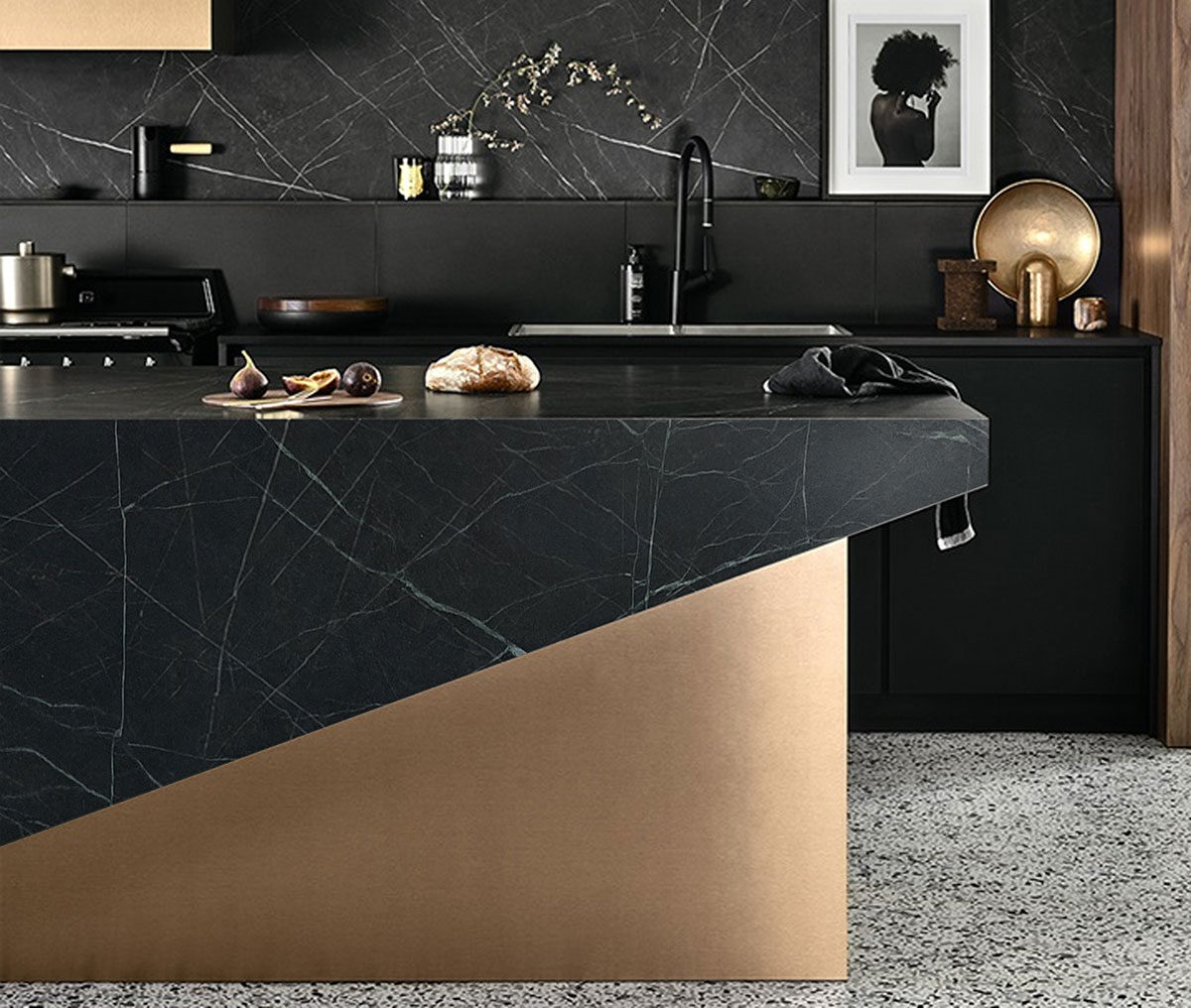
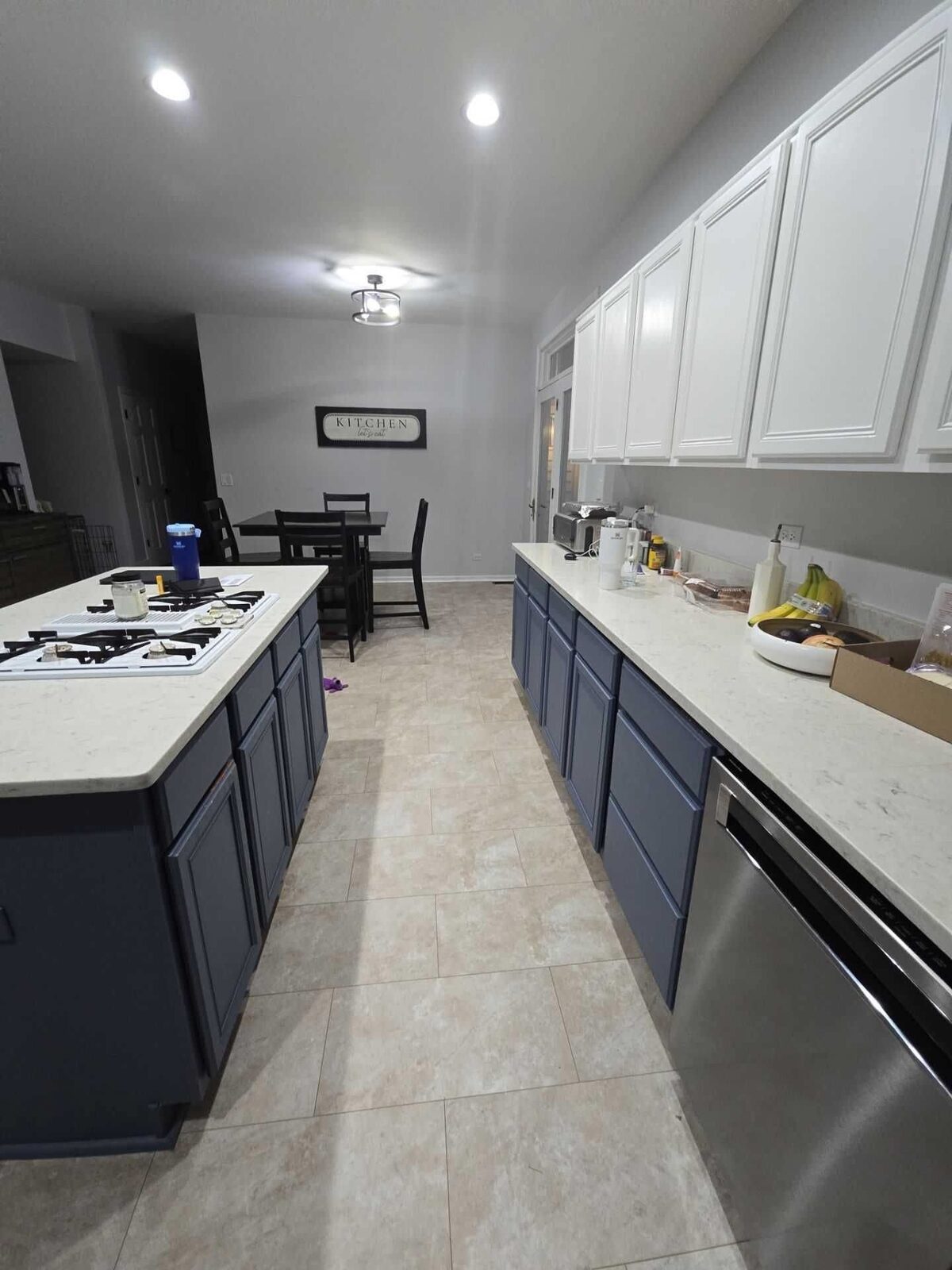
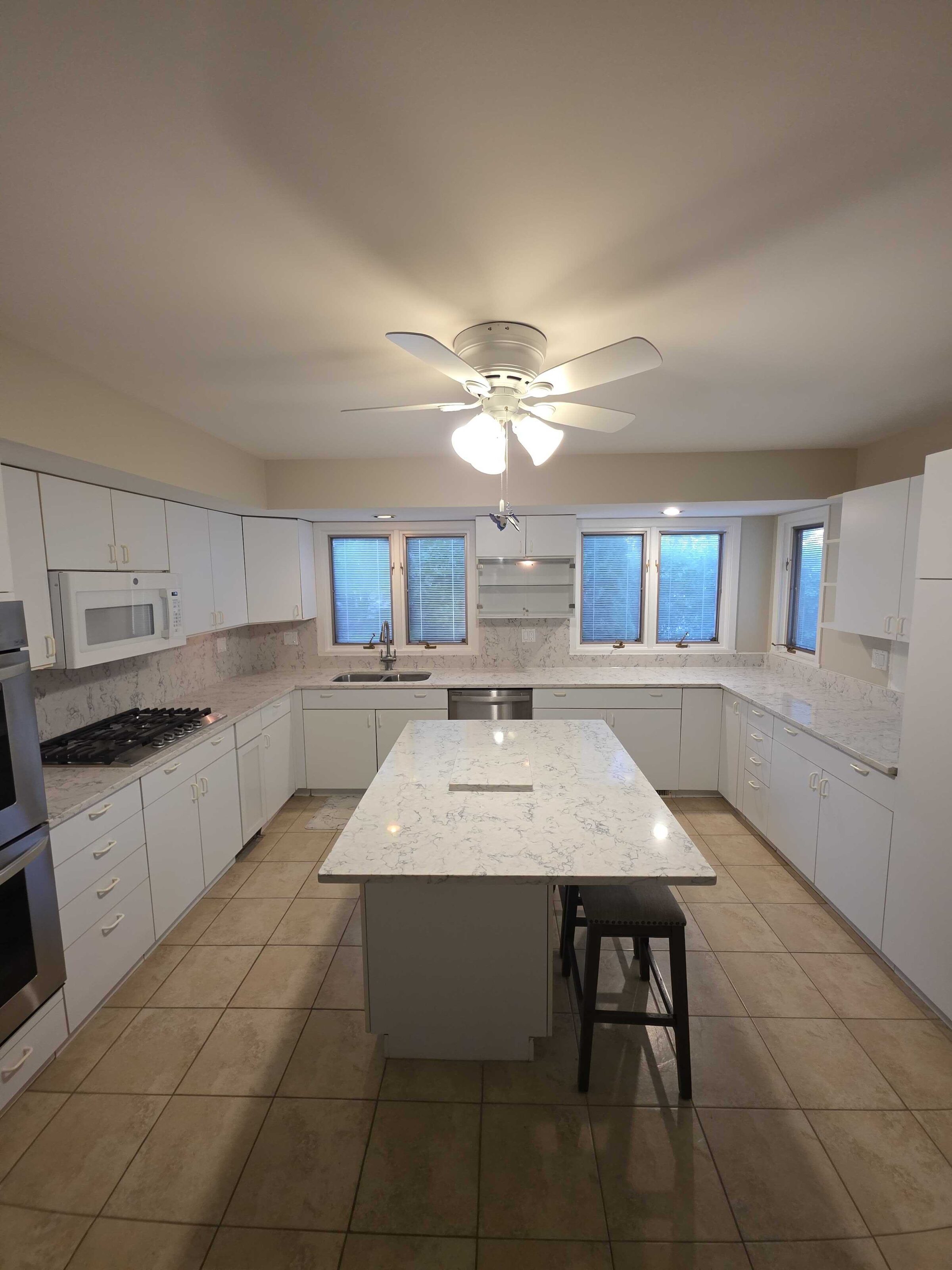

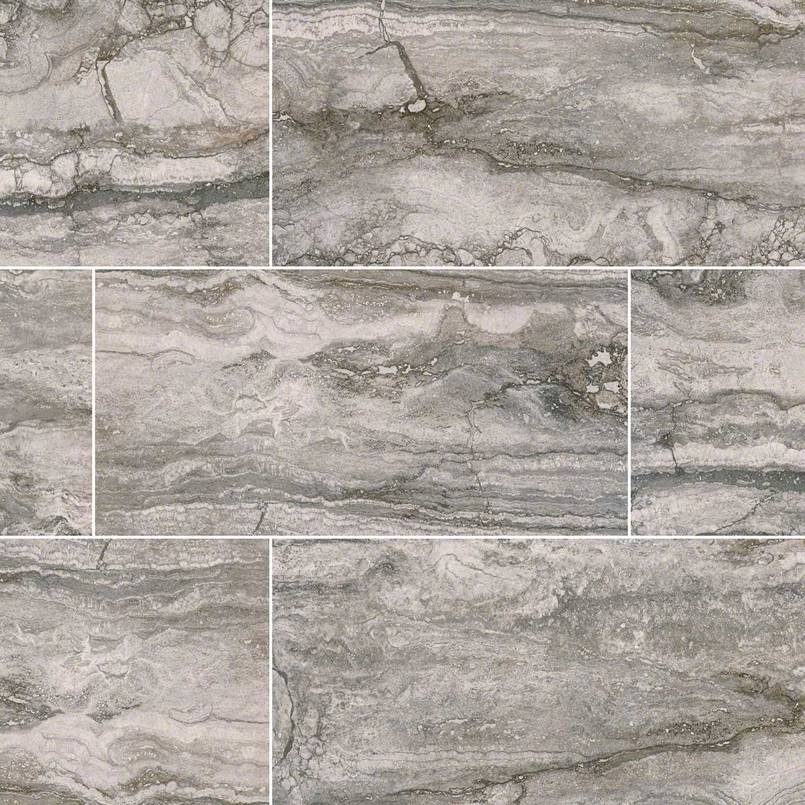
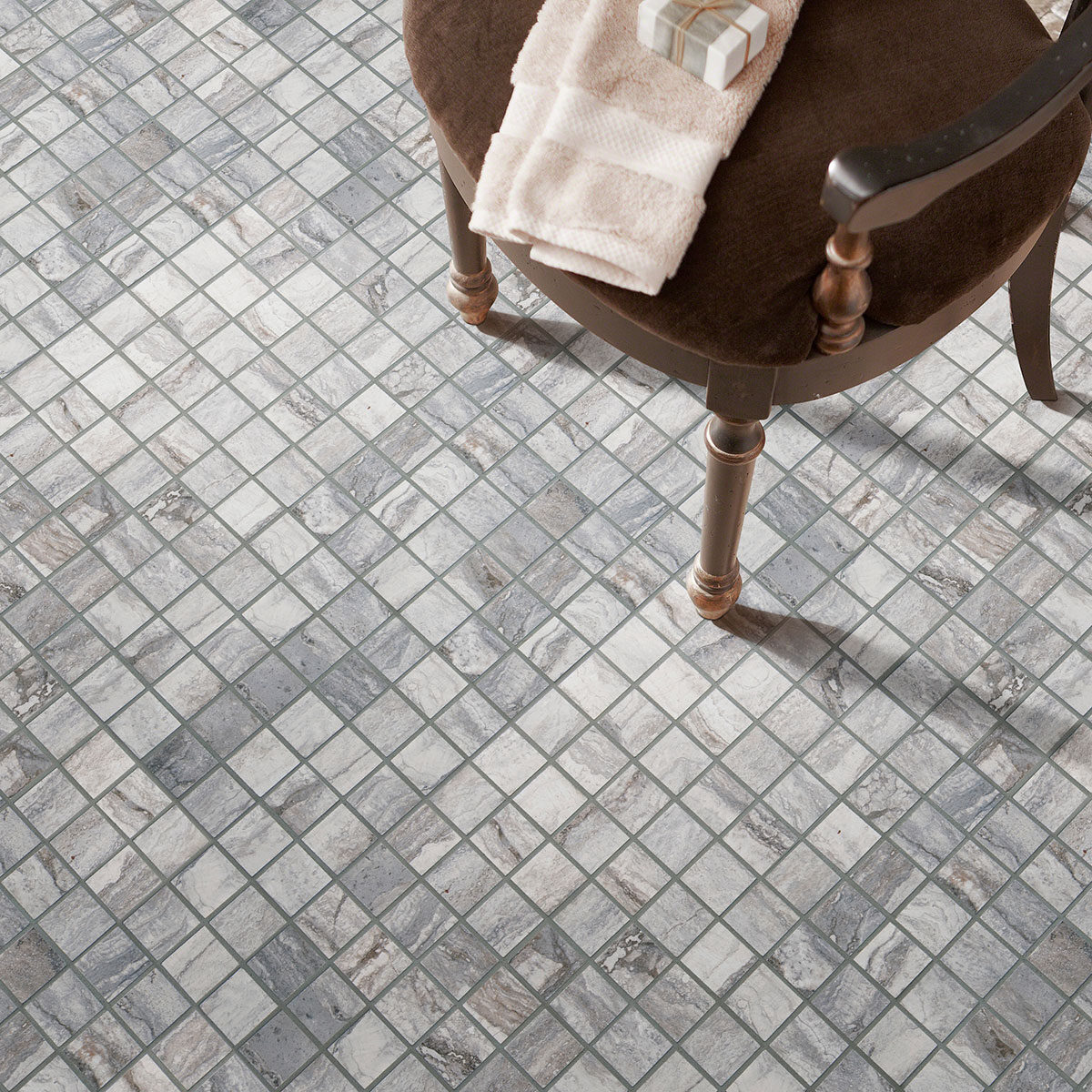
Carbone installed — a backsplash finished with this tile. Zoom in and read the pattern before you pick.
PorcelainCarbone
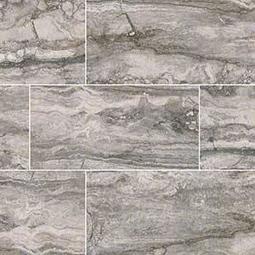
Gray-Light
Measured surface color #aa9b98, averaging #baaca8.
Flat surfaces read as one solid tone; heavily patterned ones vary piece to piece, so we lay them out with you before we cut.
- Style travertine
- Color light gray
- tile-to-tile variation V3
What kind of tile is Carbone?
We stock Carbone as porcelain, 12x24. It reads gray-light. We stock 4 formats of it — 12x24, 3x18 BullNose. Porcelain is ceramic fired denser and harder, so it absorbs almost no water and holds a cut edge around an outlet. The store classes it as glazed.
Sizes and finishes
How it is actually sold — measured off the spec sheet, not rounded.
Sizes
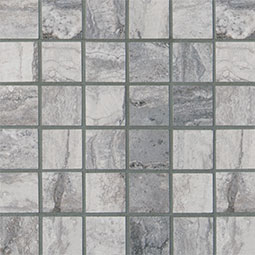
Carbone is made in 4 sizes. Size is the decision people skip and then notice every day: it sets how much grout line ends up in the field, and a larger module on the same wall reads calmer than a small one.
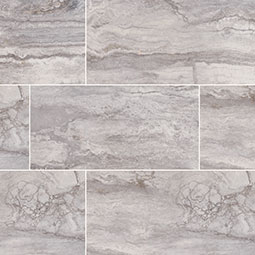
- 12x24
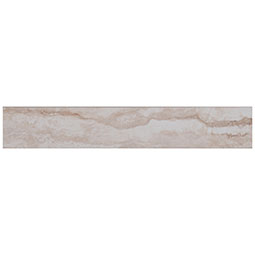
- 3x18 BullNose
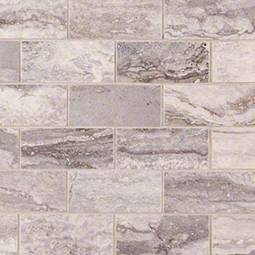
- 2x2
- 2x4
Planning the wall
What Carbone works out to on your wall, from its own published sizes.
| Size (inches) | Pieces per 10 sq ft | Grout line per sq ft |
|---|---|---|
| 12×24 | 5 | 1.5 ft |
| 2×2 | 360 | 12 ft |
| 2×4 | 180 | 9 ft |
Arithmetic on the published size; a straight grid layout. Herringbone and other patterns cut more pieces.
Same tile, very different walls: 2×2 is about 360 pieces per 10 square feet, 12×24 about 5.
12×24 is large-format — any edge of 15 inches or more — and large-format tile needs a flatter wall than small tile does, so we check the wall before we quote it.
The spec sheet lists it as rectified: the edges are ground square after firing, which is what lets the joints run tight and straight.
Counts are before cuts — outlets, window returns and the ends of a run all take pieces. The install itself, from wall prep to caulk, is on our backsplash installation page.
Where it works
The applications this surface is actually rated for.
Its maker rates Carbone for flooring — all of it at commercial duty.
Rated for
- Flooring — residential and commercial
Carbone or Bianco?
Carbone and Bianco are easy to confuse on a sample board: they share the same material, collection, style, glaze type, PEI rating, shade-variation rating, certifications, edge and sizes. What separates them:
- Measured off each swatch, Carbone reads #AA9B98 (mid-light, near-neutral) and Bianco reads #80776E (mid, near-neutral), so Carbone sits lighter than Bianco on the wall.
What to expect once it is installed
The ratings that decide whether the finished wall matches the sample.
Shade variation: V3 — moderate variation
Moderate variation is where a sample stops telling the whole story. Look at a few pieces, and insist the boxes get shuffled and dry-laid before anything is set.
Wear rating: PEI 3
PEI is the industry abrasion class, 1 to 5. At PEI 3 this tile is rated for walls, counters and normal residential floors — the usual rating for a kitchen.
Certifications
What it holds: Greenguard Gold · USGBC/LEED. Gold is not a marketing tier — it caps what the material is allowed to give off indoors, measurably lower than the base certification. It earns LEED credit as well, where a project is counting them.
What to put next to it
Built from the color we measured off Carbone itself, not from its name.
Forget the name for a moment. The swatch measures #AA9B98 — mid-light and near-neutral — which puts it nearest Concrete / Cement Gray in our pairing data. It sits close to neutral, which means it will take direction from the cabinets rather than fight them.
Cabinets
- Pure White — soft modern; keeps a small kitchen light without going all-white. Against this surface it is a step lighter, which lifts the surface without washing it out solid
Backsplash
- Terracotta / Clay — Concrete gray is the cold plunge terracotta needs — without it the clay goes theme-restaurant, with it the wall reads earthy and editorial.. Against this surface it is close in weight, so the two will blend rather than contrast current
Steer away from
- Light Gray — Flat gray on flat gray is the 2015 flip-house special — no undertone tension, so the whole room goes dishwater the moment the light drops.
Questions about Carbone
Answered from this product’s own spec sheet and our measurement of it.
What size is Carbone?
Carbone comes in 4 sizes: 12x24 · 3x18 BullNose · 2x2 · 2x4. Pick the size before the color. It decides how much grout line ends up in the field, and on the same wall a larger module reads calmer than a small one.
Where can I use Carbone?
Its maker rates it for flooring. We hold to that rating when we quote — installing outside it is how a warranty claim gets denied.
Will the tiles match the sample I saw?
Carbone is rated V3 — moderate variation. Expect visible differences in shade and pattern between pieces. Choose from several, and have the installer dry-lay and shuffle boxes before setting.
Can Carbone go on a floor?
Yes. At PEI 3 it is rated for normal residential floors as well as walls and counters — the usual rating for a kitchen.
What color is Carbone, really?
We measured its own swatch at #AA9B98 — mid-light and near-neutral. It sits close to neutral, so it takes direction from the cabinets rather than fighting them. Names are marketing; that number is what the camera saw.
Does Carbone need sealing?
No. Porcelain is vitrified almost to zero water absorption. The tile itself never needs sealing; cement grout still benefits from it.
Carbone installed
5 photographs of this tile in finished rooms — scroll the rail, tap any shot to zoom.


Close up
Swatches
Tiles that look like Carbone
-
-
Carbone specifications
- Available size12x24
- Available size3x18 BullNose
- Available size2x2
- Available size2x4
Rated for Flooring
Ready for a real number?
Free in-home template and an honest quote — you keep your money until there's a countertop to trade it for.