
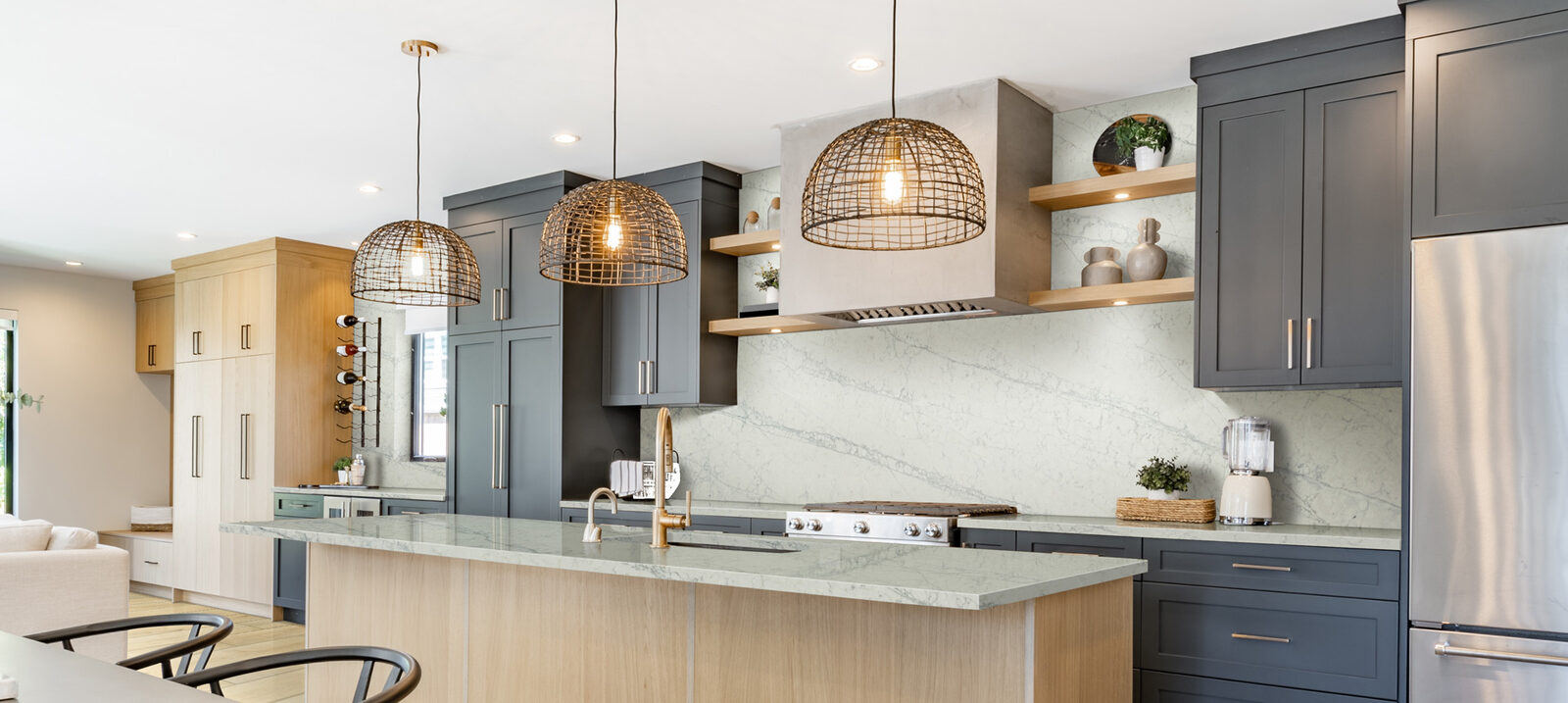
Backsplash tile
Glass, ceramic, and stacked-stone backsplashes to finish your wall.

Bianco Arabesque Tile
white
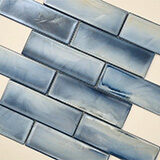
Blue Shimmer 2x6x6mm Subway
blue shimmer
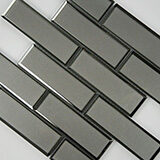
Champagne Bevel Subway 2x6x8mm
champagne

Ivory Amber Beveled Subway 8mm
ivory amber
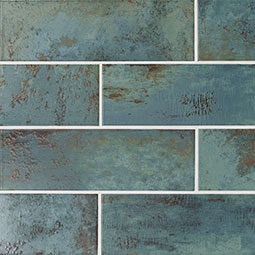
Marza Aqua Mosaic Tile
aqua
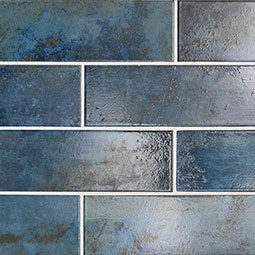
Marza Cobalt Mosaic Tile
cobalt blue
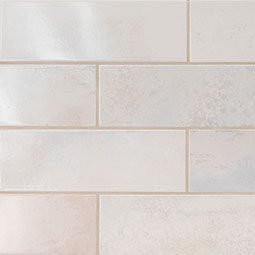
Marza Pearl Mosaic Tile
pearl
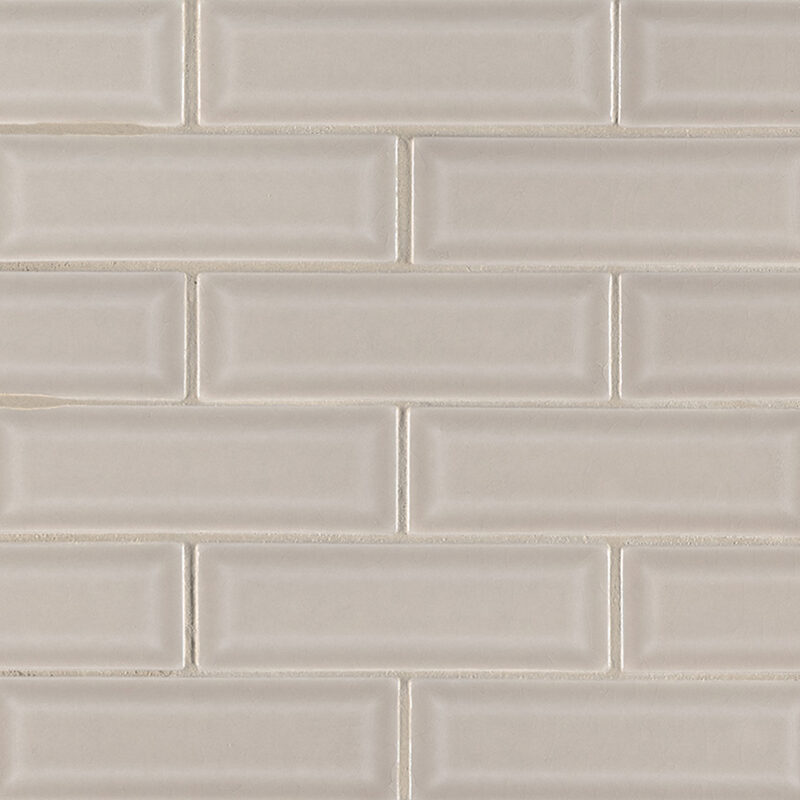
Portico Pearl 2x6 Beveled Mosaic Tile
pearl
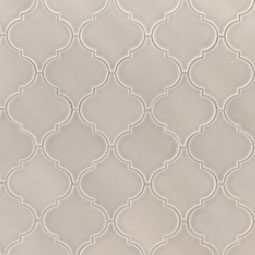
Portico Pearl Arabesque 8mm Mosaic Tile
pearl
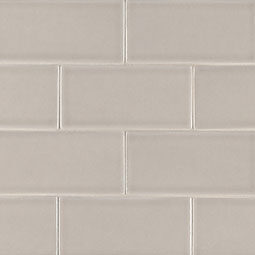
Portico Pearl Subway Tile 3x6 Mosaic Tile
pearl

Renzo Denim 3x12 Bullnose Tile
denim blue

Renzo Denim Wall Tile
denim blue
Renzo Dove 0.6x12 Quarter Round Tile
dove gray

Renzo Dove 3x12 Wall Tile
dove gray
Renzo Jade 3x12 Bullnose Tile
jade green

Renzo Jade 3x12 Wall Tile
jade green
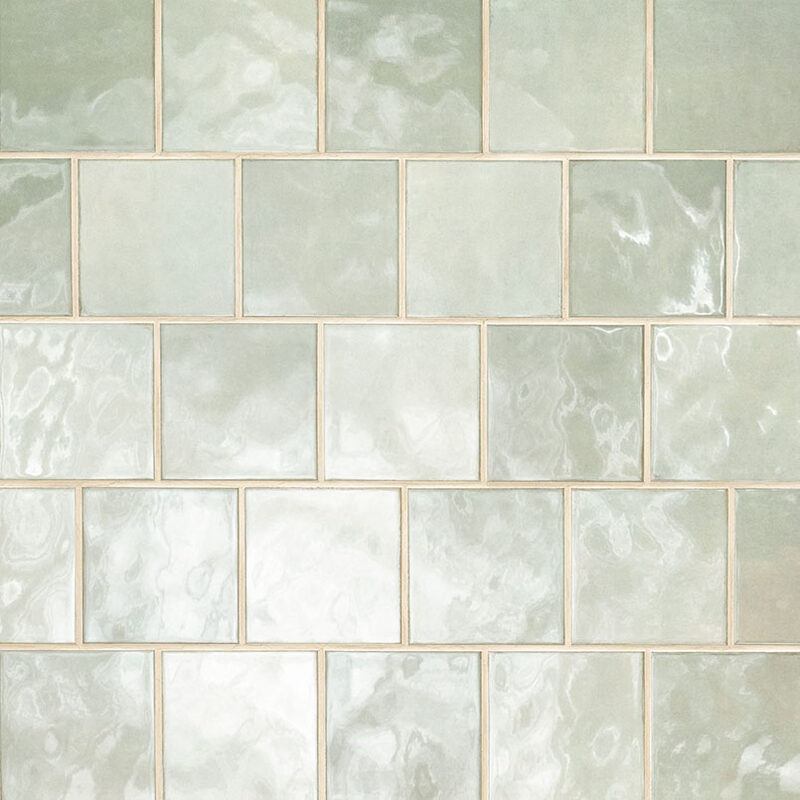
Renzo Jade 5x5 Wall Tile
jade green
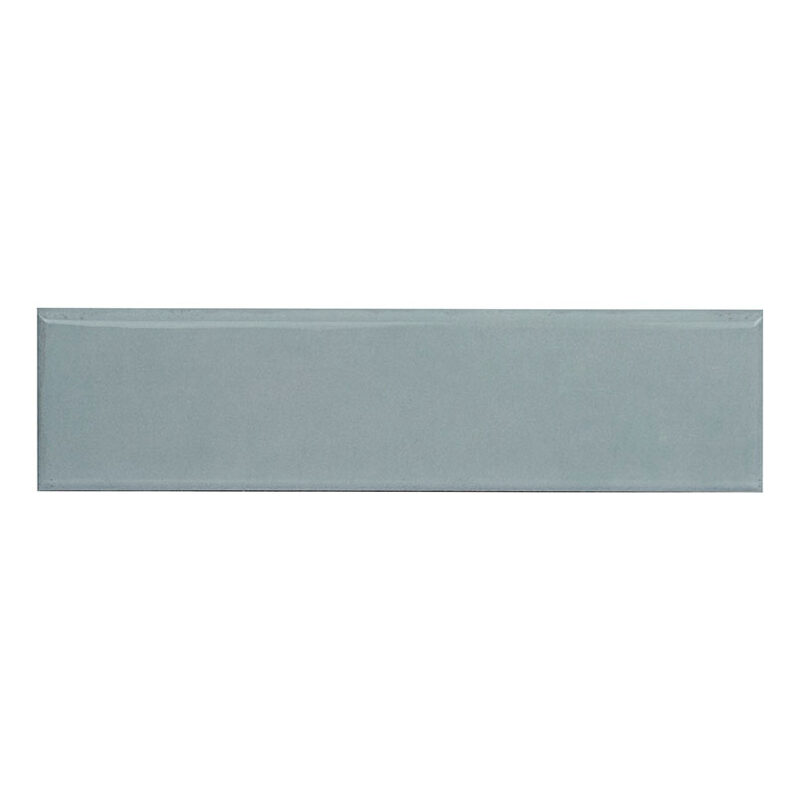
Renzo Sky 3x12 Bullnose Tile
sky blue
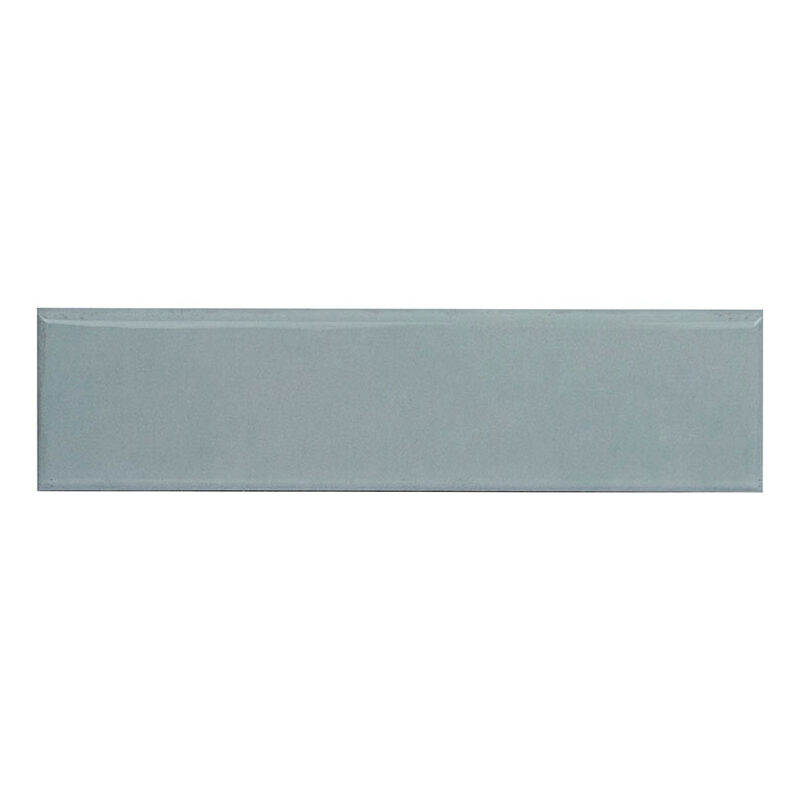
Renzo Sky 3x12 Wall Tile
sky blue
Renzo Sky 5x5 Wall Tile
sky blue
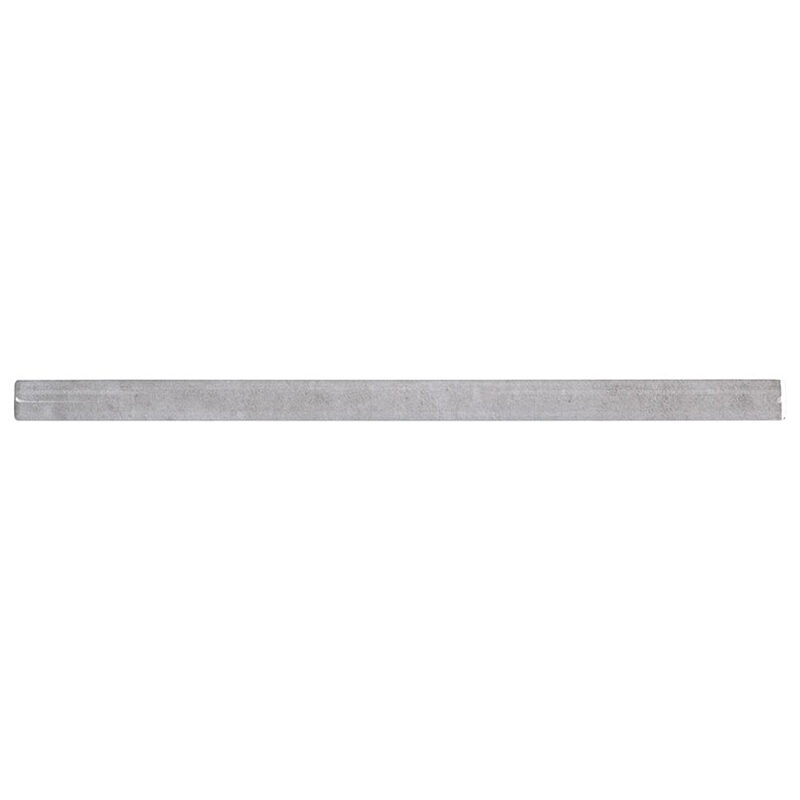
Renzo Sterling 0.6x12 Quarter Round Tile
sterling gray

Renzo Sterling 3x12 Bullnose Tile
sterling gray
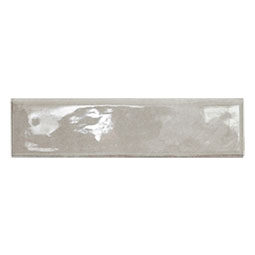
Renzo Sterling 3x12 Wall Tile
sterling gray
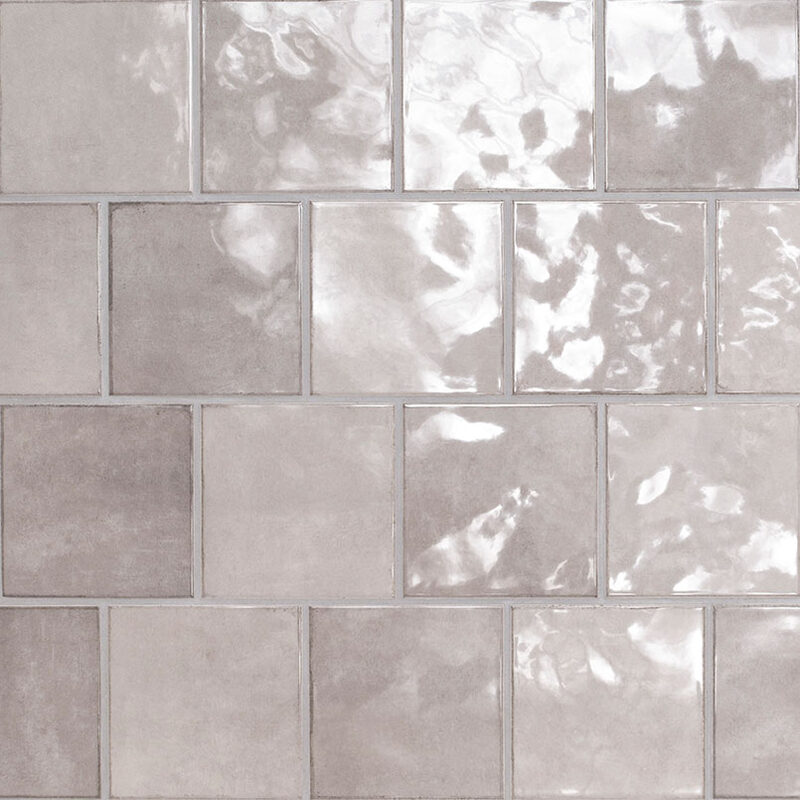
Renzo Sterling 5x5 Wall Tile
sterling gray
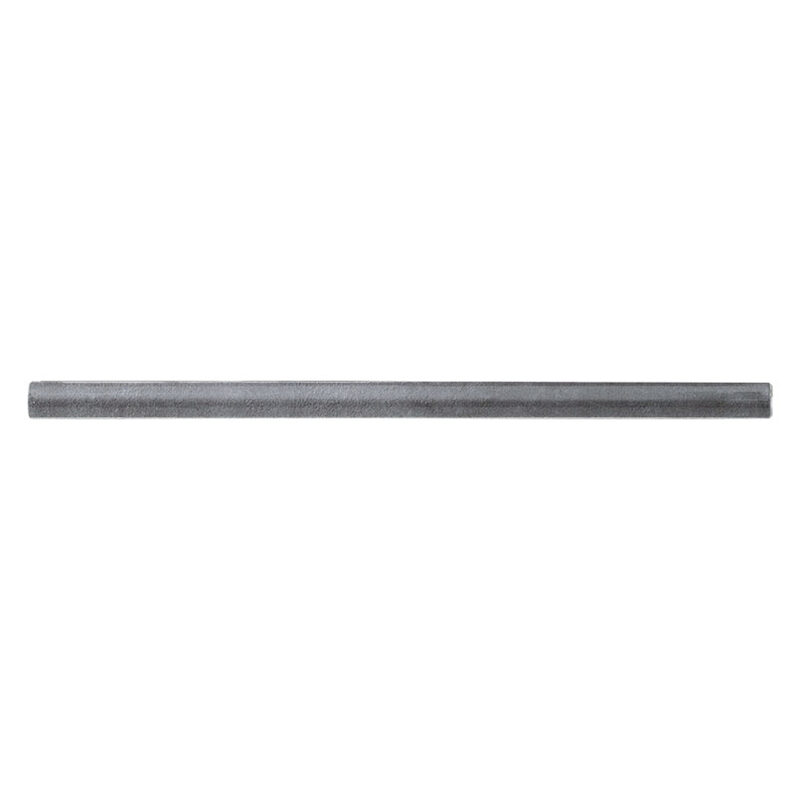
Renzo Storm 0.6x12 Quarter Round Tile
storm gray
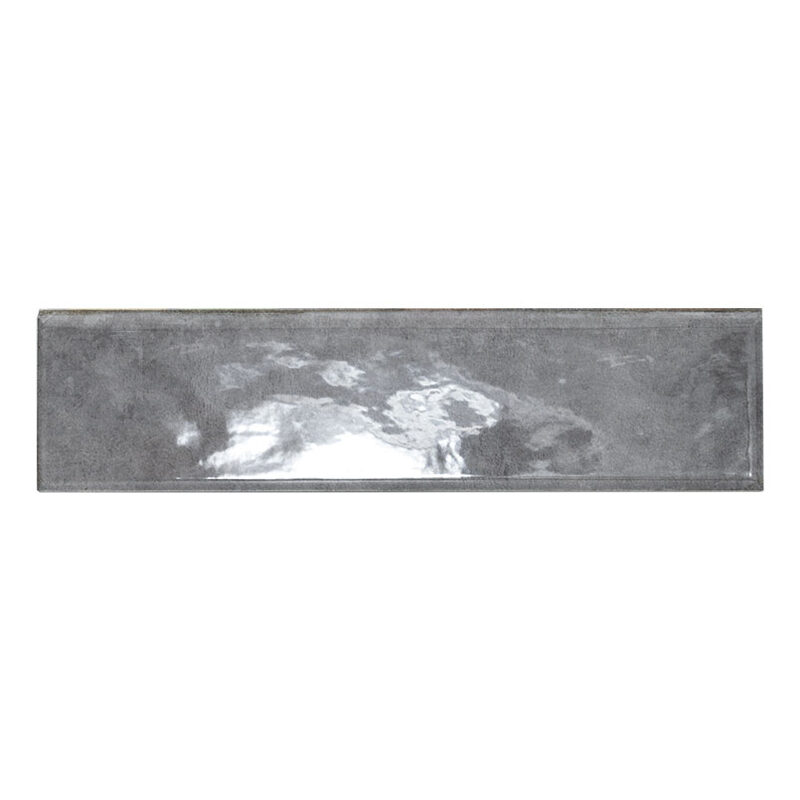
Renzo Storm 3x12 Bullnose Tile
storm gray

Renzo Storm 3x12 Wall Tile
storm gray
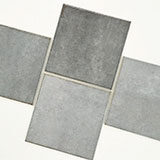
Renzo Storm 5x5 Wall Tile
storm gray
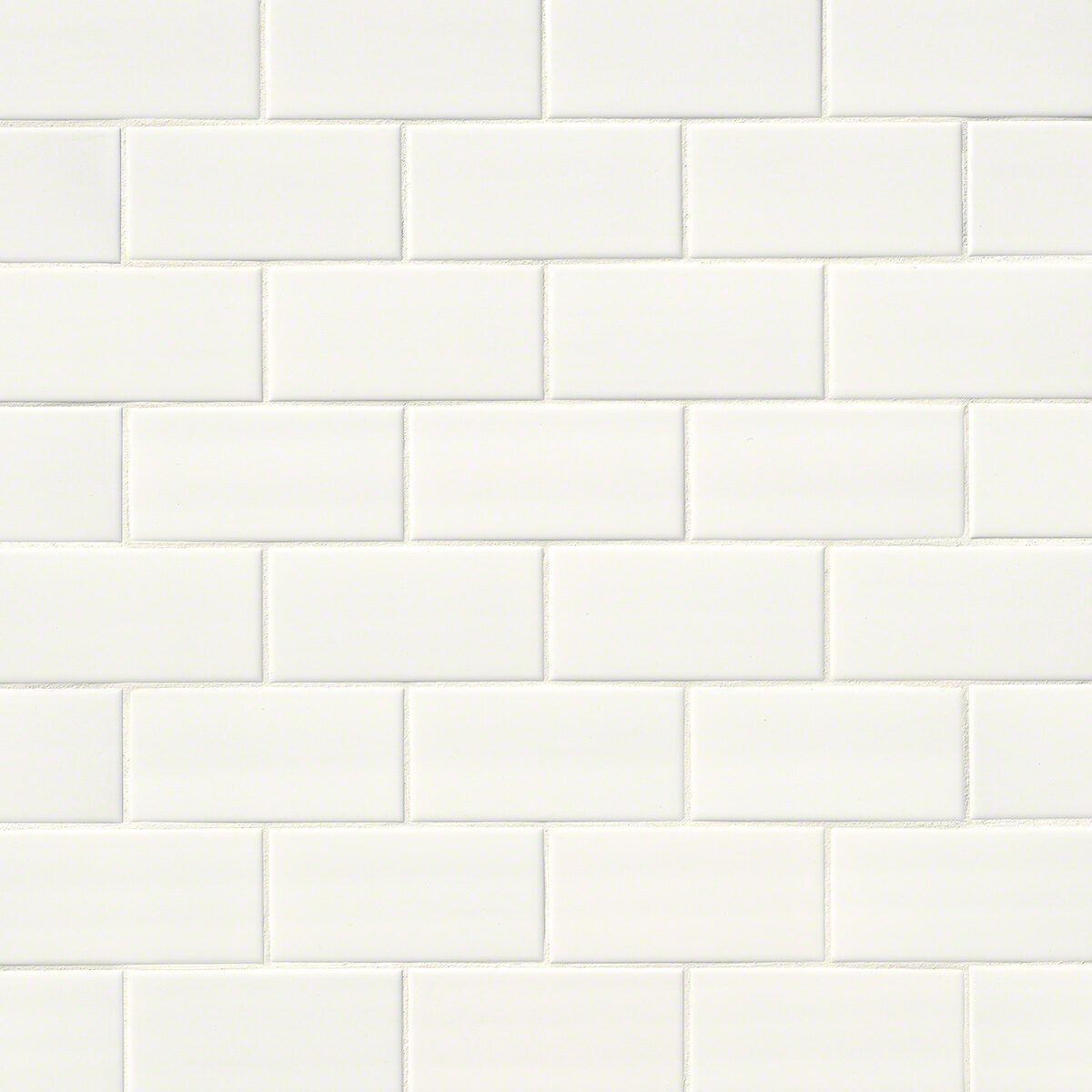
White Subway Tile 3x6
white
White Subway Tile 4x16
white

azula-kaya-polished

azula-linea-polished

bianco-dolomite-lynx-polished

bianco-glossy-ellipse
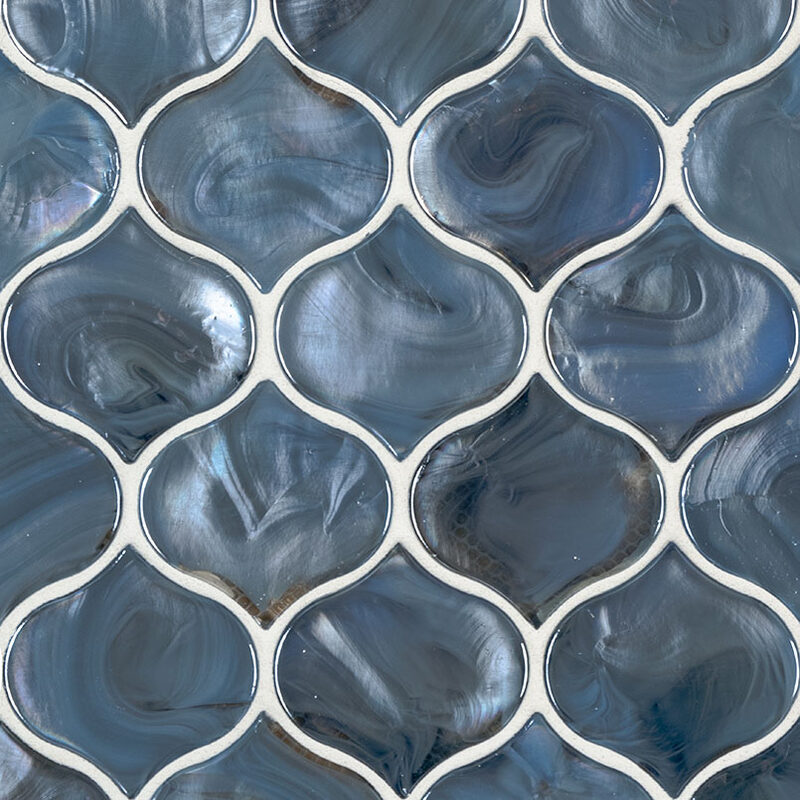
blue-shimmer-arabesque-8mm
blue

blue-shimmer-chevron-6mm
blue
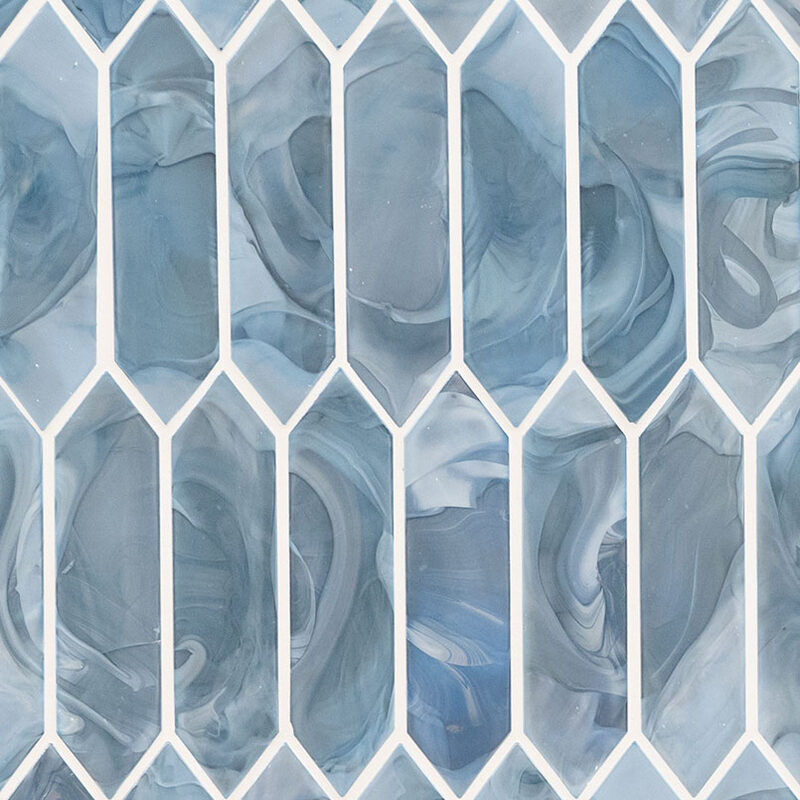
blue-shimmer-picket-6mm
blue

boathouse-blue-picket-8mm
blue

briar-rosa-pennyround
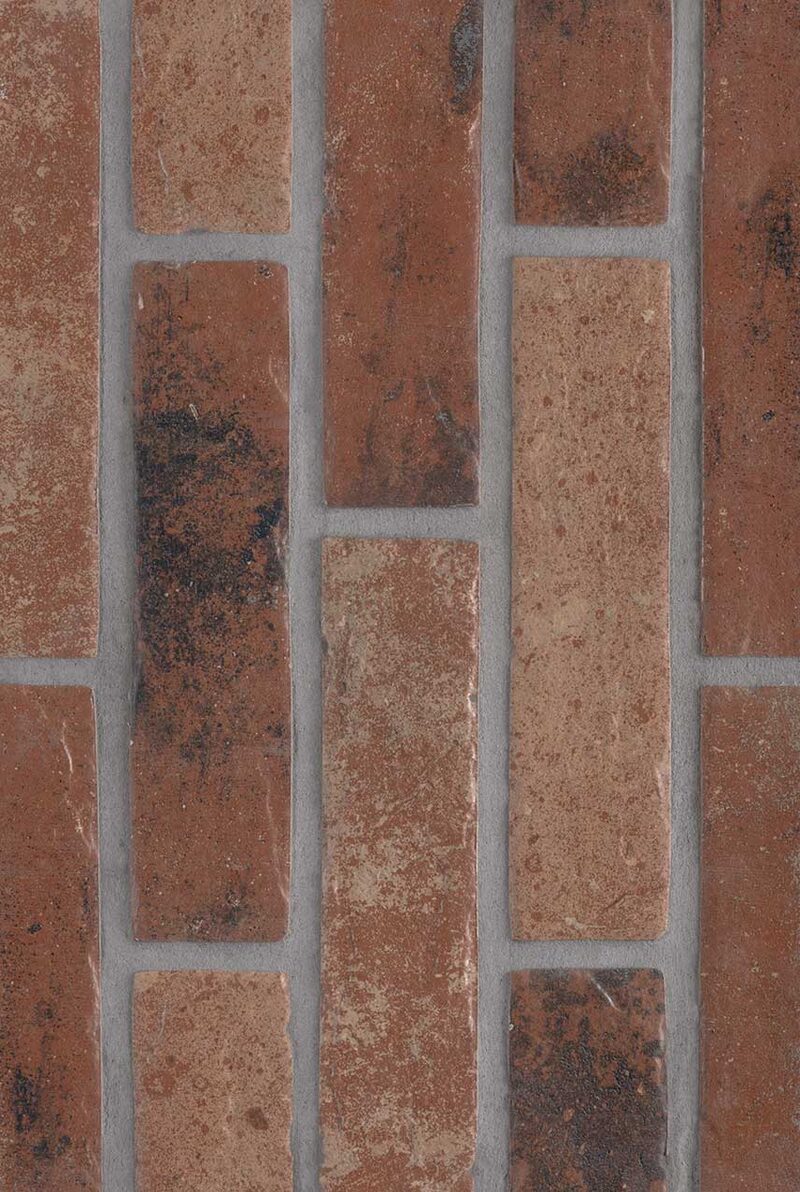
brickstone-red-matte
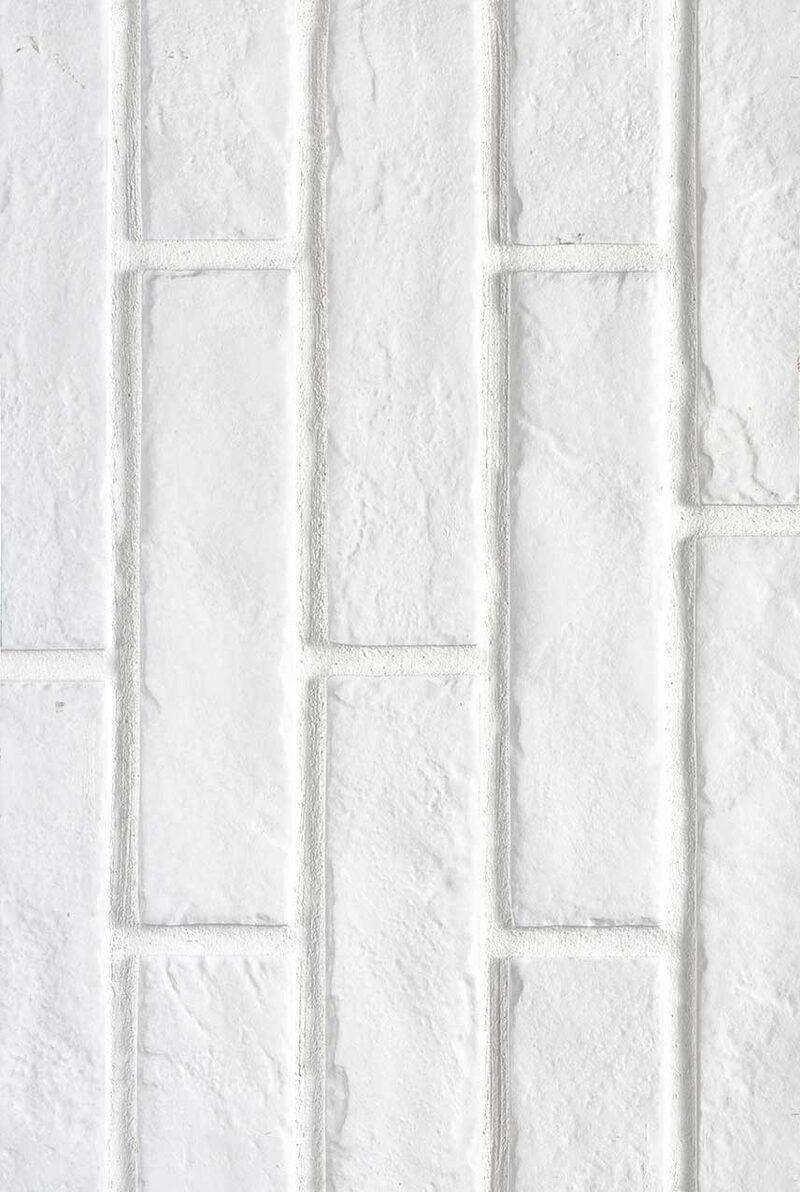
brickstone-white-matte
white
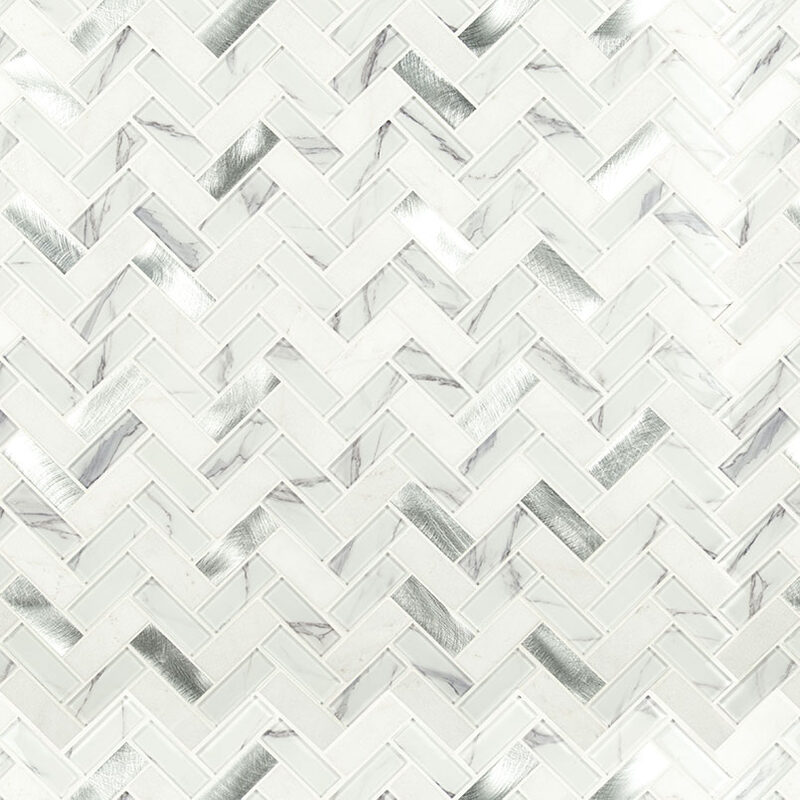
bytle-bianco-herringbone-6mm
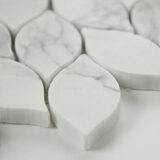
calacatta-blanco-pattern-polished
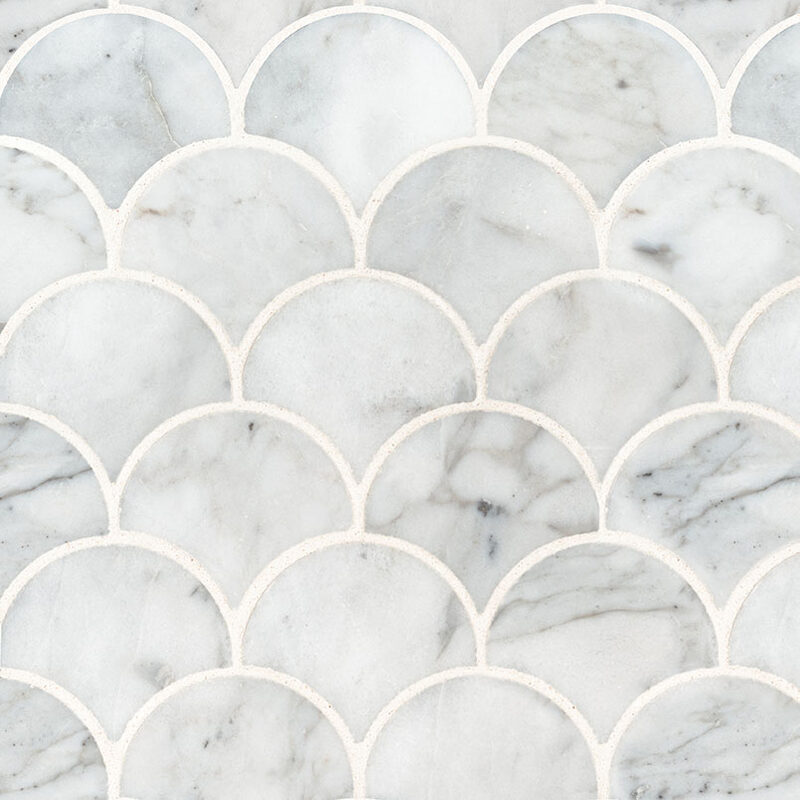
calacatta-blanco-scallop-polished
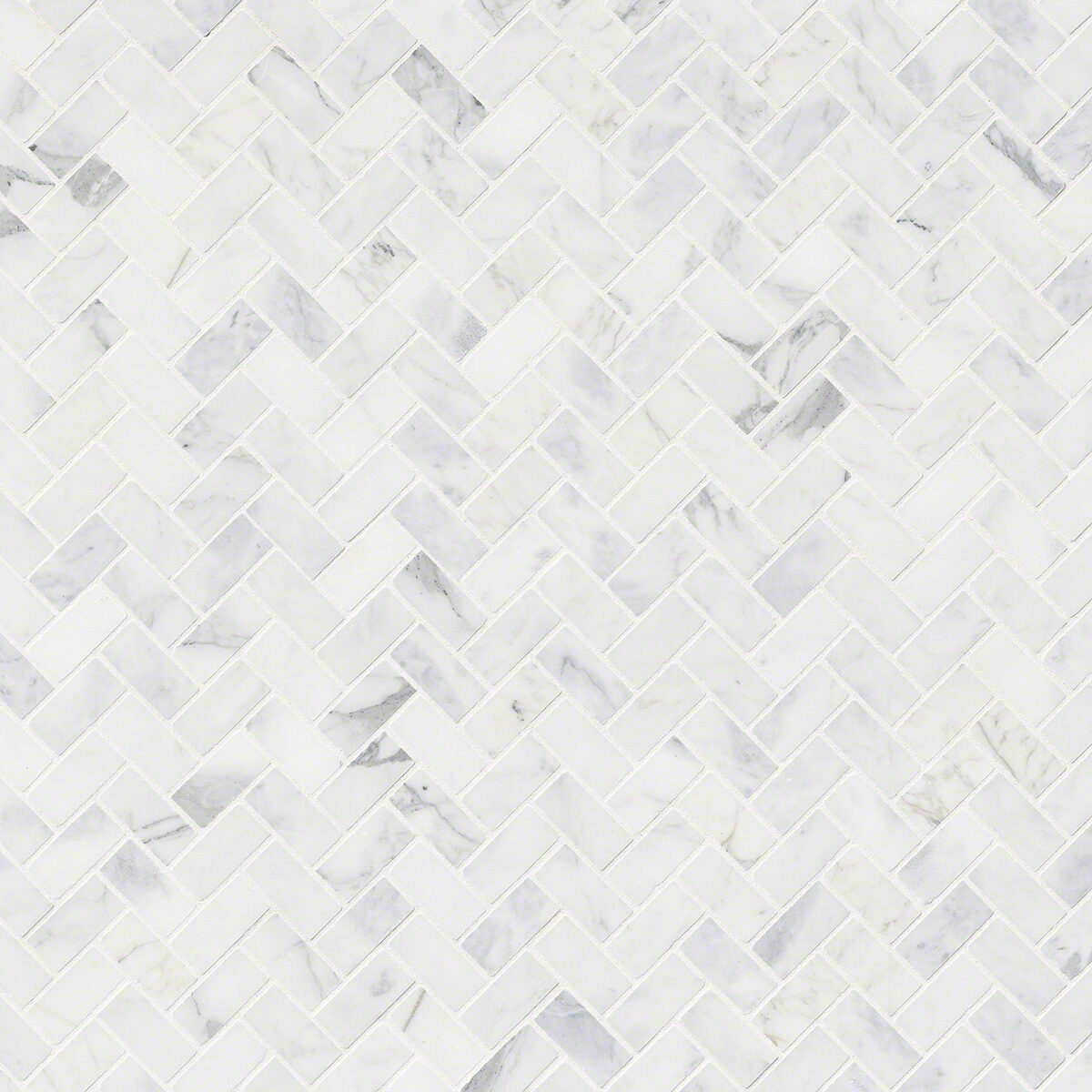
calacatta-cressa-herringbone-honed
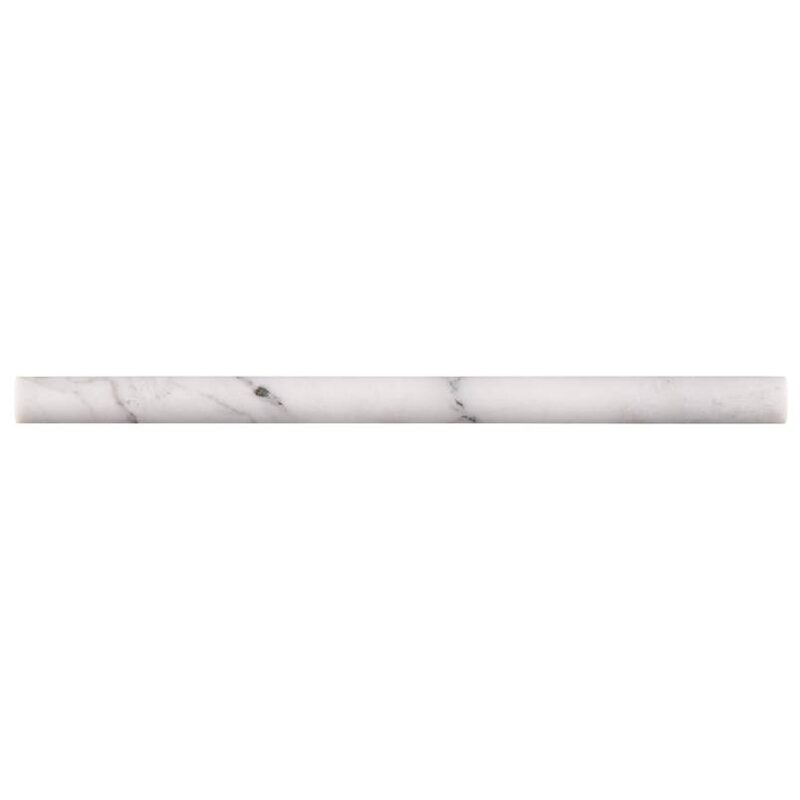
calacatta-cressa-pencil-molding-honed

calacatta-gold-matte-1x3-herringbone
gold

calacatta-gold-matte-1x6-stack-pattern
gold

carrara-matte-2-hexagon

cecily-lilac-polished
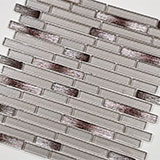
champagne-blend-interlocking-6mm
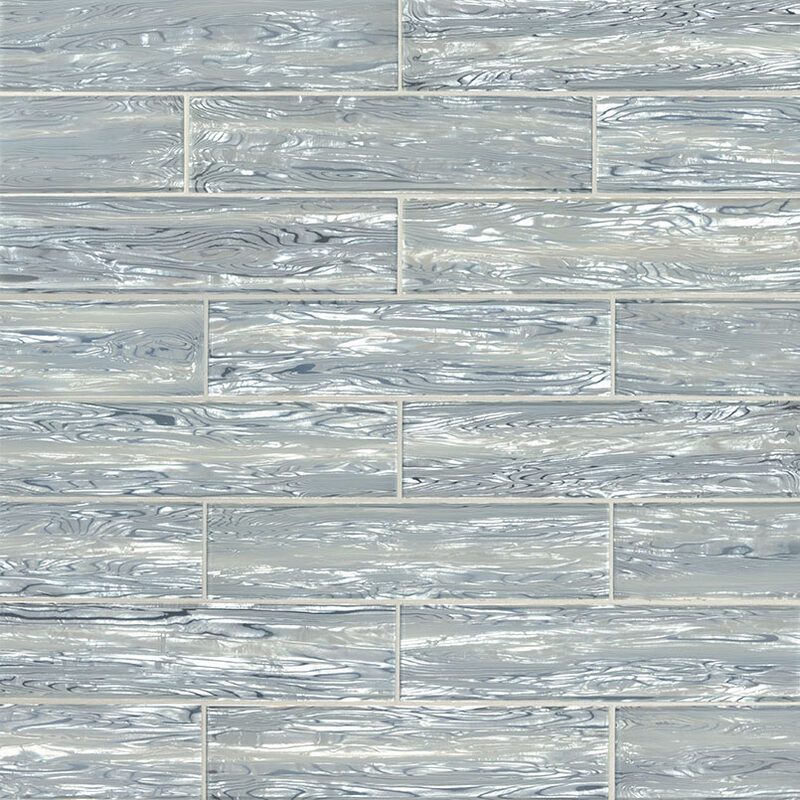
chilcott-treasure-3x12x8mm

elegante-pinwheel-gold
gold

firenze-blend-3x3-polished
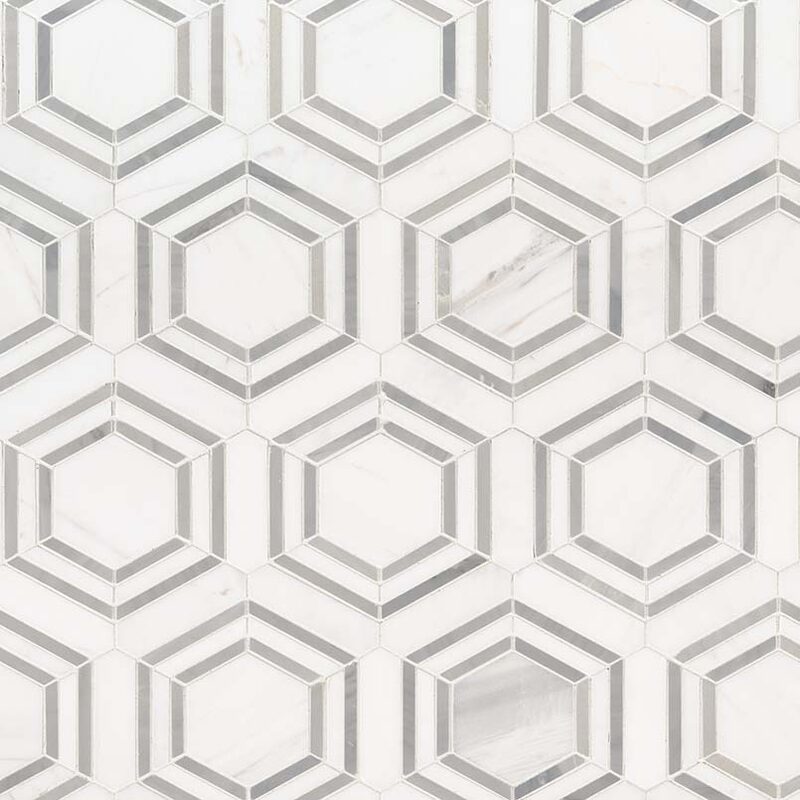
georama-grigio-polished
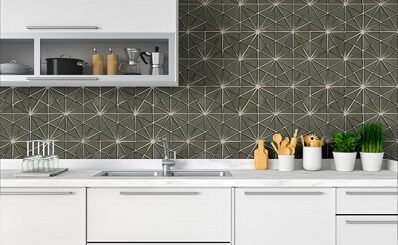
glass-tile
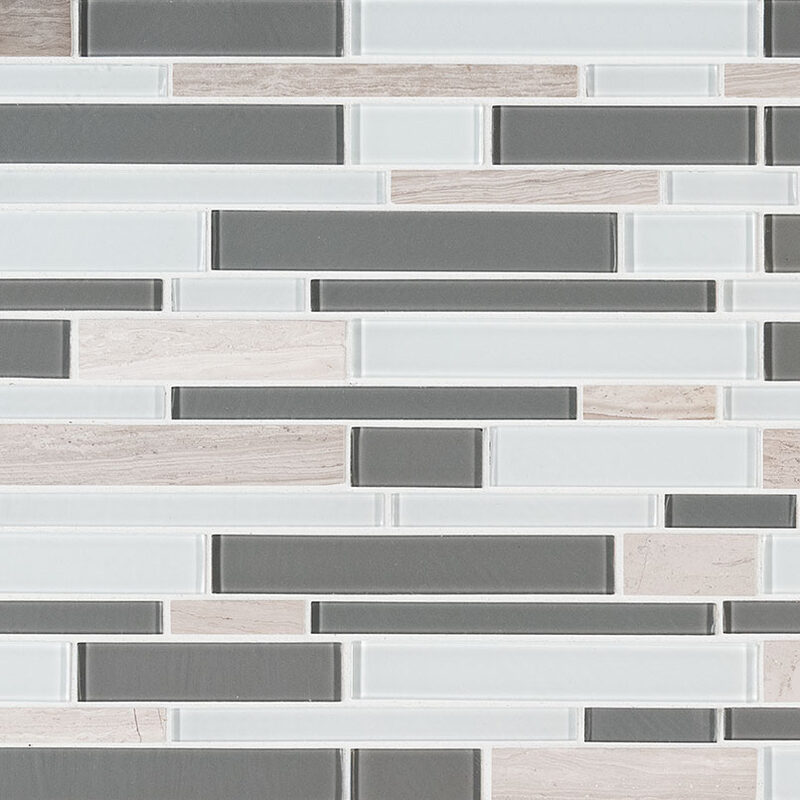
gray-cliff-interlocking-4mm
gray
haiku-sapphire-beveled-subway-2x6x8mm
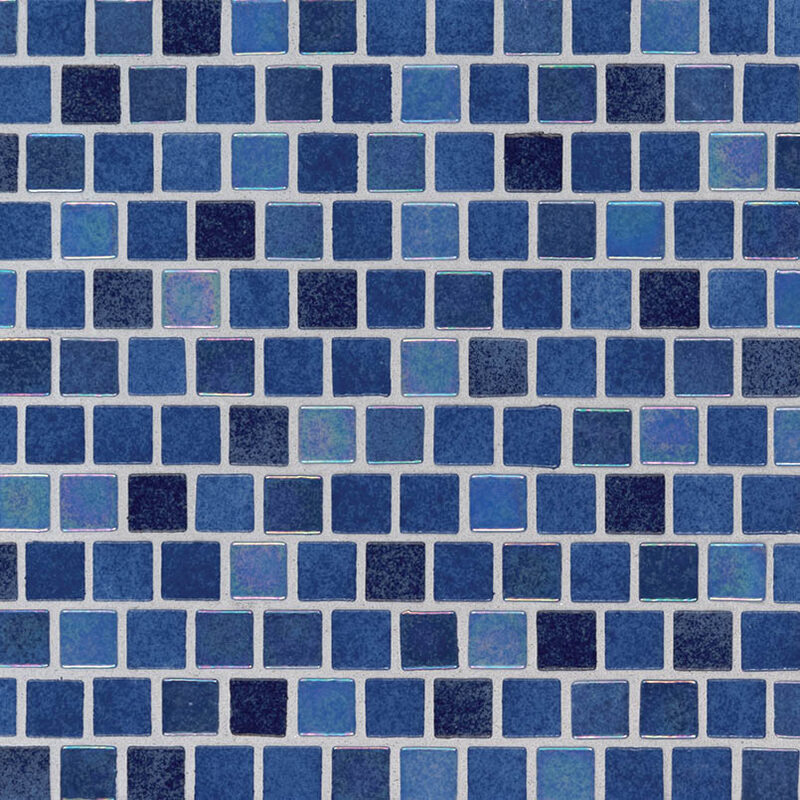
hawaiian-blue-1x1x4mm-staggered
blue
hawaiian-sky-1x1x4mm-staggered

henley-pebble-tumbled

ice-bevel-herringbone-8mm
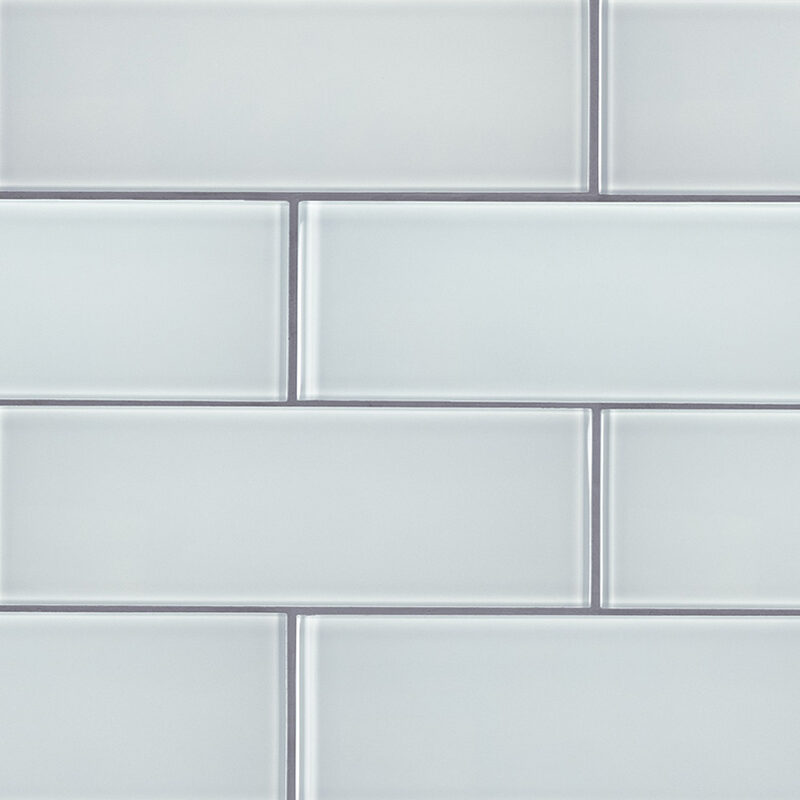
ice-glass-3x9x8mm
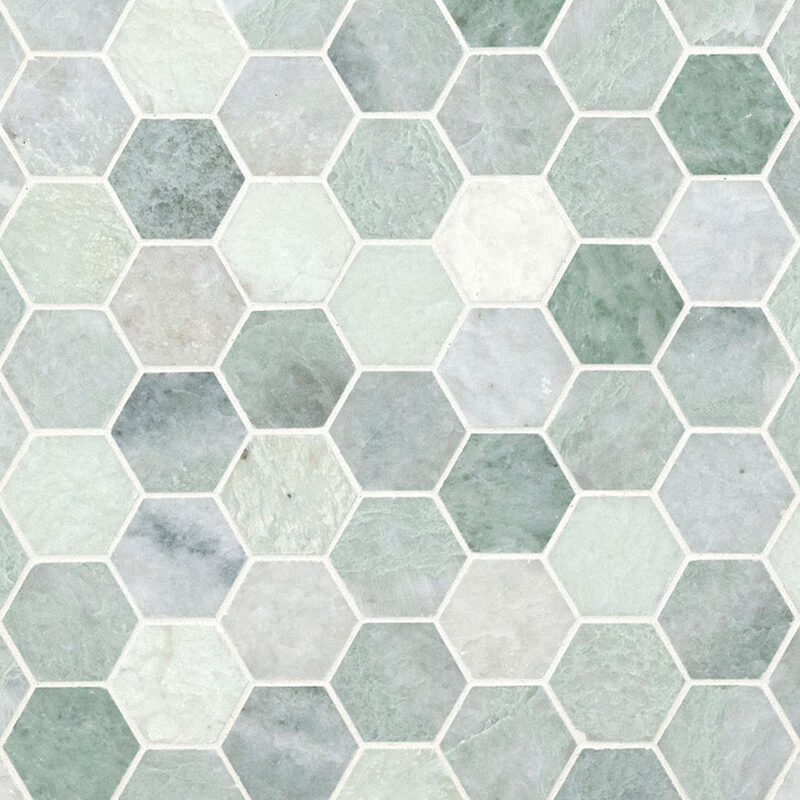
icelandic-green-2-hexagon-polished
green
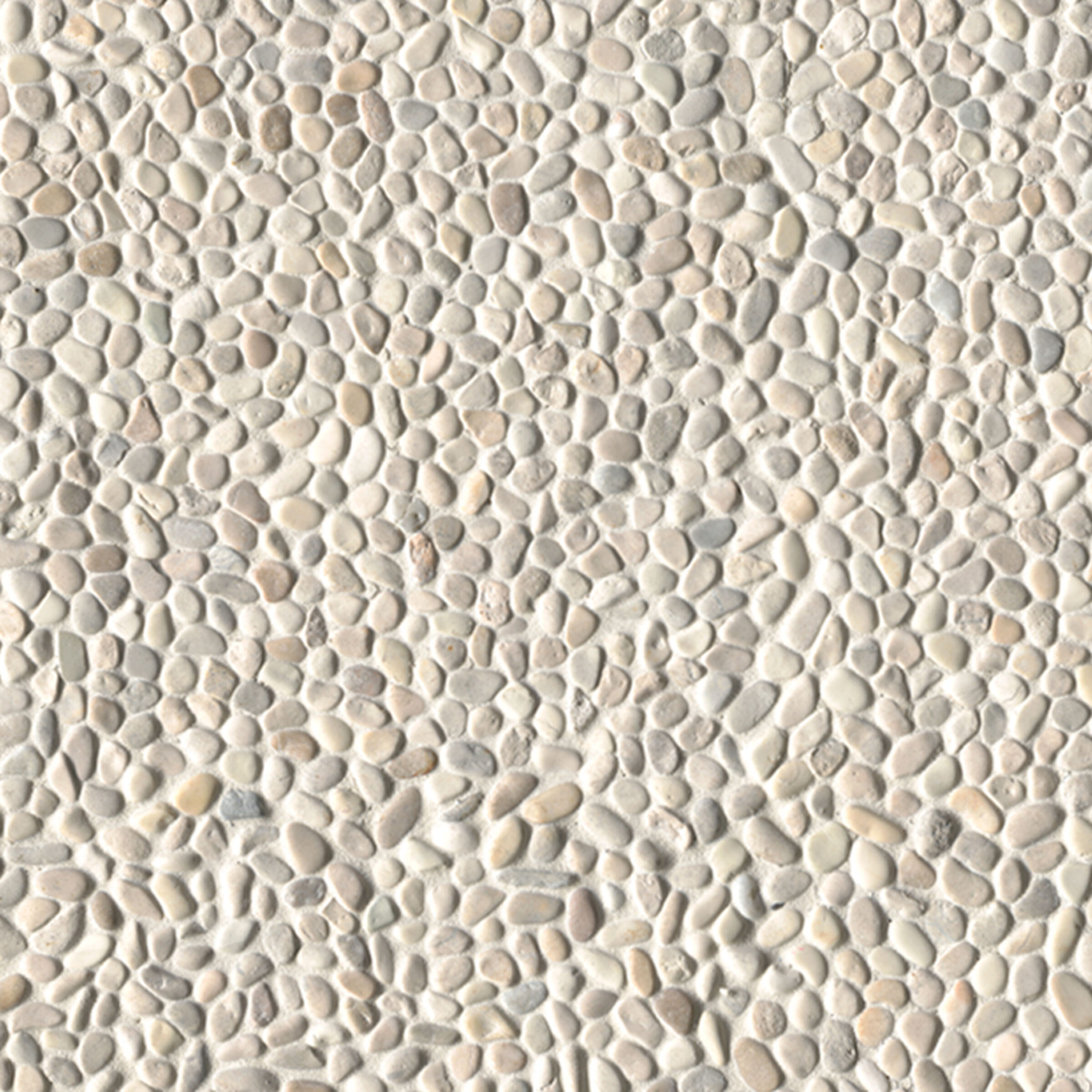
ivory-white-mini-pebble-tumbled
white

lascari-picket-8mm

medici-gold-pattern
gold

medici-silver-pattern
silver
metallic-gray-bevel-subway-8mm
gray
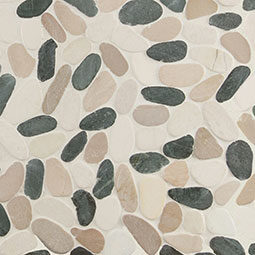
metropolitan-pebble
tan
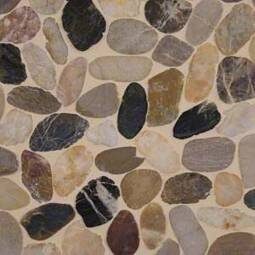
mix-river-pebbles
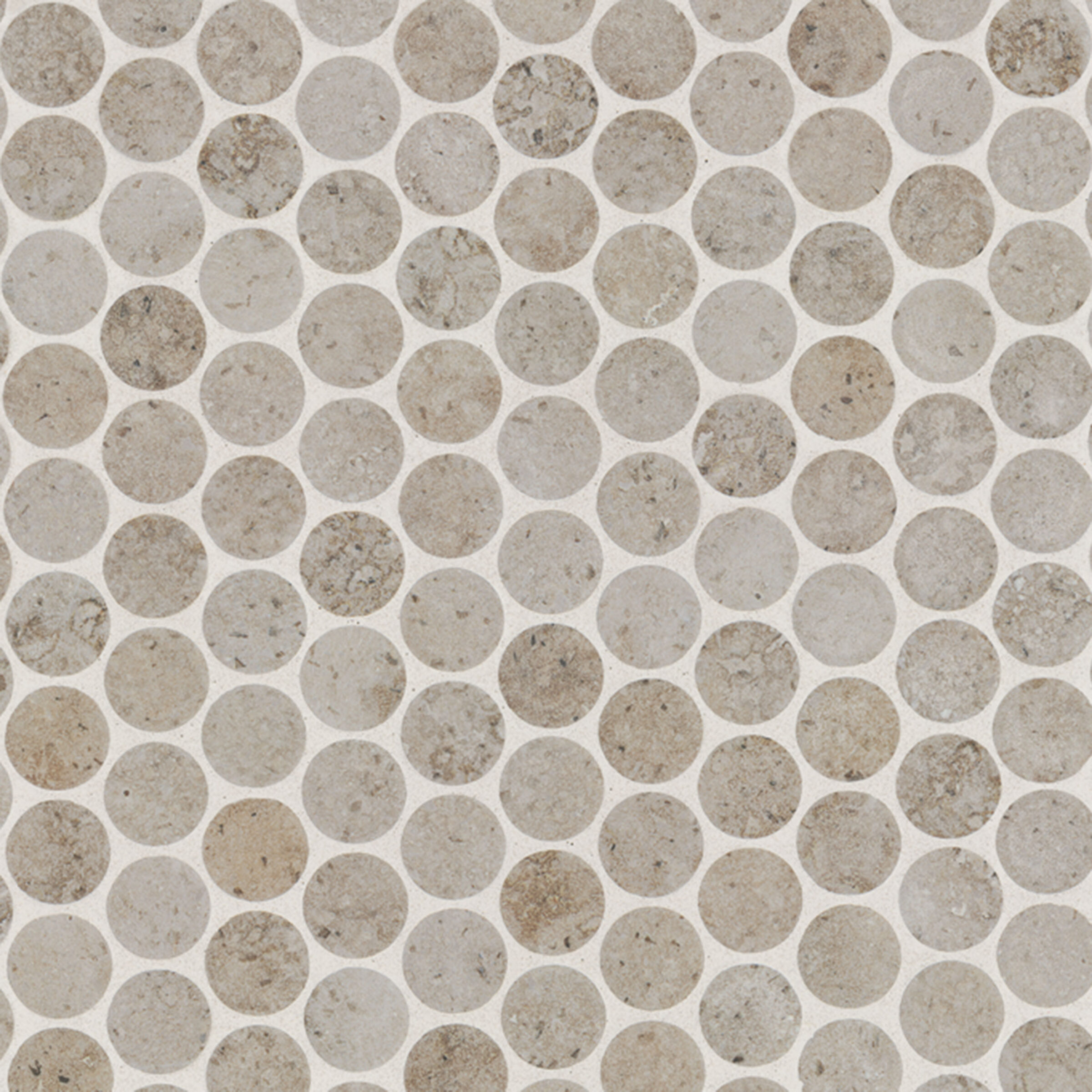
myrtle-sands-round-matte
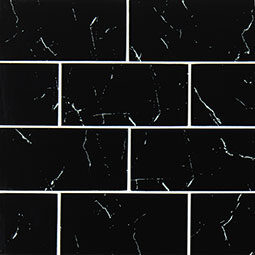
nero-marquina-glass-3x6x8mm

noir-ash-mini-pebble-tumbled

ocotillo-blend-interlocking-4mm
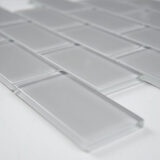
oyster-gray-subway-2x4x8mm
gray
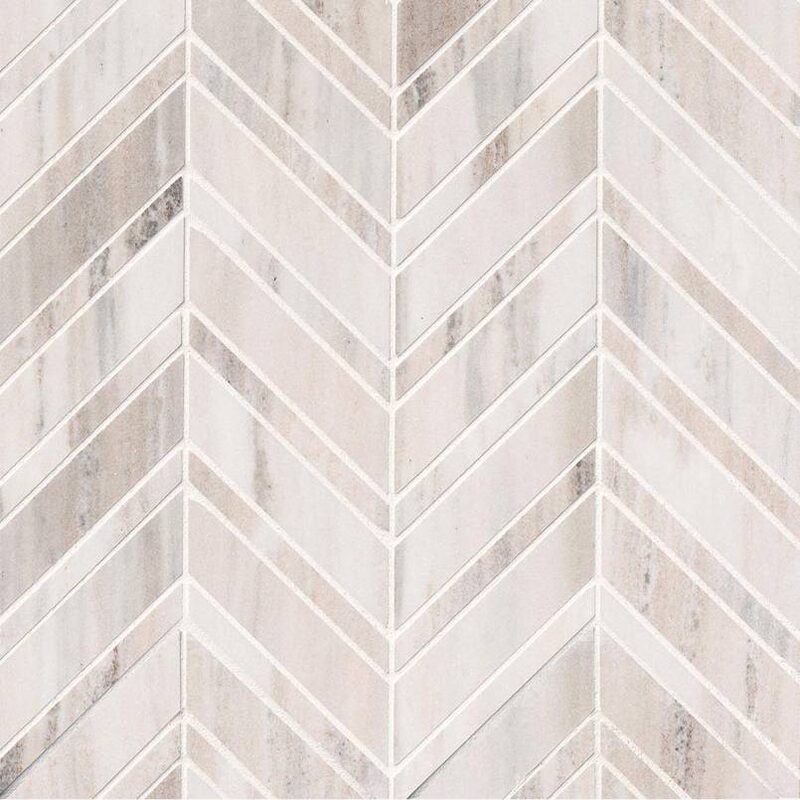
palisandro-chevron-polished
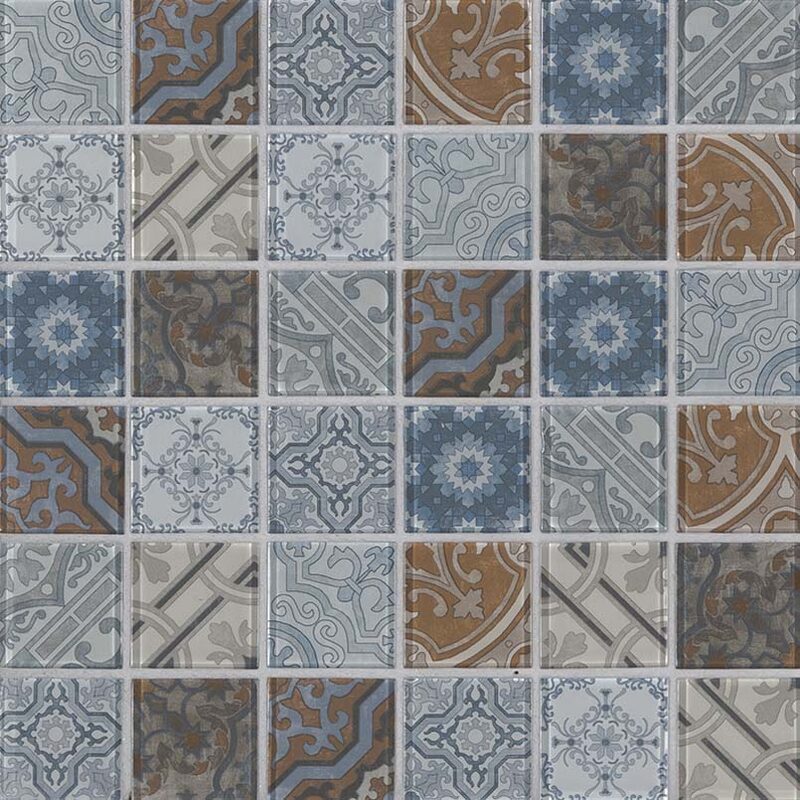
pasadena-2x2x6mm

pearla-arabesque-8mm

penny-round-azul-glossy
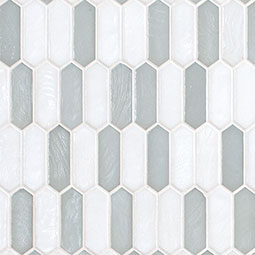
pixie-cloud-6mm
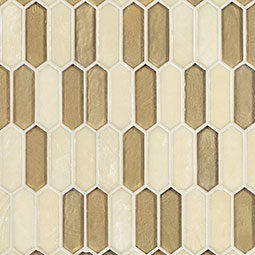
pixie-gold-6mm
gold
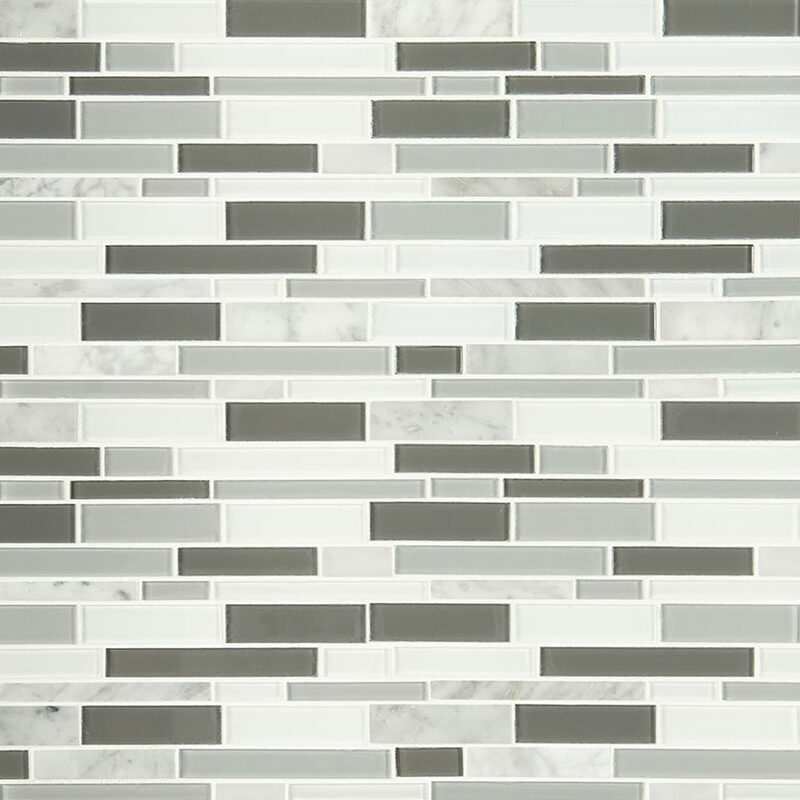
positano-interlocking-6mm
tan
puebla-greige-pebble
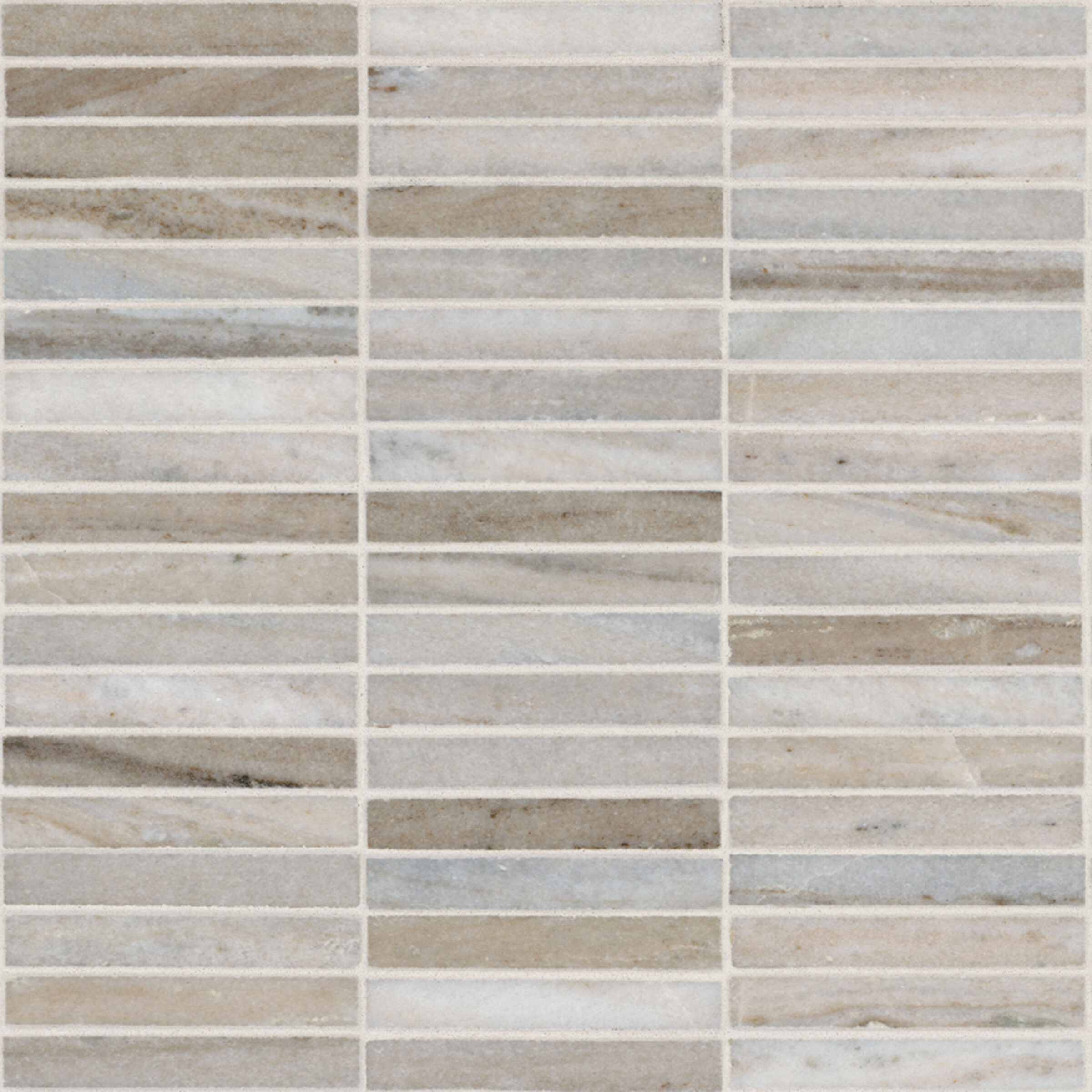
ravello-mini-stack-polished

rhombix-nero-polished
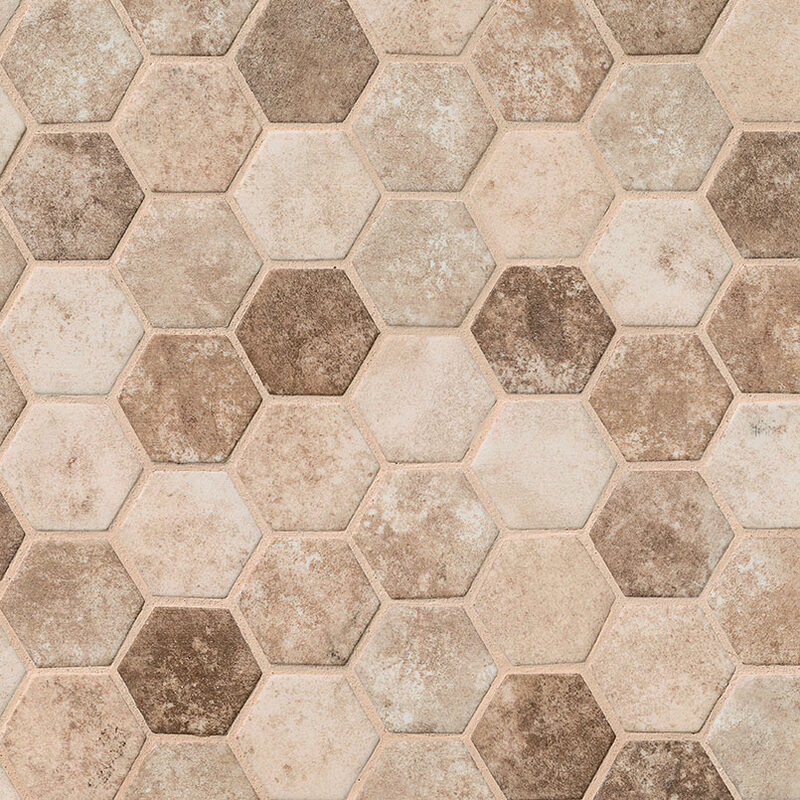
sandhills-hexagon-6mm

sandhills-interlocking-6mm
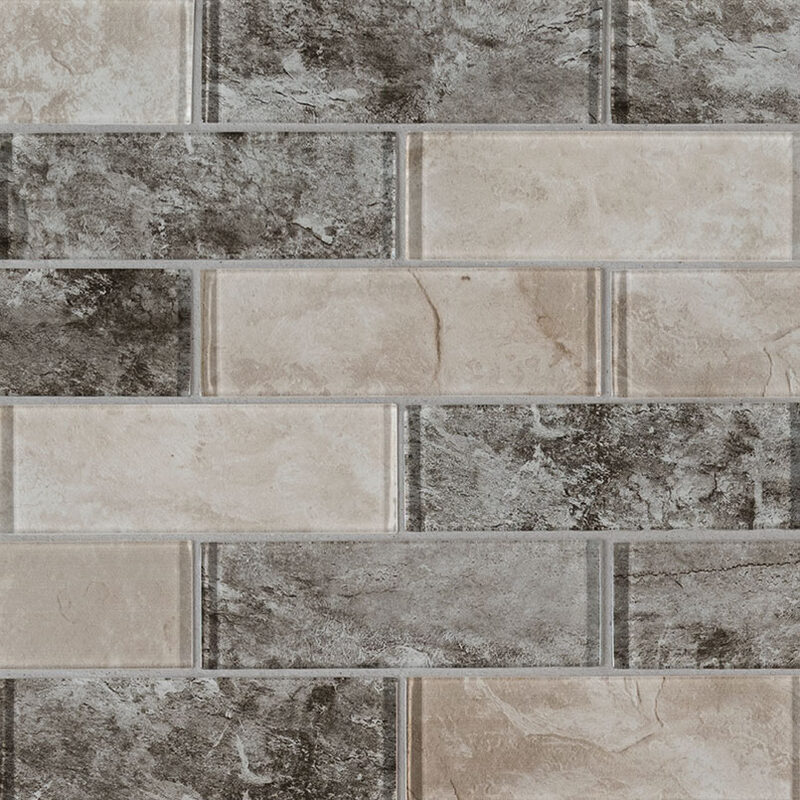
savoy-2x6-subway
silver-travertine-subway-tile
silver
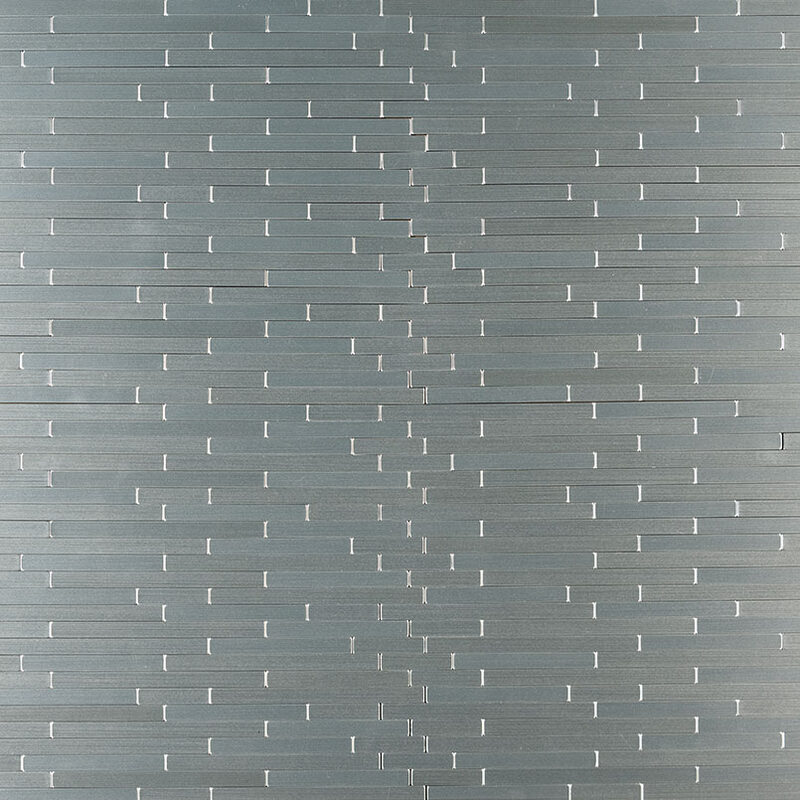
silverina-interlocking-5mm
silver
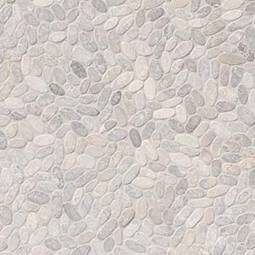
sliced-pebble-ash-tumbled
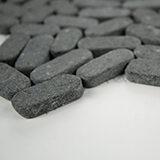
sliced-pebble-coal-tumbled
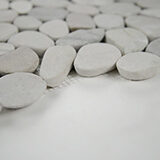
sliced-pebble-truffle

sliced-rainforest-pebble

subway-tile
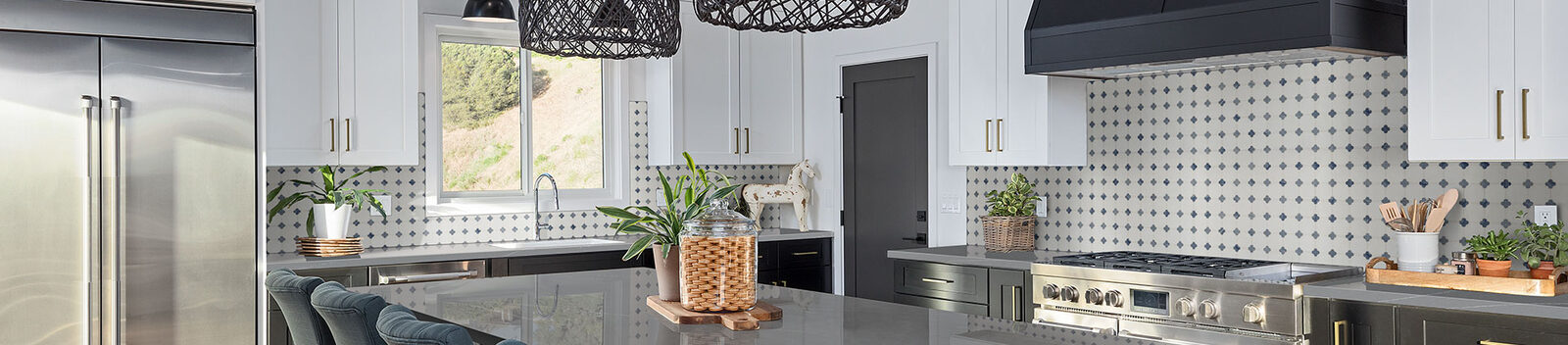
waterjet-cut-mosaics
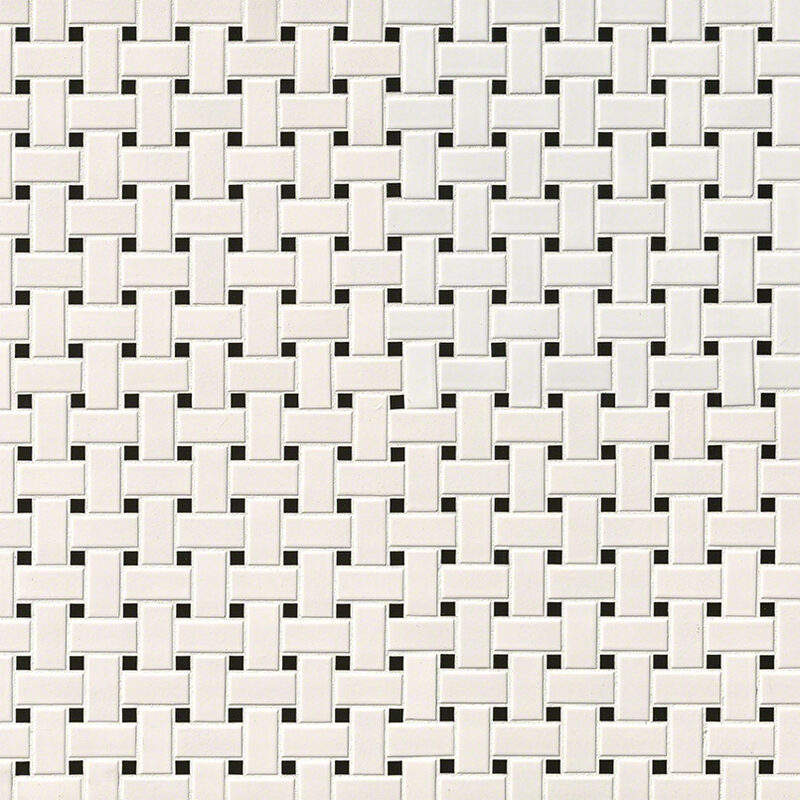
white-and-black-matte-basket-weave-mosaic
white
white-glossy-2x2-hexagon-mosaic
white
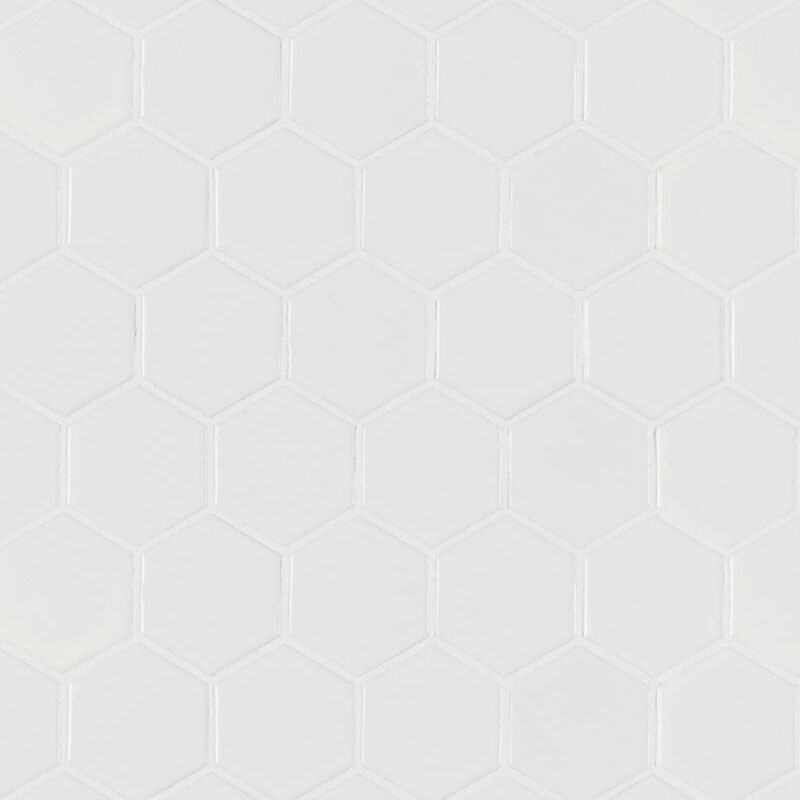
white-matte-2x2-hexagon-mosaic
white
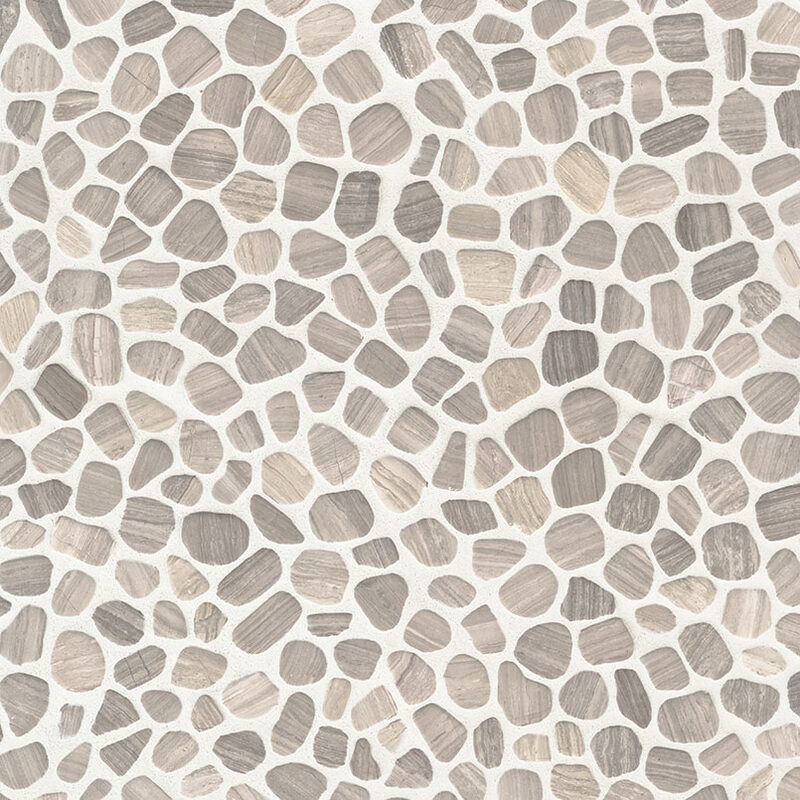
white-oak-pebbles
white
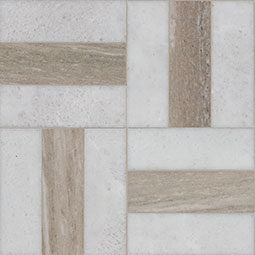
winslow-weave-polished
How to choose backsplash tile
Design rules that hold up after the showroom lighting is gone.
60-30-10 color proportions
Split the kitchen roughly 60% dominant color (perimeter cabinets and walls), 30% secondary (countertops, backsplash, island, or floor), and 10% accent (hardware, faucet, lighting, stools). Treat it as a visual guideline, not a tape-measure spec.
Why: Proportion enforces hierarchy — one lead, one supporting act, one spark — so bold choices read intentional instead of chaotic.
CRI 90+ wherever finishes matter
Buy CRI 90 or higher for every kitchen fixture that lights stone, tile, or painted cabinets - and 95+ if you are particular about color. Treat CRI 80 as a floor for closets, not kitchens.
Why: Low-CRI bulbs wash colors out and can push a green cast into grays and whites, making an expensive slab or a carefully chosen cabinet color look cheap after dark. CRI is printed on the box and the upcharge is small.
Sink mount vs countertop material
Pair undermount and apron-front sinks with solid surfaces - granite, quartz, quartzite, or solid surface. On laminate or tile countertops, default to a drop-in sink: the exposed core at an undermount cutout has no finished edge and wicks water.
Why: Undermount rims clamp and bond to the underside of the slab; laminate substrates (particleboard/MDF) swell when the unsealed cutout edge stays wet. Industry consensus across fabricator guidance; no single citation.
Backsplash coordination
Coordinate the backsplash with the cabinets and walls it touches, not with the countertop strip below it.
Why: The backsplash lives on the vertical plane with cabinetry and paint; tying it to the counter locks in a permanent wall color and creates awkward transitions.
Backsplash tile scale
Scale tile to the room: 2x6, 2x8, and 3x6 formats suit compact kitchens, or go the other way with one large-format/slab splash that nearly eliminates grout lines. Avoid busy mid-size pattern on every wall.
Why: Oversized tile dominates short wall runs and telegraphs every cut around windows and outlets; dense grout joints add visual noise and cleaning. Both small-format and seamless strategies work — the muddled middle does not.
Detecting undertones by comparison
Never judge an undertone from a single chip. Compare the candidate against a near-true white and against the finishes that are staying (counter, floor, tile), using large samples.
Why: Undertones are relative — Alabaster looks white alone and creamy beside Chantilly Lace; comparison is the only reliable detector, and adjacent finishes can pull unexpected undertones out of a "neutral."
Diffusers over bare diodes on polished stone
Over polished quartz, granite, or gloss tile, choose fixtures with frosted lenses or diffuser channels; avoid bare-diode tape and clear-lens fixtures in the sightline of the counter.
Why: A polished surface is a mirror: every exposed diode reflects as a row of bright dots in the stone. Diffused fixtures reflect as a soft band instead. Honed and leathered finishes hide fixture reflections far better than polished if glare is a concern.
Flat gray-on-gray schemes
Avoid pairing a flat gray cabinet with an equally flat gray counter when there is no undertone tension or texture contrast between them.
Why: With no warm/cool tension the room goes dishwater the moment daylight drops; it is the signature look of mid-2010s flip houses.
Materials compared
8 materials, rated on the six things that actually go wrong.
| Material | Price tier | Care | Heat | Scratch | Stain | Etch | Impact | Moisture |
|---|---|---|---|---|---|---|---|---|
| Ceramic tile | Budget | Low | 5/5 | 4/5 | 4/5 | — | 3/5 | 3/5 |
| Porcelain tile | Mid | Low | 5/5 | 5/5 | 5/5 | — | 4/5 | 5/5 |
| Glass tile | Mid | Medium | 4/5 | 3/5 | 5/5 | — | 2/5 | 5/5 |
| Marble tile | Premium | High | 4/5 | 2/5 | 2/5 | — | 3/5 | 3/5 |
| Travertine tile | Mid | High | 4/5 | 2/5 | 2/5 | — | 3/5 | 2/5 |
| Mosaic tile | Mid | Medium | 4/5 | 3/5 | 2/5 | — | 3/5 | 3/5 |
| Zellige tile | Premium | Low | — | — | — | — | — | — |
| Quartz slab | Luxury | Low | — | — | — | — | — | — |
Durability 1–5, higher is better. Independent ratings — em dash means no published rating for that pairing.
The honest trade-offs
- Ceramic tile — Least expensive mainstream backsplash (roughly $12-30/sqft installed); huge range of colors, shapes, and trim; glaze wipes clean; easy to cut, so it is the most DIY-friendly tile; handles kitchen heat and steam without trouble. Trade-off: Glaze can chip at edges and the clay body beneath shows; color and size vary by dye lot, so matching later is hard (buy 10-15% extra); unglazed edges need bullnose or metal trim to look finished.
- Porcelain tile — Harder and denser than ceramic; face is effectively stain- and moisture-proof; convincing marble, concrete, and brick looks at a fraction of natural-stone upkeep; large-format panels can fake a slab backsplash with few joints. Trade-off: Harder to cut cleanly - needs a wet saw with a porcelain blade, so less DIY-friendly; costs a bit more than ceramic; big panels demand very flat walls and experienced setters.
- Glass tile — Absorbs no water and cannot stain; reflects light, which visibly brightens small or dark kitchens (common in older Midwest housing stock); many recycled-content lines; color goes all the way through many products. Trade-off: Shows smudges, grease film, and water spots more than matte surfaces; edges chip if abused; cut edges are conspicuous and adhesive can telegraph through translucent tile, so bright-white thinset and a careful pro install matter; scratches cannot be polished out easily.
- Marble tile — Real stone veining no print fully matches; classic look that suits traditional and high-end kitchens; tile format costs far less than a marble slab; a backsplash sees far less abuse than a marble counter, so it is a lower-risk place to use it. Trade-off: Porous - needs sealing 1-3x per year (more behind the range), and sealing prevents stains but NOT etching; acids like lemon, vinegar, wine, and many cleaners dull the polish on contact; pH-neutral stone cleaners only.
- Travertine tile — Warm, earthy texture that suits rustic, Tuscan, and old-world kitchens; noticeably cheaper than marble for a natural-stone look; tumbled formats hide fingerprints and small chips well. Trade-off: One of the most porous common stones - wants sealing more often than marble; unfilled surface voids collect cooking grease near the range; acid-sensitive like all limestone; its 2000s-era ubiquity reads dated to some buyers unless styled deliberately.
- Mosaic tile — Complex patterns install sheet-by-sheet instead of piece-by-piece; mixes materials and colors for a custom look; small pieces wrap outlets and odd wall shapes with fewer awkward cuts. Trade-off: Far more grout lines to clean - and to seal when the chips are natural stone; sheet seams telegraph if the installer does not stagger and re-space them; stone and glass blends push material cost up quickly.
- Zellige tile — Luminous glaze variation and handmade texture; the signature japandi and English-country tile Trade-off: Deliberate irregularity complicates installation; wider joints; higher cost and lead times
- Quartz slab — No grout lines at all - nothing to scrub or discolor; nonporous, so cooking splatter wipes off; seamless visual continuation from countertop up the wall; best cleaning-to-effort ratio of any backsplash. Trade-off: Roughly $50-120+/sqft installed - usually the most expensive option per square foot; requires professional templating, fabrication, and flat walls (never DIY); resin can scorch under prolonged direct heat behind pro-style ranges; replacing it later means replacing the whole panel.
What it costs
Chicago-market benchmark ranges, dated so you can see how stale they are.
| Line item | Typical range | Unit | As of |
|---|---|---|---|
| GFCI outlet added during backsplash installation | $130–$300 | per project | 2023-11 |
| Ceramic tile backsplash, installed | $12–$30 | per sq ft | 2025-08 |
| Glass tile backsplash, installed | $18–$43 | per sq ft | 2025-08 |
| Kitchen backsplash project, tile (typical 30-40 sqft) | $500–$1,500 | per project | 2025-08 |
| Marble tile backsplash, installed | $30–$150 | per sq ft | 2025-08 |
| Porcelain tile backsplash, installed | $13–$35 | per sq ft | 2025-08 |
| Professional tile backsplash installation, all materials | $30–$75 | per sq ft | 2023-09 |
| Quartz slab backsplash, installed | $50–$120 | per sq ft | 2026-06 |
| Regrout kitchen tile backsplash (professional) | $150–$400 | per project | 2026-07 |
| Remove existing backsplash | $3–$6 | per sq ft | 2023-11 |
| Tile backsplash installed | $15–$40 | per sq ft | 2026-07 |
| Travertine tile backsplash, installed | $13–$40 | per sq ft | 2025-08 |
Benchmarks, not an Ace quote. Ask us for a firm number on your kitchen.
Care, by material
What each surface actually asks of you once it is in.
Ceramic tile
- Degrease tile behind the range (weekly) — Cooking aerosolizes grease that condenses on the backsplash and slowly polymerizes into a yellow varnish. Once a week, wash the splash zone with warm water and dish soap or a diluted degreaser, then rinse. On glazed ceramic and porcelain tile a stronger alkaline degreaser is fine; on natural-stone tile stick to pH-neutral cleaner. Avoid: Letting grease build for months — aged grease film needs harsh chemistry or scraping that grout does not appreciate
- Grout cleaning (monthly) — Scrub grout lines with a paste of baking soda and hydrogen peroxide plus a drop of dish soap, using a soft brush; rinse well. That combination lifts grease and brightens without eating the grout. Work top to bottom and re-rinse so residue does not streak the tile. Avoid: Vinegar and other acids (dissolve cement grout over time, especially unsealed), straight bleach on colored grout (blotches the pigment), metal brushes
- Re-caulk the counter-to-backsplash joint (yearly) — The joint where the backsplash meets the countertop is a movement joint — it must be flexible caulk, not grout. Inspect it yearly: if the bead is cracked, shrunken, or peeling, cut it out and re-run kitchen-and-bath silicone or siliconized acrylic. Same for the joint around a window sill over the sink. Avoid: Grouting a movement joint (it will crack again), caulking over the old failed bead
- Seal cement-based grout (yearly) — Cement grout is porous and drinks grease, coffee, and wine. Apply a penetrating grout sealer to clean, dry grout lines; wipe sealer off the tile faces before it hazes. Frequency honestly varies with exposure: cooking-splash zones behind a range benefit from annual sealing, while a rarely-splashed backsplash wall can go many years. Test by flicking water at the grout — if it beads, you are still protected. Epoxy grout never needs sealing. Avoid: Sealing dirty grout (locks stains in), topical membrane-forming sealers in cooking zones (they peel)
Glass tile
- Glass tile cleaning (as-needed) — Glass tile itself is non-porous and cleans with glass cleaner or soapy water and a microfiber cloth — streaks, not stains, are the enemy. The grout between the tiles still follows normal grout rules: seal cement grout and clean it gently. Avoid: Abrasive pads and powders (scratch the glass face permanently), razor scrapers on coated or mirrored glass
Marble tile
- Seal natural-stone tile backsplash (yearly) — Marble, travertine, and other stone tile backsplashes are porous face AND grout: seal the whole field with a penetrating stone sealer about once a year, more often directly behind a range. Clean only with pH-neutral products — the vinegar spray that is fine on glazed ceramic will etch a stone backsplash. Avoid: Vinegar/citrus cleaners, alkaline degreasers, steam cleaners on polished marble tile
Mosaic tile
- Seal and scrub the grout lines (Reseal grout every 6-12 months) — Mosaics have far more grout per square foot than large-format tile, so grout care is the whole job. Scrub the joints with a soft brush and mild cleaner, let them dry, and reapply penetrating grout sealer twice a year to prevent staining and mildew. Avoid: Acidic or abrasive cleaners, bleach that erodes grout over time
Porcelain tile
- Clean tile and maintain grout (Wipe weekly; reseal cement grout yearly) — The tile itself is non-porous, so any mild cleaner works. The real maintenance item is the grout: keep it clean and reseal cement-based grout about yearly (or specify epoxy grout to skip it) so it resists grease and moisture behind the range and sink. Avoid: Acidic cleaners on cement grout, steel wool
Quartz slab
- Wipe down the backsplash (As needed) — An engineered-quartz backsplash is non-porous and never needs sealing; wipe it with mild soap and water and keep strong solvents away from the resin. Avoid: Bleach, oven cleaner and other high-pH or solvent cleaners that can dull the resin; sealing (unnecessary)
Travertine tile
- Seal the stone and clean with a neutral cleaner (Reseal about yearly; clean as needed) — Travertine is porous calcium carbonate. Apply an impregnating stone sealer at install and reapply about yearly, and clean only with a stone-safe neutral cleaner because acids etch it permanently. Avoid: Vinegar, lemon, tub and tile cleaners, and any acidic or bleach product
Zellige tile
- Clean gently and expect natural variation (As needed) — Zellige is glazed terracotta with a handmade, lightly crazed glaze; wipe it with mild soap and water. The crackle and tonal variation are inherent, not defects, and only the grout (not the glaze) needs sealing. Avoid: Abrasive pads that dull the glaze, harsh acids on the cement grout
Colours that work together
Seven rules and the pairings that survive them.
- Large surfaces (cabinets, counters, floors) must share undertone temperature; metals and accents may cross temperature deliberately. warm/cool clashes read as 'something is off' before anyone can name it
- One hero surface per kitchen — dramatic stone, bold island color, OR statement backsplash. The rest support. two heroes compete; three shout
- Roughly 60% dominant (cabinets/walls), 30% secondary (counters/floor), 10% accent (hardware, lighting, stools). proportion keeps bold choices from taking over
- When mixing values, put the darker color low (island, lowers) and lighter high (uppers, walls). rooms feel grounded, not top-heavy
- Approve every white/gray pairing in the actual kitchen's daylight — north light cools everything, south light warms it. undertones shift dramatically by exposure; the #1 repaint cause
- Match finish maintenance to the household: matte black + hard water, marble + lemon cooks, and gloss white + toddlers are lifestyle mismatches. a color you can't maintain becomes a color you resent
- Commit trends on repaintable/replaceable layers (walls, hardware, stools) and keep 20-year layers (stone, floors) closer to neutral. counters outlive color fashion 3:1
Pure White
- Countertop: White Veined (Marble-Look), Black / Charcoal Stone, Butcher Block
- Hardware: Warm Brass / Satin Gold, Matte Black (Metal), Brushed Nickel
- Island: Navy, Sage Green, Natural / White Oak
- Wall colour: Greige, Dusty Blue
Avoid: Cream / Antique White
Terracotta / Clay
- Cabinets: Natural / White Oak, Cream / Antique White
- Countertop: Concrete / Cement Gray
Avoid: Oxblood Burgundy
Sage Green
- Cabinets: Pure White, Warm White / Ivory
- Hardware: Warm Brass / Satin Gold
- Countertop: White Veined (Marble-Look), Butcher Block
- Wall colour: Cream / Antique White
Avoid: Light Gray
White Veined (Marble-Look)
- Cabinets: Pure White, Charcoal, Oxblood Burgundy
- Island: Navy, Walnut, Forest / Emerald
- Backsplash: Pure White
Questions about backsplash tile
Can I install a tile backsplash myself?
Of the three projects, this is the most DIY-friendly: small area, no structural stakes, forgiving timeline. The skills that separate good from regrettable are layout planning around outlets and edges, straight cuts (rent a wet saw), consistent spacing, and clean grout work - and buy 10 to 15 percent extra tile for cuts and breakage. Professional labor runs roughly $5 to $20 per square foot if you decide midway that a flawless finish matters more than the savings.
Can I install my own backsplash, or should I hire a tile setter?
A straight running-bond or stacked ceramic backsplash is one of the most DIY-friendly tile jobs in a house - small format, no water exposure like a shower, and you save roughly $10-15 per square foot in labor. Hand it to a pro when the job involves glass tile (visible adhesive and cut edges), natural stone (sealing, blade chatter, breakage), herringbone or diagonal layouts (compounding alignment errors), large-format panels, or any slab product, which is fabricator work full stop. Whoever installs it, outlets are the tell: sloppy cuts around receptacles are the first thing a trained eye notices.
Ceramic or porcelain - does the difference actually matter on a backsplash?
Less than the sales pitch suggests. Porcelain’s advantages - density, near-zero water absorption, chip resistance - matter most on floors; a backsplash never gets walked on, so glazed ceramic holds up fine for decades there. Choose on looks and price, with two caveats: porcelain is the better canvas for convincing marble and brick looks, and ceramic is markedly easier to cut if you are DIYing.
Do I have to tear out the old backsplash, or can new tile go over it?
Tiling over existing tile is technically possible on a sound, flat installation, but most professionals recommend removal: doubling up adds thickness that crowds electrical outlets, window trim, and the counter joint. Removal typically costs $3 to $6 per square foot and often takes chunks of drywall with it, so expect a wall-repair line on the quote - that is normal, not padding.
Do I need special heat-resistant tile behind the range?
Ordinary ceramic and porcelain tile are fired in a kiln at well over 1,000 degrees - your range cannot hurt them, so no special product is needed for heat. What actually suffers behind a cooktop is everything around the tile: cement grout absorbs grease and discolors, natural stone like marble can etch and darken from splatter and aggressive cleaners, and quartz slab has resin binders that manufacturers protect with required clearances from burners. Choose the tile for looks and cleanability - glossy glazes wipe down easiest - and put the worry into grout choice and sealing instead. A stainless or glass-and-metal mosaic accent behind the range is a style decision, not a safety requirement.
Do I really have to seal a marble or travertine backsplash?
Yes - plan on one to three applications a year, with the zone behind the range needing it most; travertine, being more porous, wants it more often than marble. Know what sealer does and does not do: it slows staining from grease and splatter, but it cannot stop etching - the dull marks acids like lemon juice, vinegar, and wine leave on contact. Clean only with pH-neutral stone cleaners (no vinegar, ammonia, or bleach) and a stone backsplash stays beautiful with far less drama than a stone countertop.
Narrowed it down?
Bring a colour, a rough measurement, or nothing at all — we template for free and quote in one number.
Ready for a real number?
Free in-home template and an honest quote — you keep your money until there's a countertop to trade it for.