
Countertops
Engineered quartz and natural stone — browse the colors we fabricate and install.

Alabaster White® Quartz
white with gray veins

Arctic White® Quartz
pure white

Aruca White Quartz
white
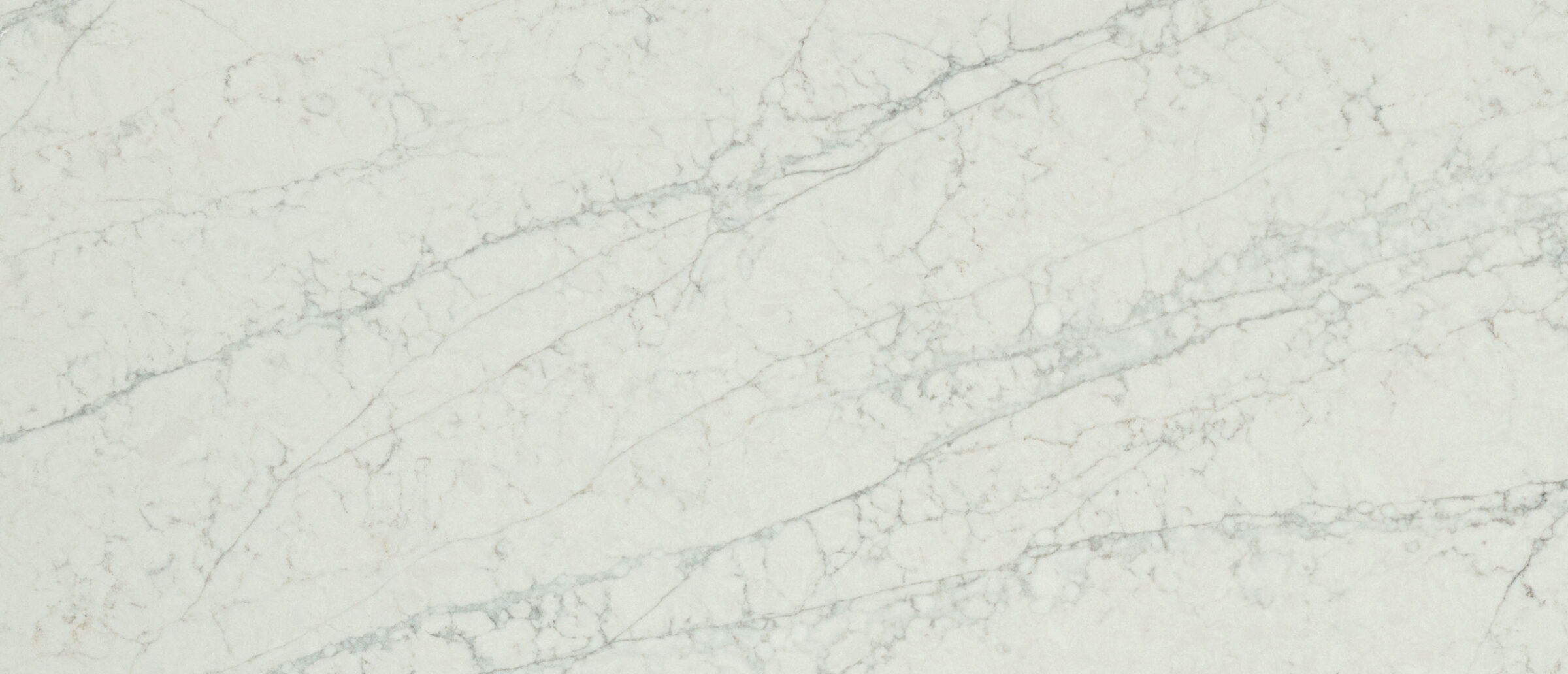
Azurmatt Quartz
matte

Babylon Gray Concrete Quartz
gray

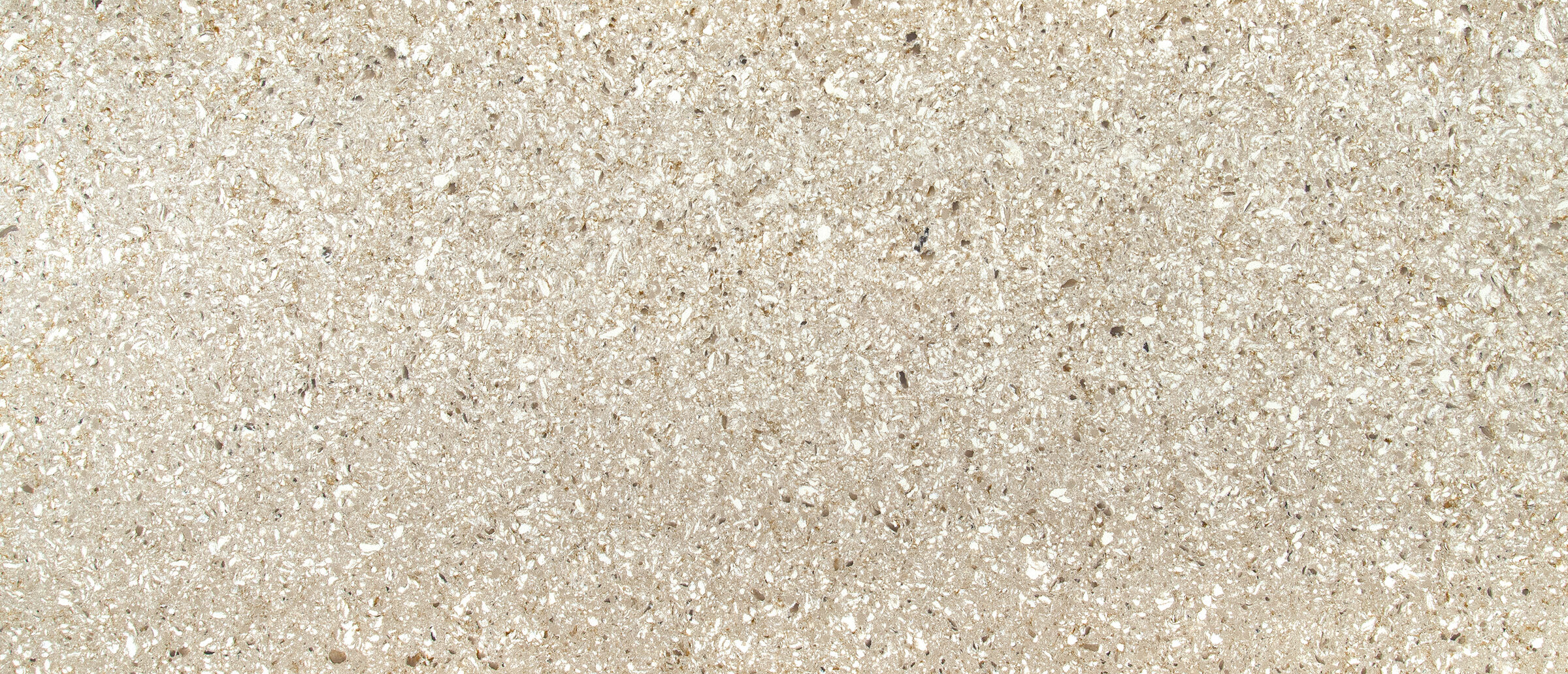
Bayshore Sand Quartz
sand

Bianco Pepper Quartz
white with peppered detailing
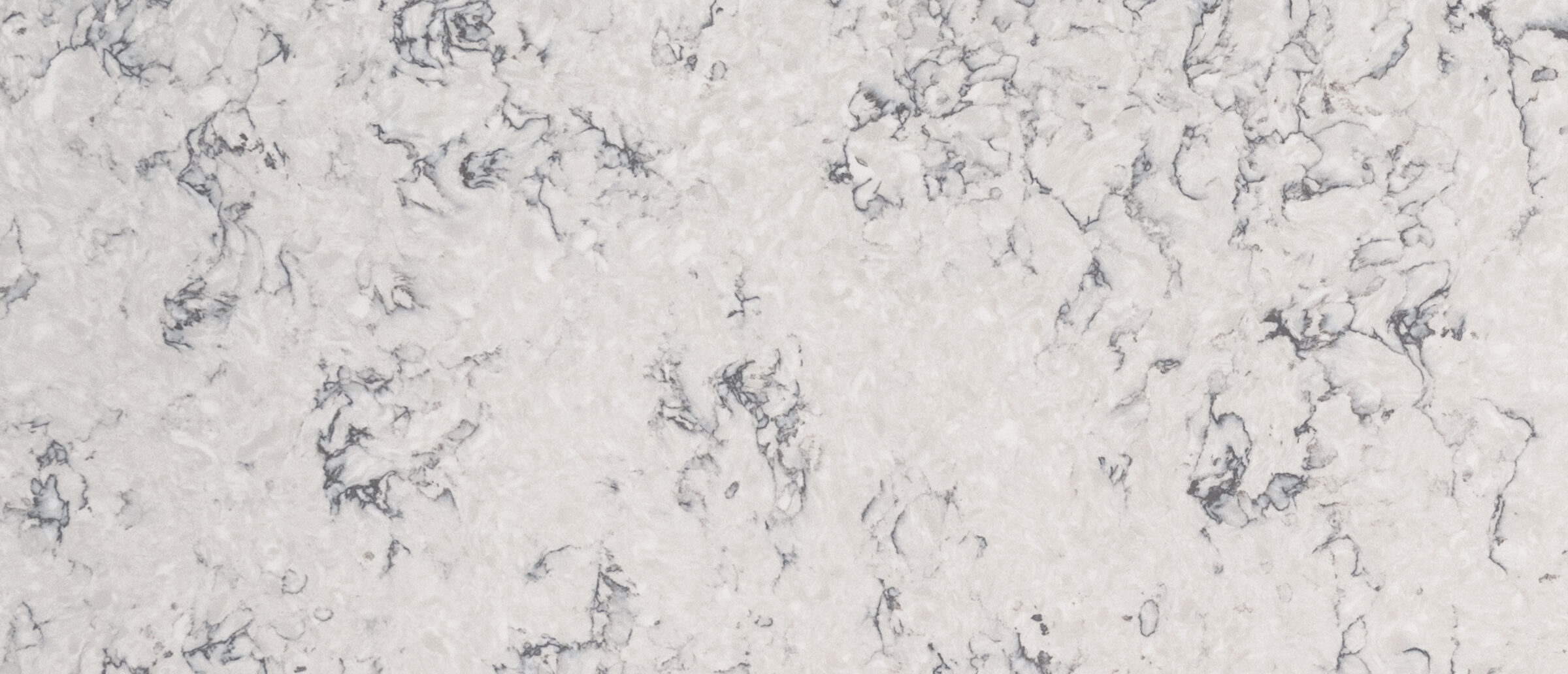
Blanca Arabescato Quartz
white

Blanca Statuarietto Quartz
white

Calacatta Abezzo Quartz
white with subtle gray veining

Calacatta Adonia Quartz
soft neutral with elegant veining

Calacatta Alto Quartz
white with bold gray veining

Calacatta Anava Quartz
white with warm and cool veining
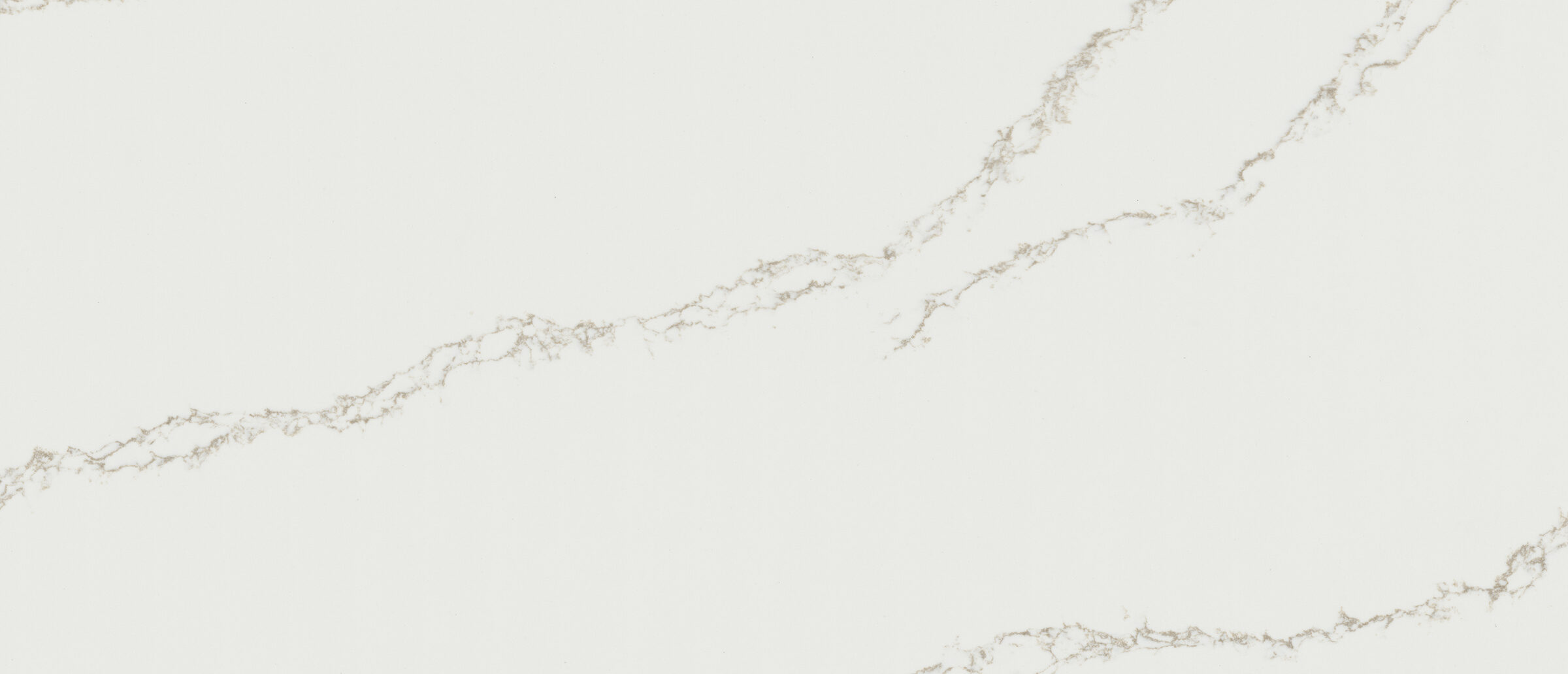
Calacatta Arno Quartz
white with dramatic gray veining

Calacatta Azulean Quartz
white with striking blue-gray veining

Calacatta Bali Quartz
white with prominent gray veining
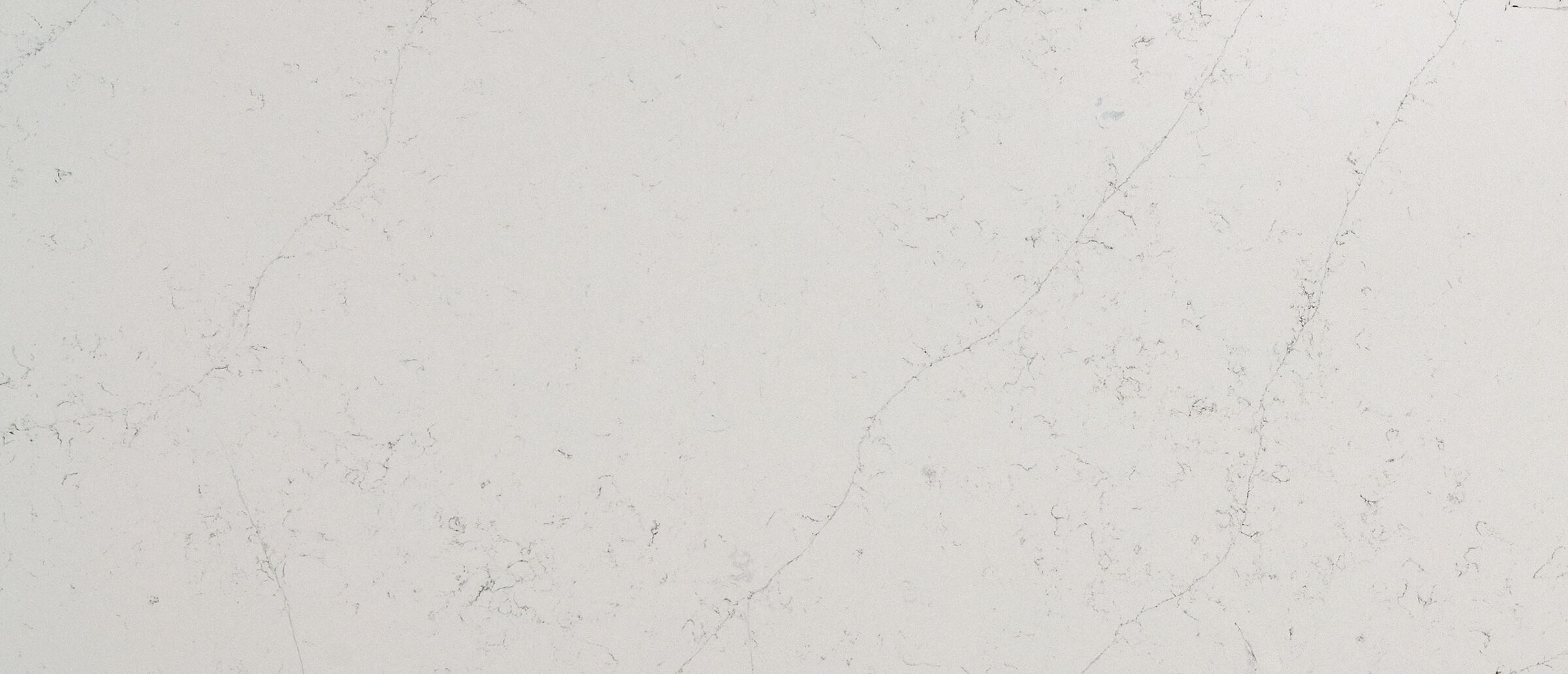
Calacatta Botanica Quartz
white with gray veining

Calacatta Castana Quartz
white with warm veining

Calacatta Delios Quartz
white with gray veining

Calacatta Duolina Quartz
white with soft veining

Calacatta Elysio Quartz
white with subtle veining

Calacatta Idillio Quartz
white with dramatic gray veining
Calacatta Izaro Quartz
white with striking gray veining

Calacatta Karmelo Quartz
white with bold gray veining
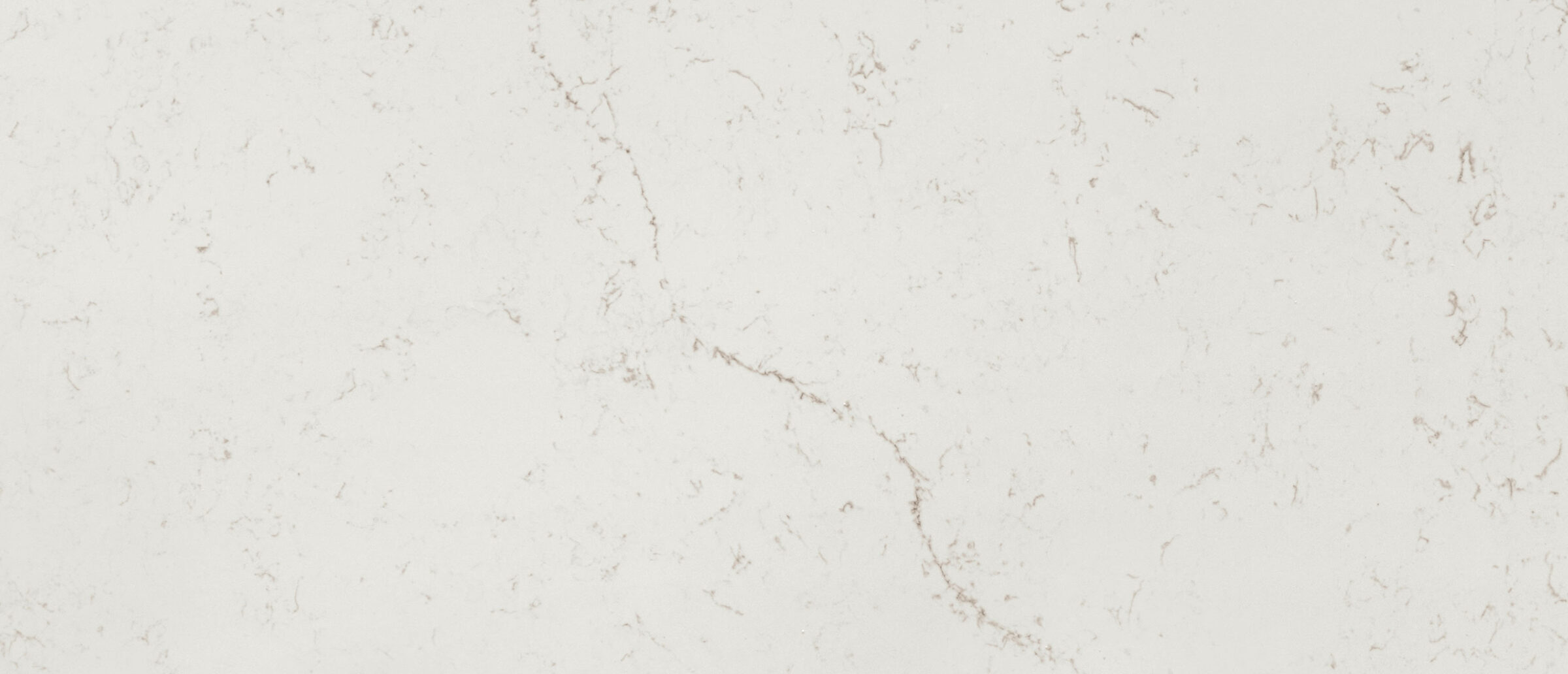
Calacatta Lavasa Quartz
white with striking gray veining
Calacatta Laza Grigio Quartz
white with soft gray veining

Calacatta Laza Oro Quartz
white with gold veining
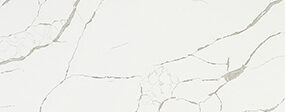
Calacatta Laza Quartz
white with gray veining
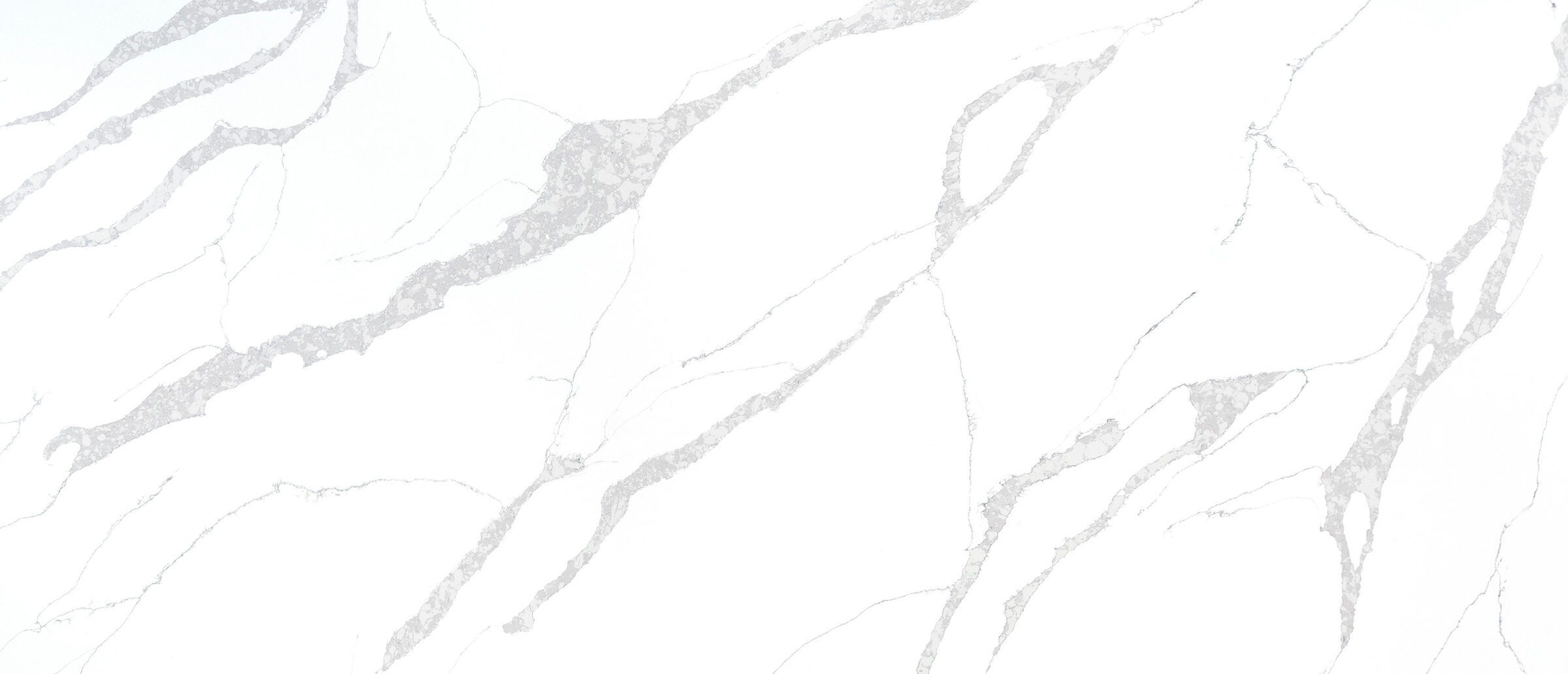
Calacatta Leon Quartz
white with gray veining
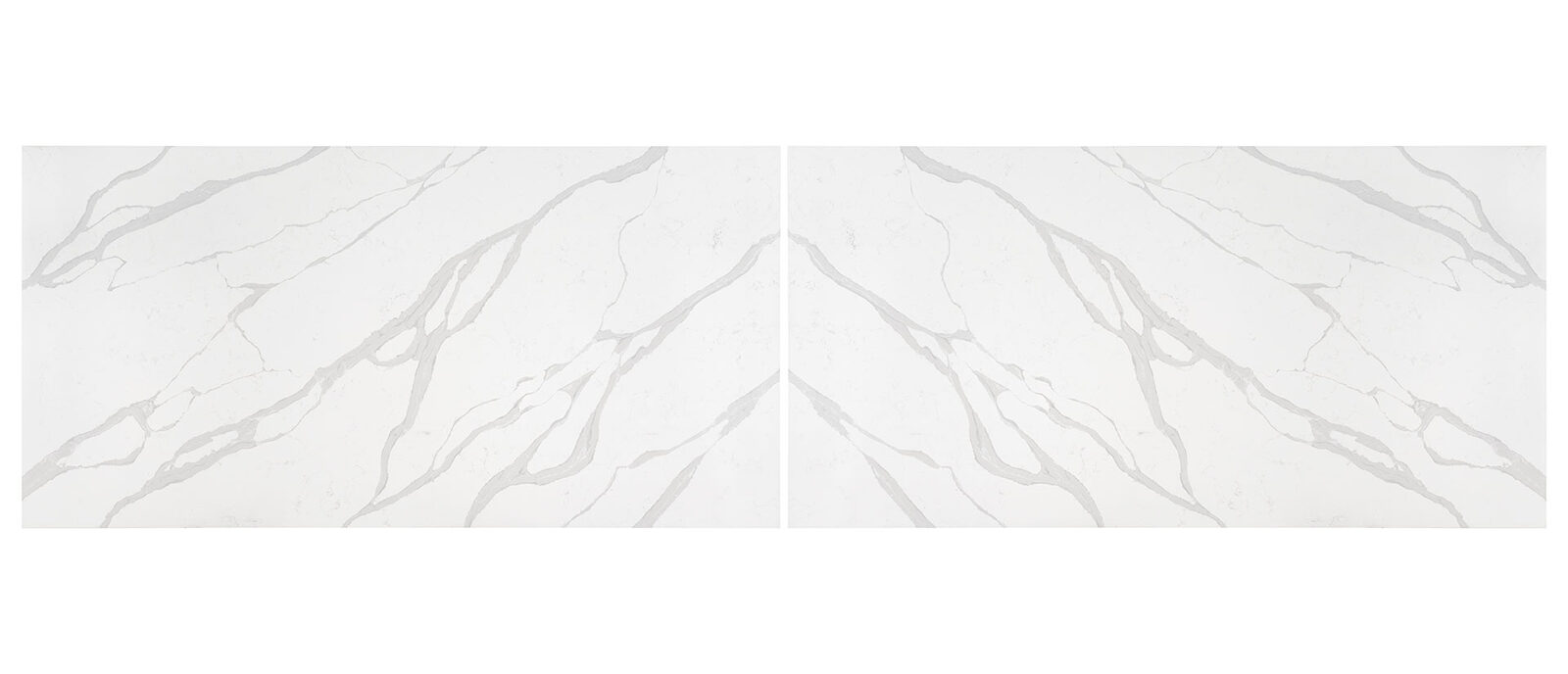
Calacatta Luccia Quartz
white with gray veining
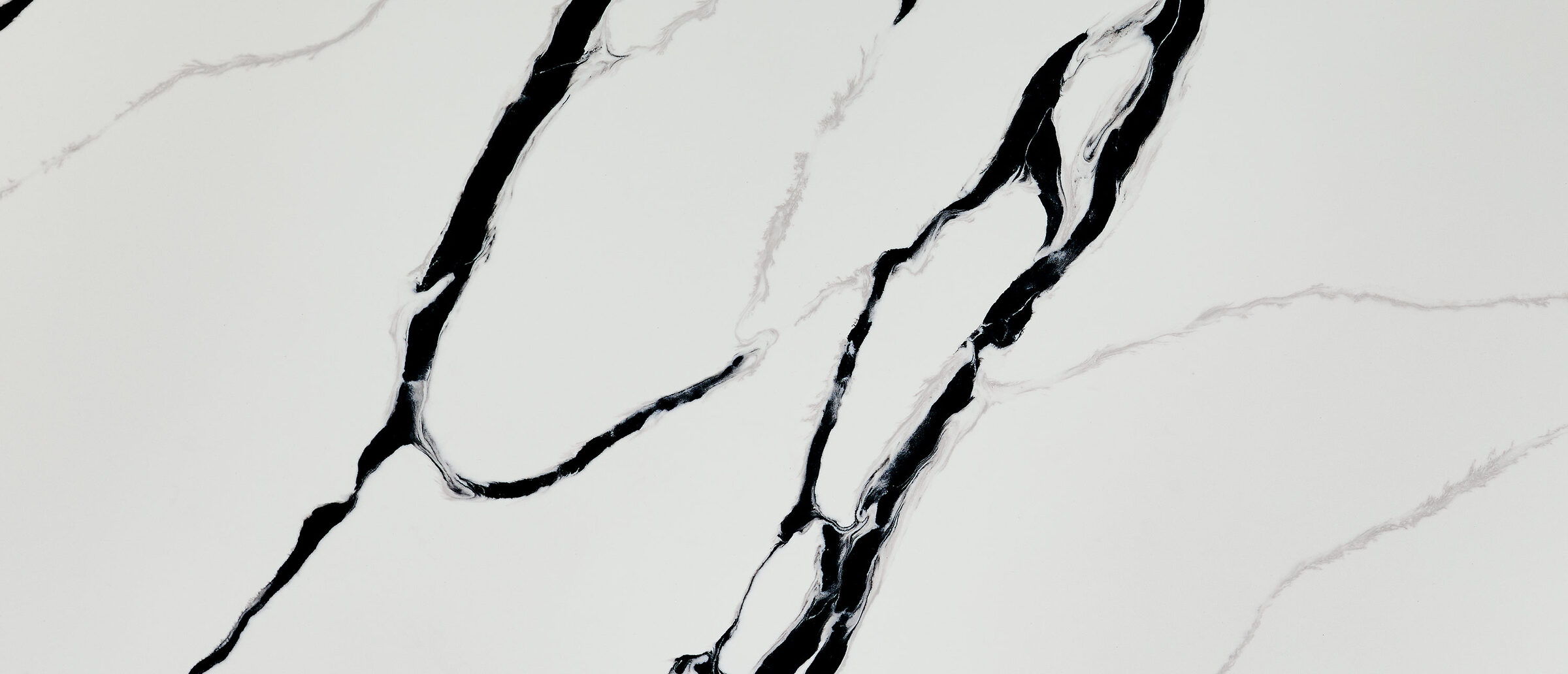
Calacatta Lumanyx Quartz
white with gray veining
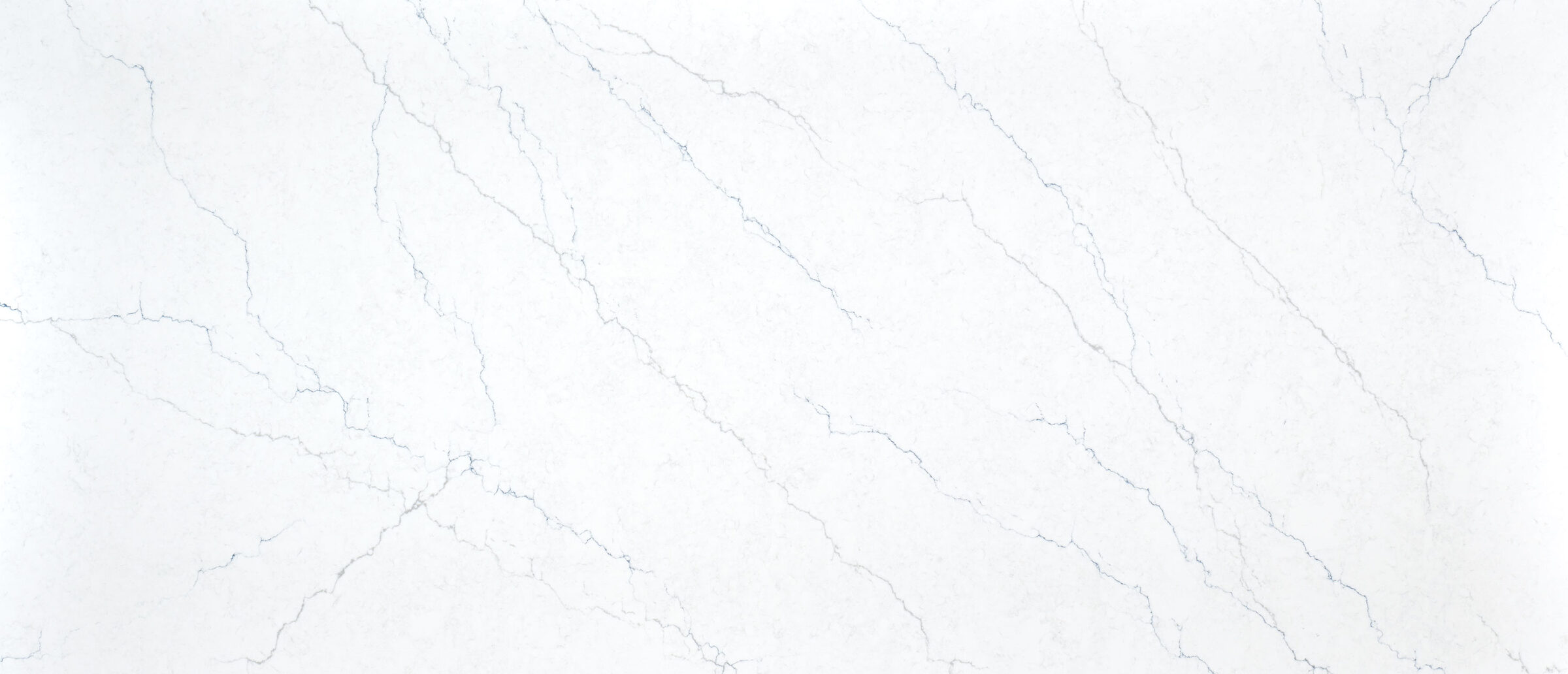
Calacatta Miraggio Cielo Quartz
white with blue-gray veining
Calacatta Miraggio Cove Quartz
white with gray veining

Calacatta Miraggio Duo Quartz
white with dual-tone veining
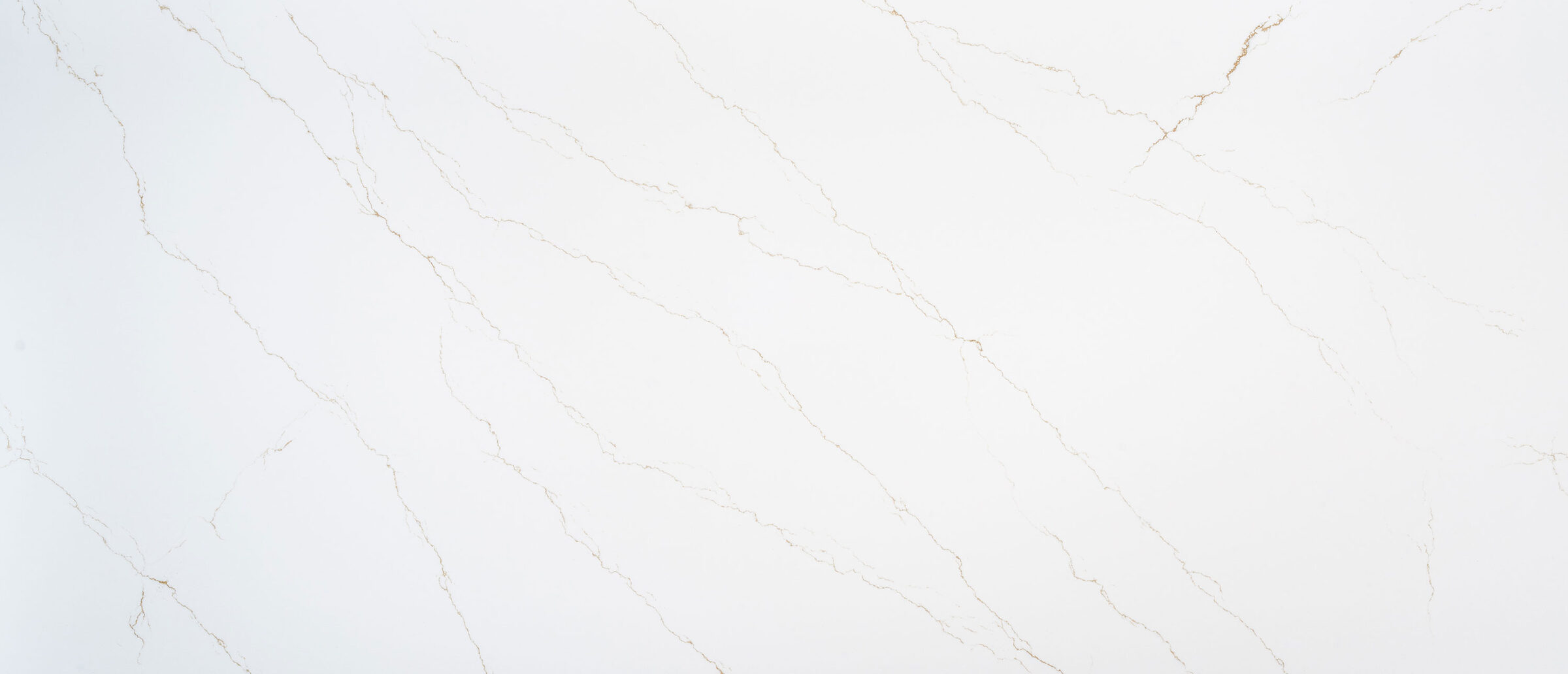
Calacatta Miraggio Gold Quartz
white with gold veining

Calacatta Miraggio Quartz
white with veining
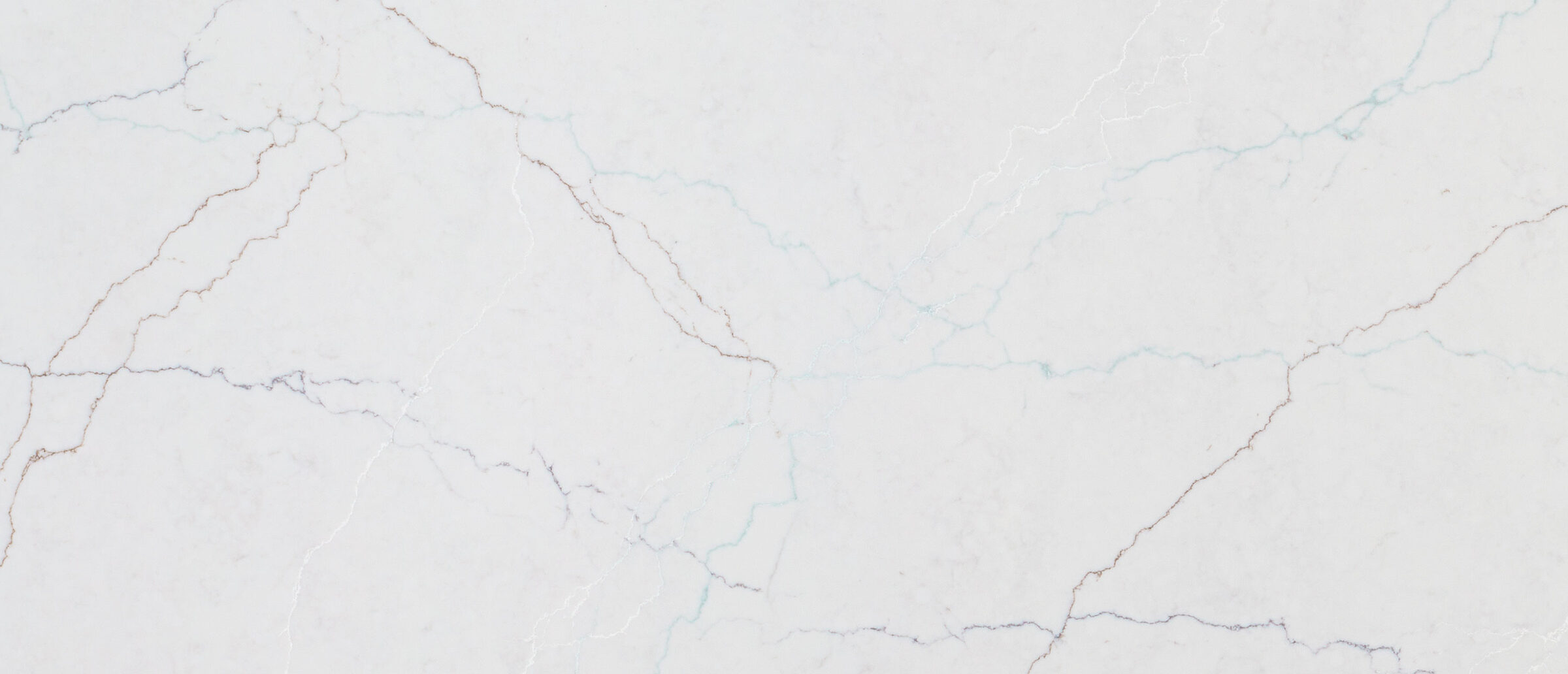
Calacatta Miraggio Seaglass Quartz
white with seaglass veining
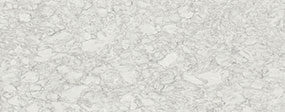
Calacatta Ocellio Quartz
white with soft veining
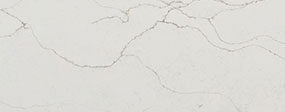
Calacatta Prado Quartz
white with bold veining

Calacatta Safyra Quartz
white with sapphire veining
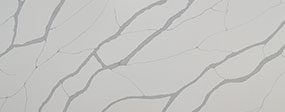
Calacatta Sierra Quartz
cool white with soft gray veining
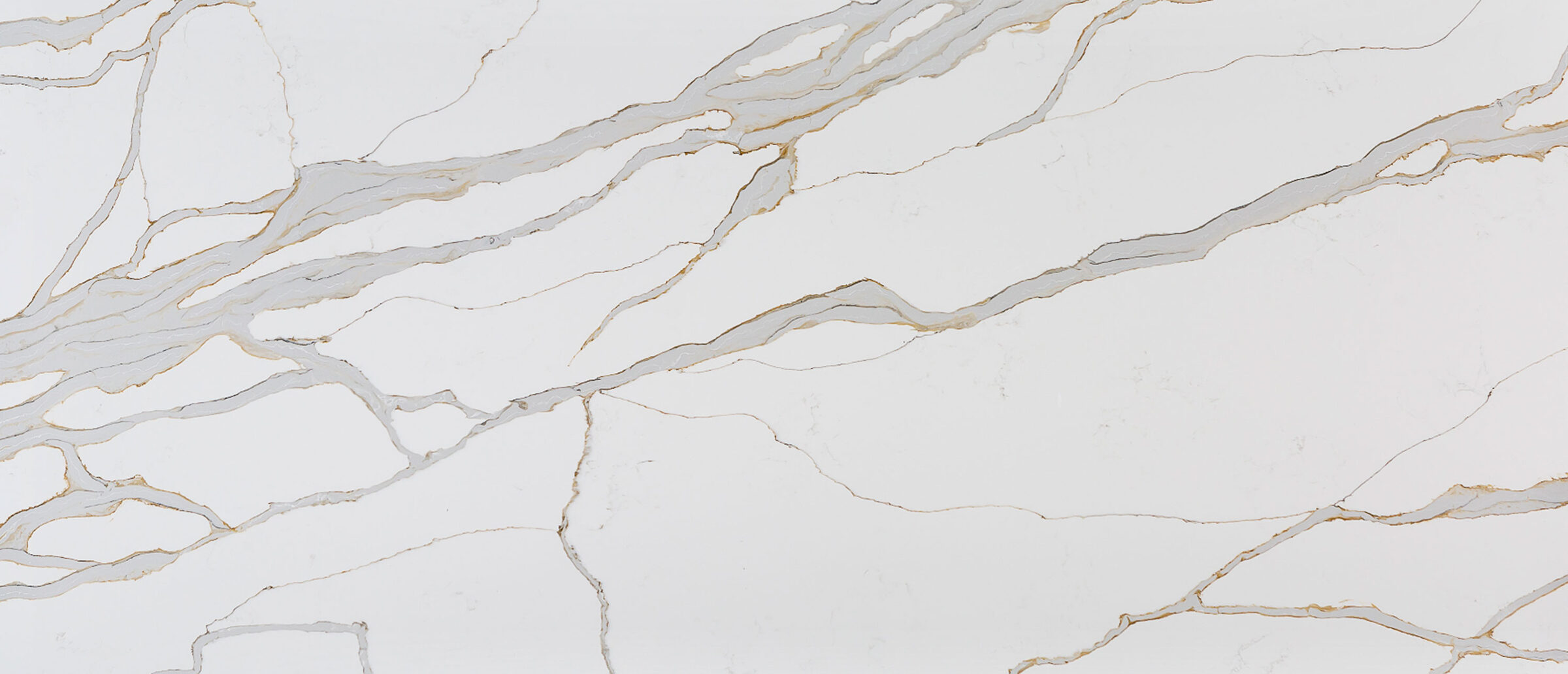
Calacatta Solessio Quartz
white with prominent veining

Calacatta Trevi Quartz
soft white with subtle gray veins

Calacatta Ultra Quartz
bright white with bold veining

Calacatta Versailles Quartz
white

Calacatta Vicenza Quartz
white
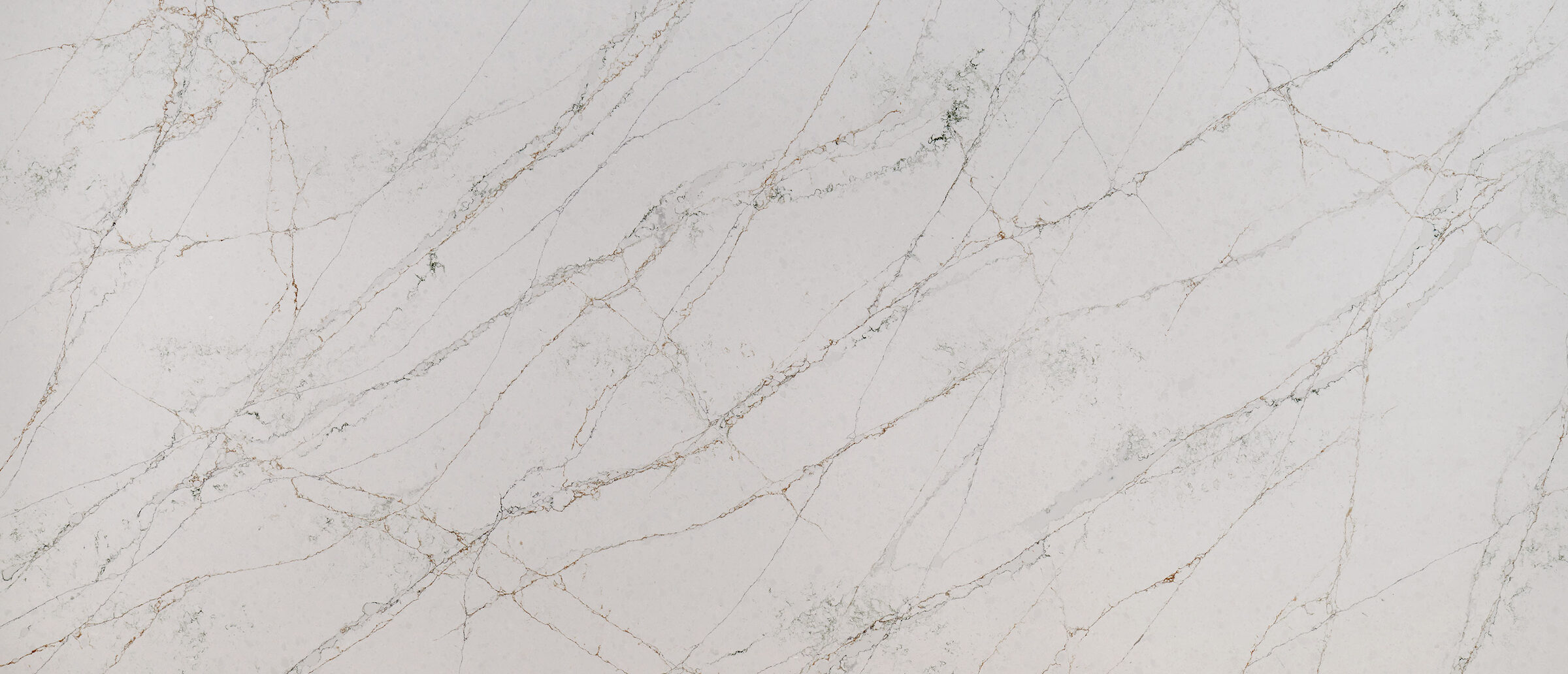
Calacatta Viraldi Quartz
white

Calico White Quartz
white

Carrara Delphi Quartz
white

Carrara Lumos Quartz
white

Carrara Marmi Quartz
white

Carrara Miksa Quartz
white with veining
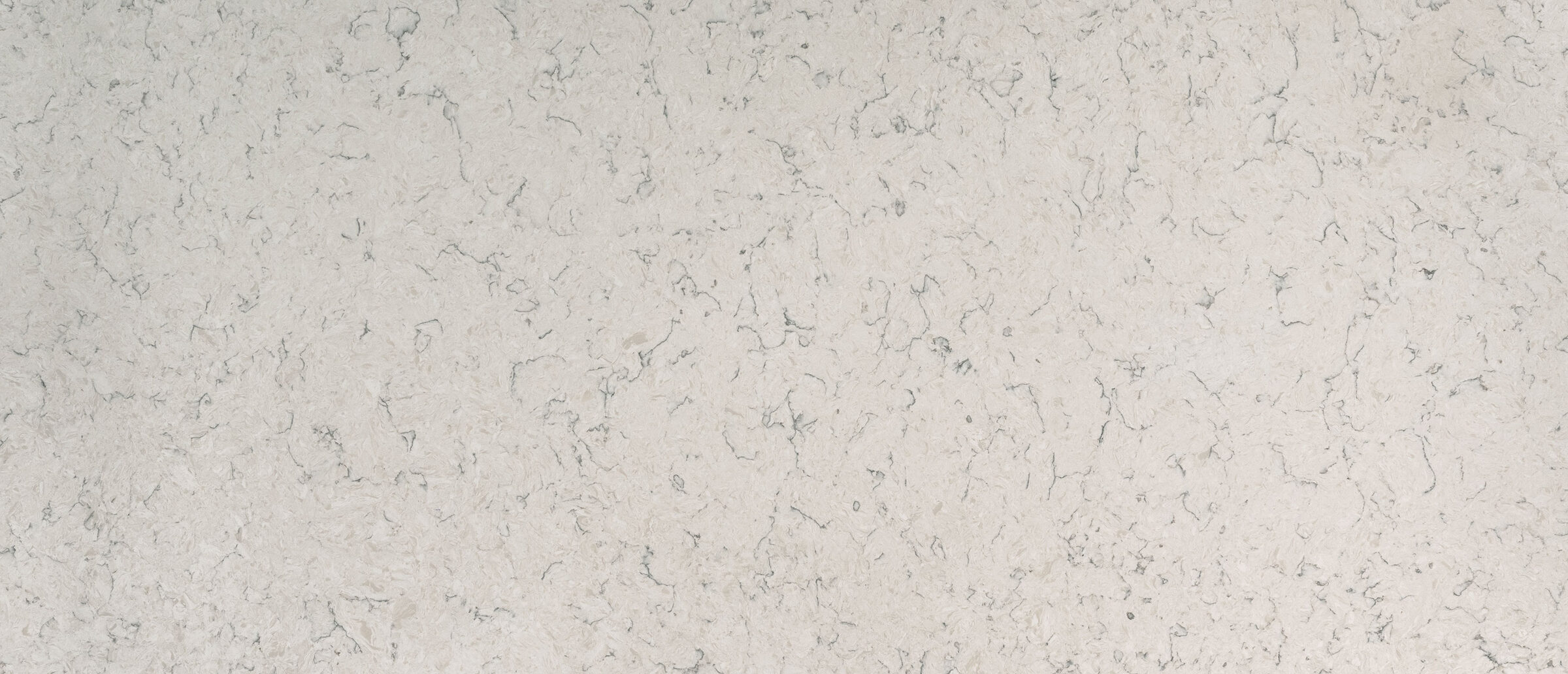
Carrara Mist Quartz
white with gray veining

Carrara Morro Quartz
white with dramatic veining

Carrara Trigato Quartz
white with subtle veining
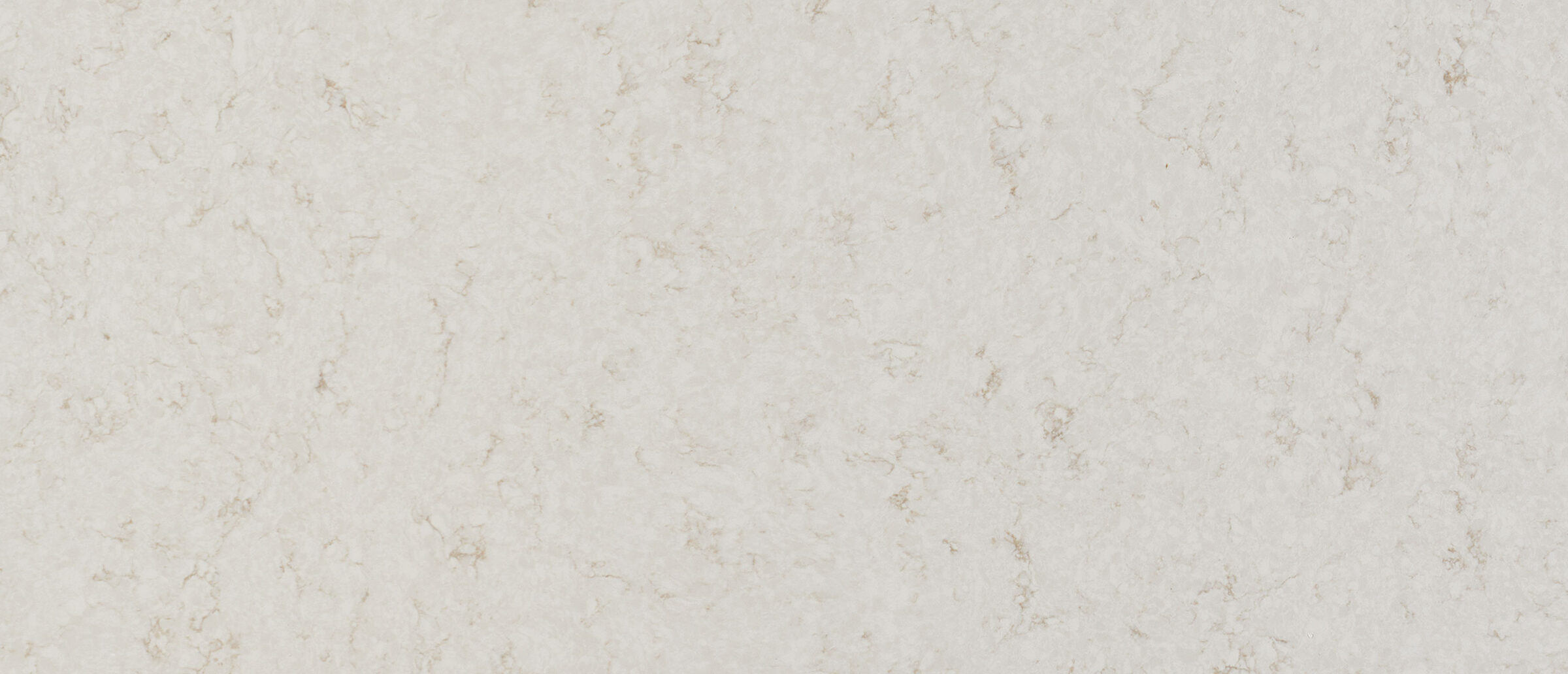
Cashmere Taj Quartz
white with soft veining
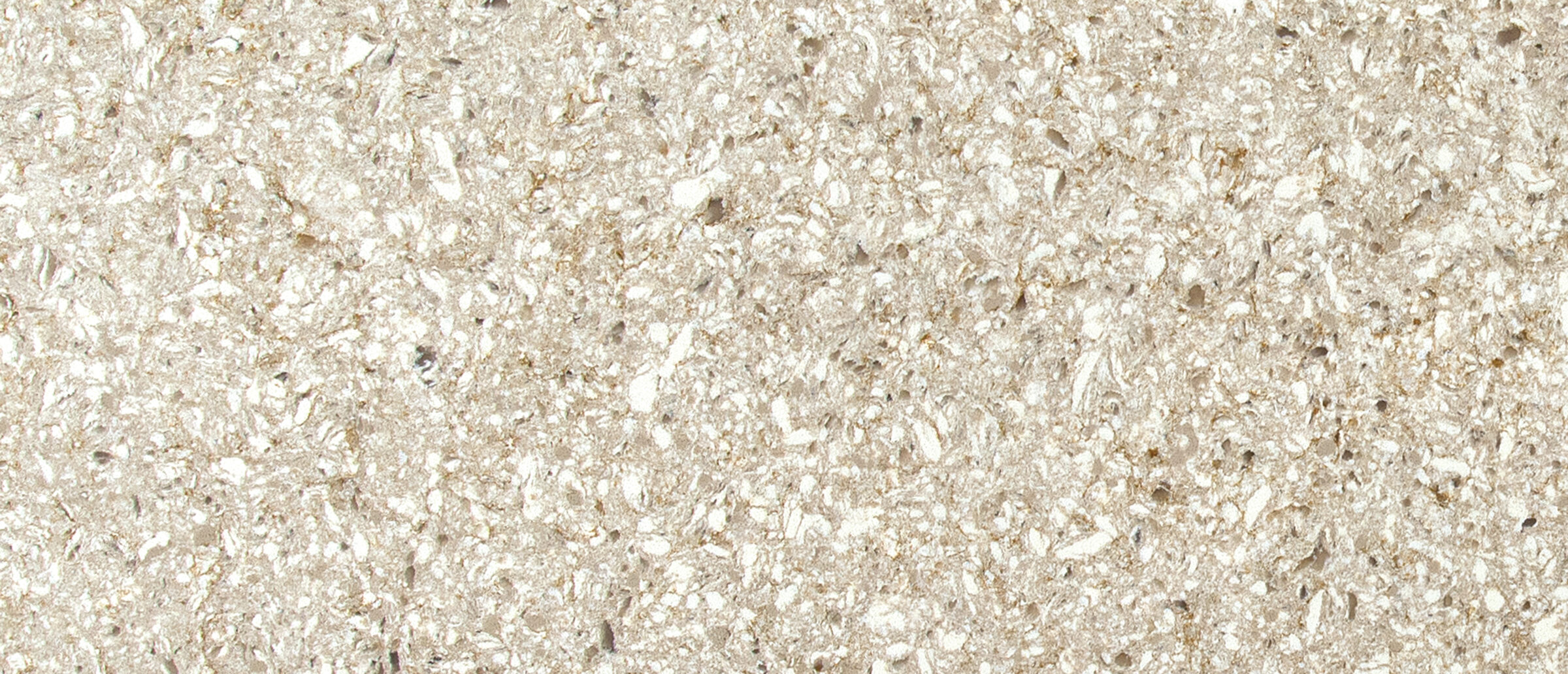
Chakra Beige Quartz
beige with subtle flecks

Concerto Quartz
gray with fine flecks

Fairy White Quartz
white with subtle gray veining

Fossil Gray Matte Quartz
gray

Fossil Gray Quartz
gray

Frost White Quartz
white
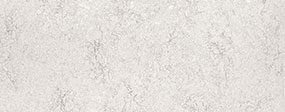
Gray Lagoon Concrete Quartz
gray

Gray Lagoon Quartz
gray
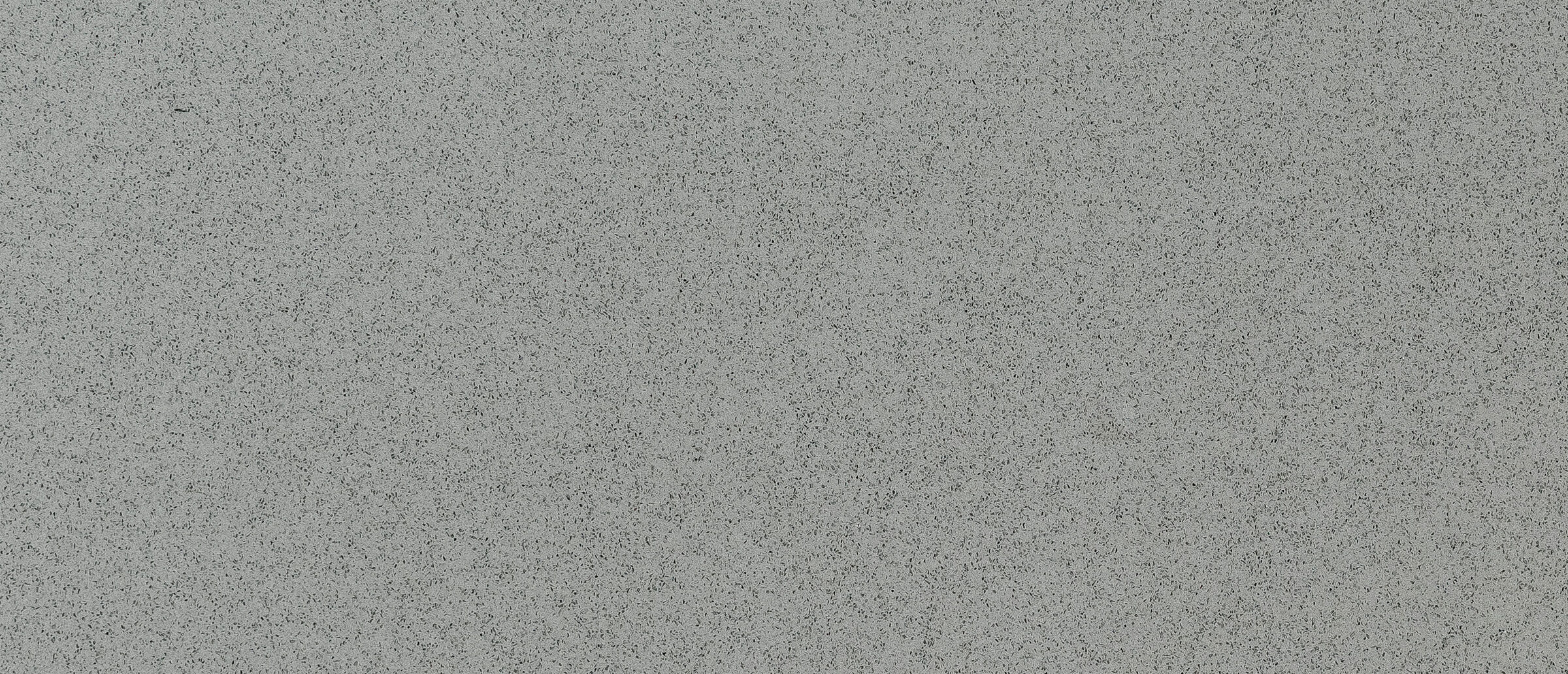
Iced Gray Quartz
gray
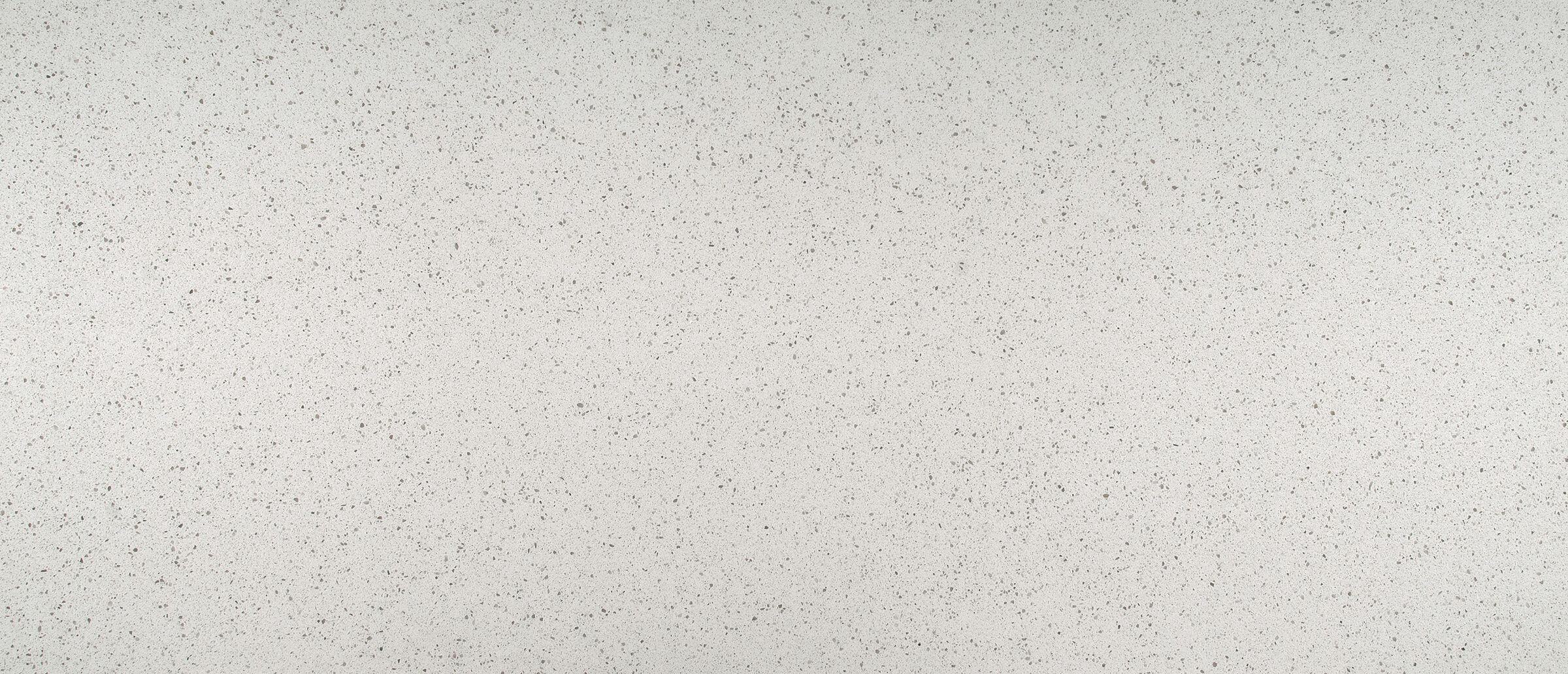
Iced White Quartz
white
Lumataj Quartz
white and gray

Macabo Gray Quartz
gray

Manhattan Gray Quartz
gray

Midnight Corvo Quartz
black

Midnight Majesty Concrete Quartz
black
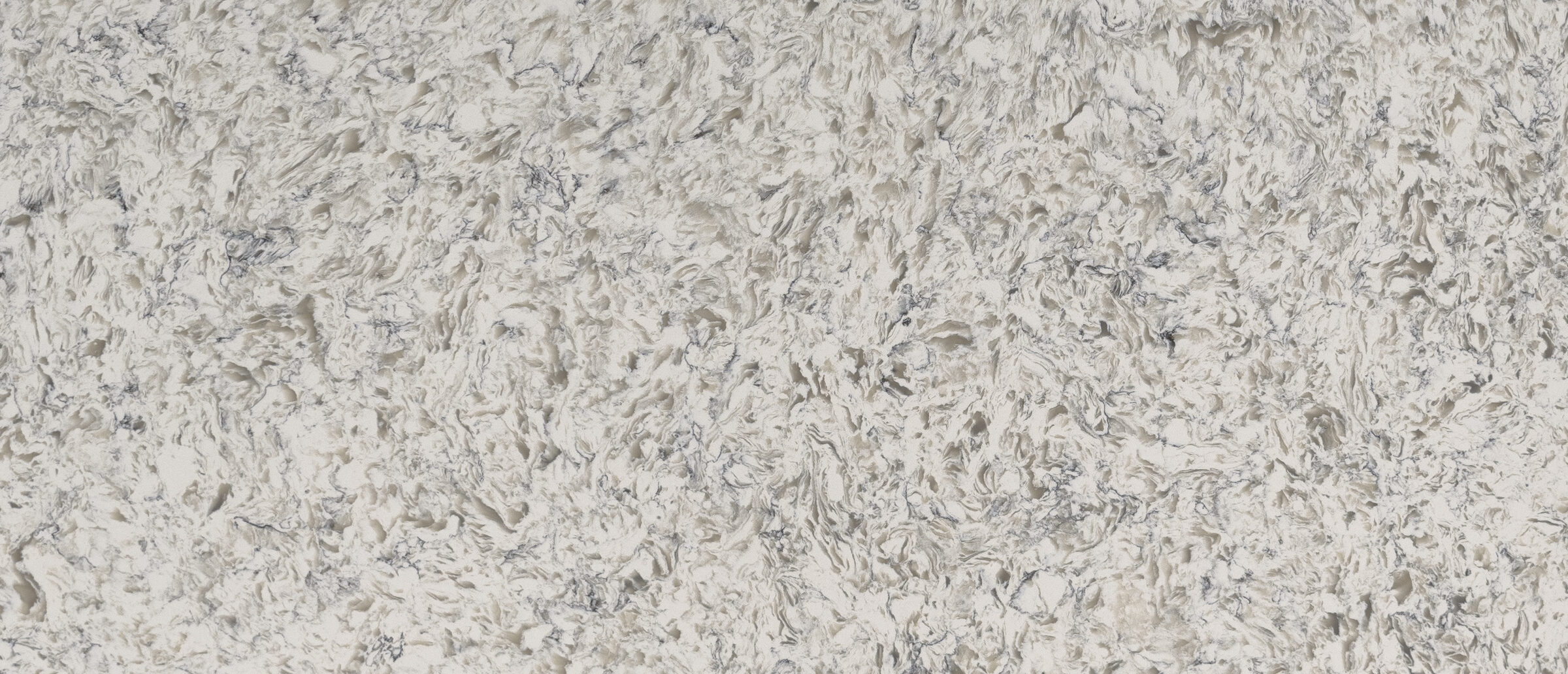
Montclair White Quartz
white
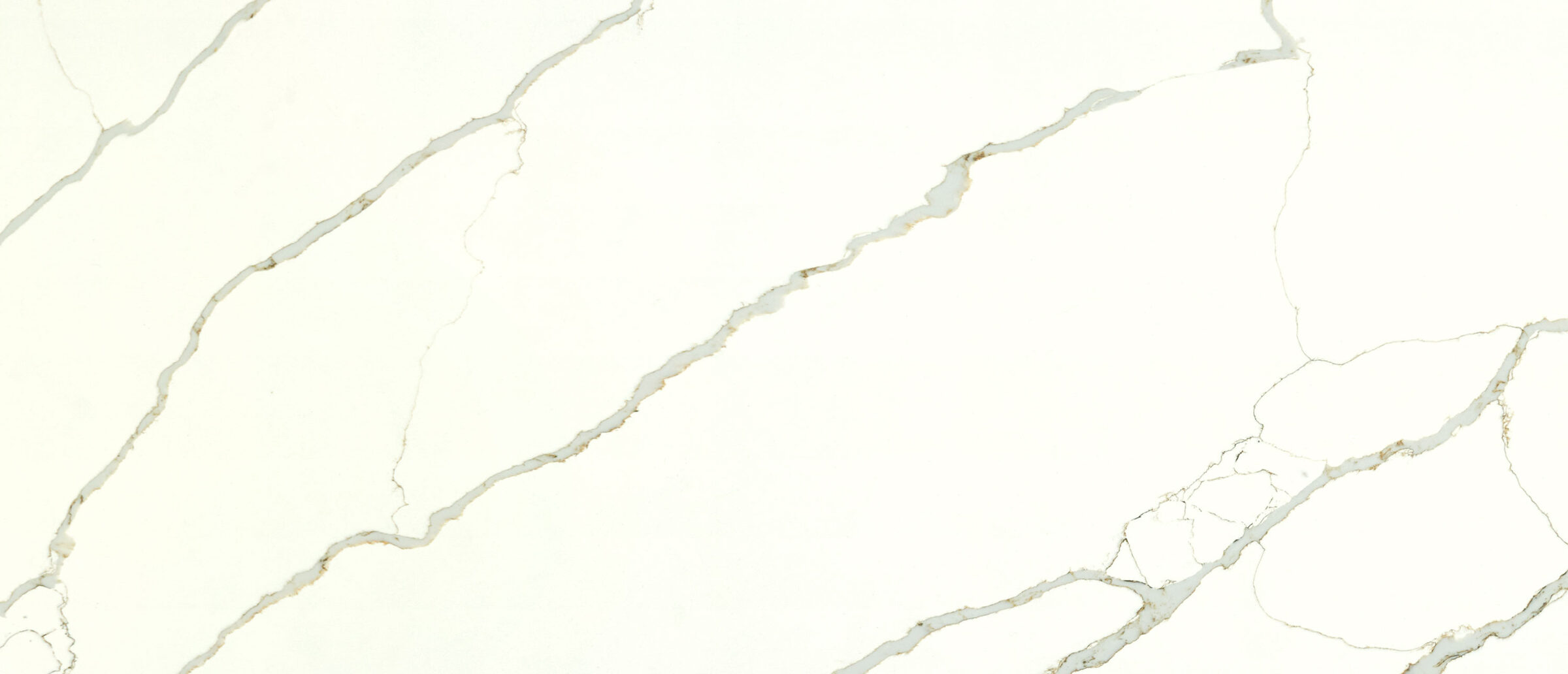
New Calacatta Laza Gold Quartz
white and gold
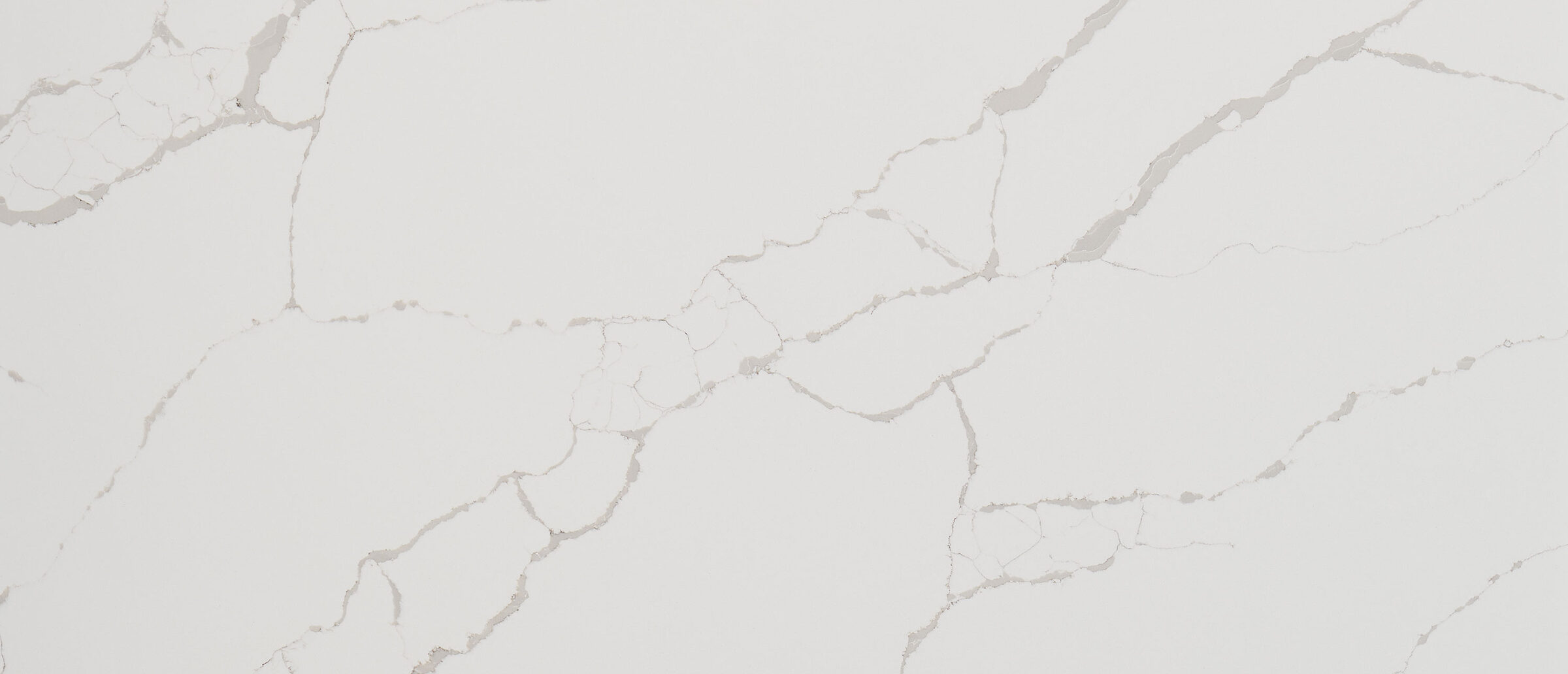
New Calacatta Laza Quartz
white and gray

New Carrara Marmi Quartz
white and gray

Perla White Quartz
white
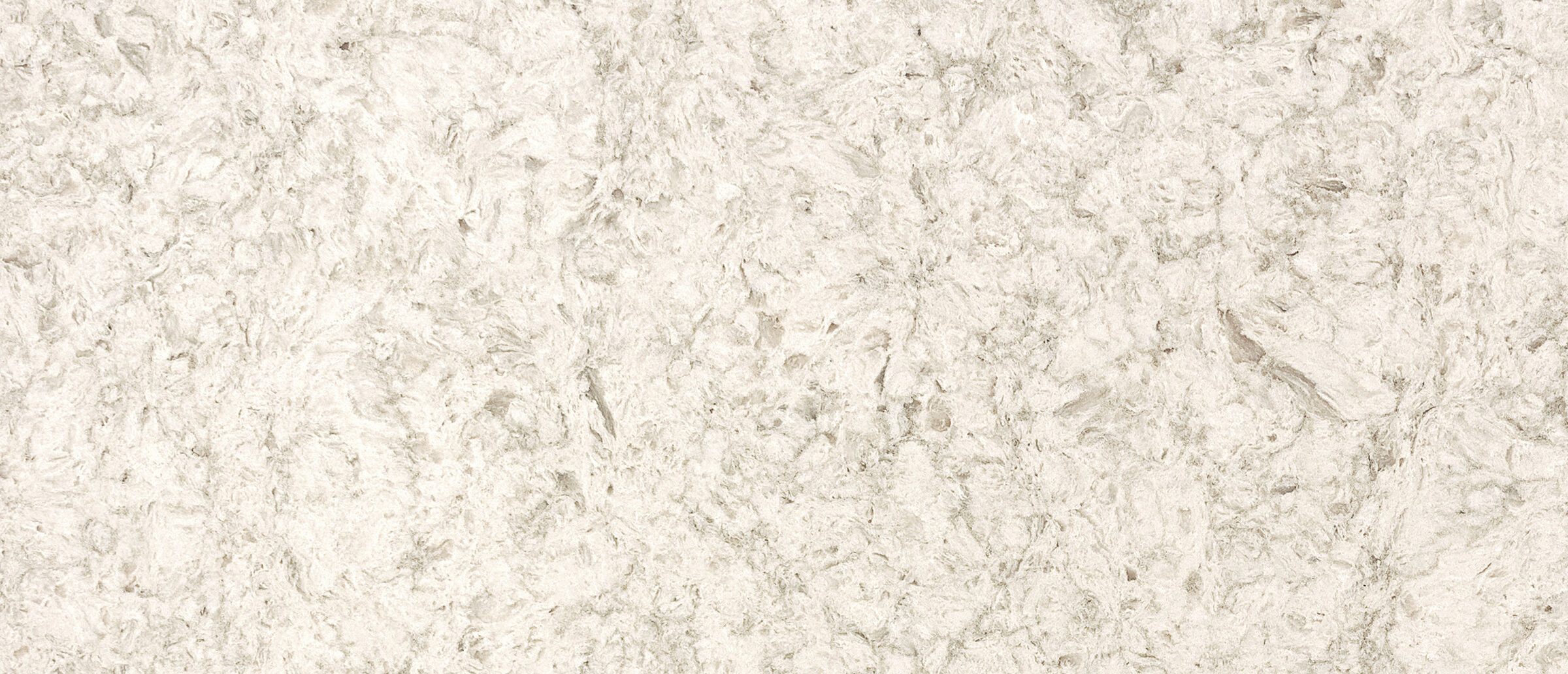
Portico Cream Quartz
cream

Premium Plus White Quartz
white
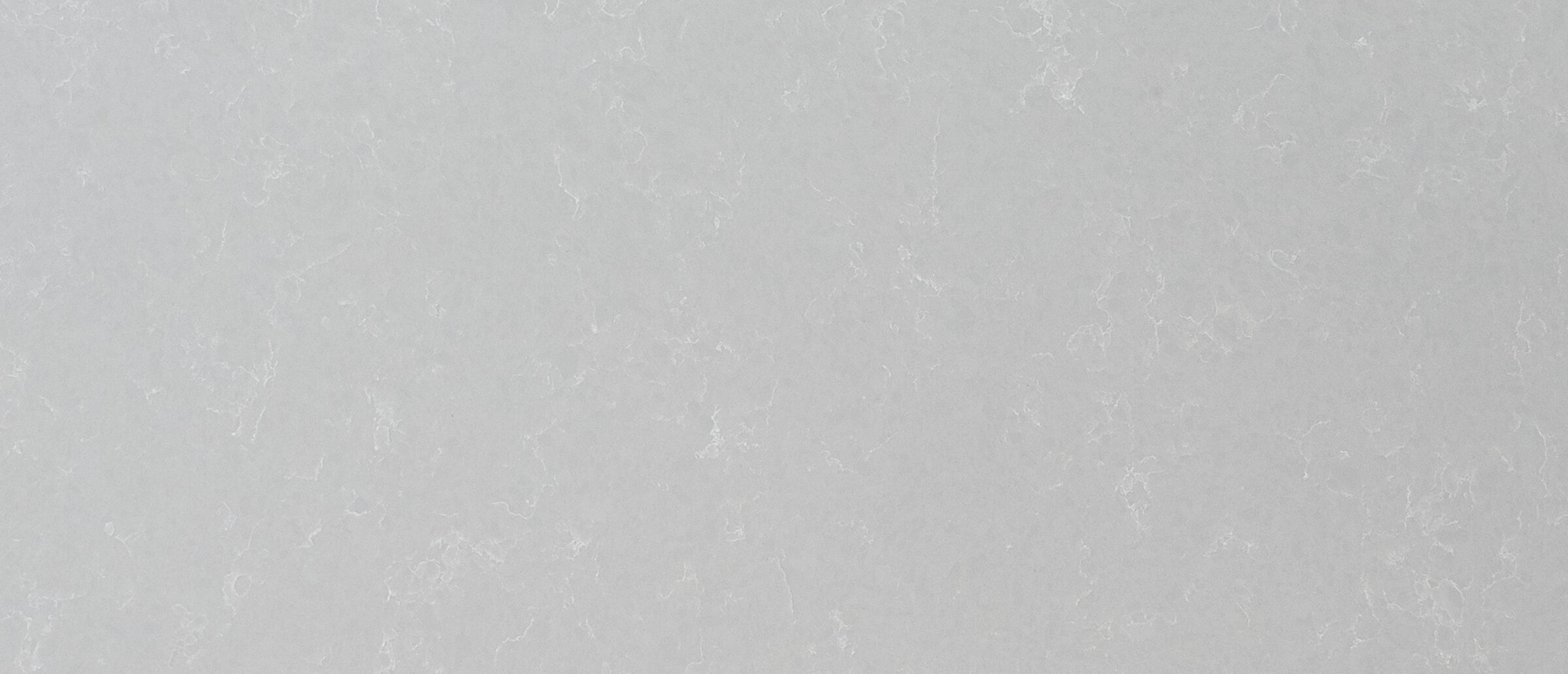
Smoked Pearl Quartz
gray

Snow White Quartz
white
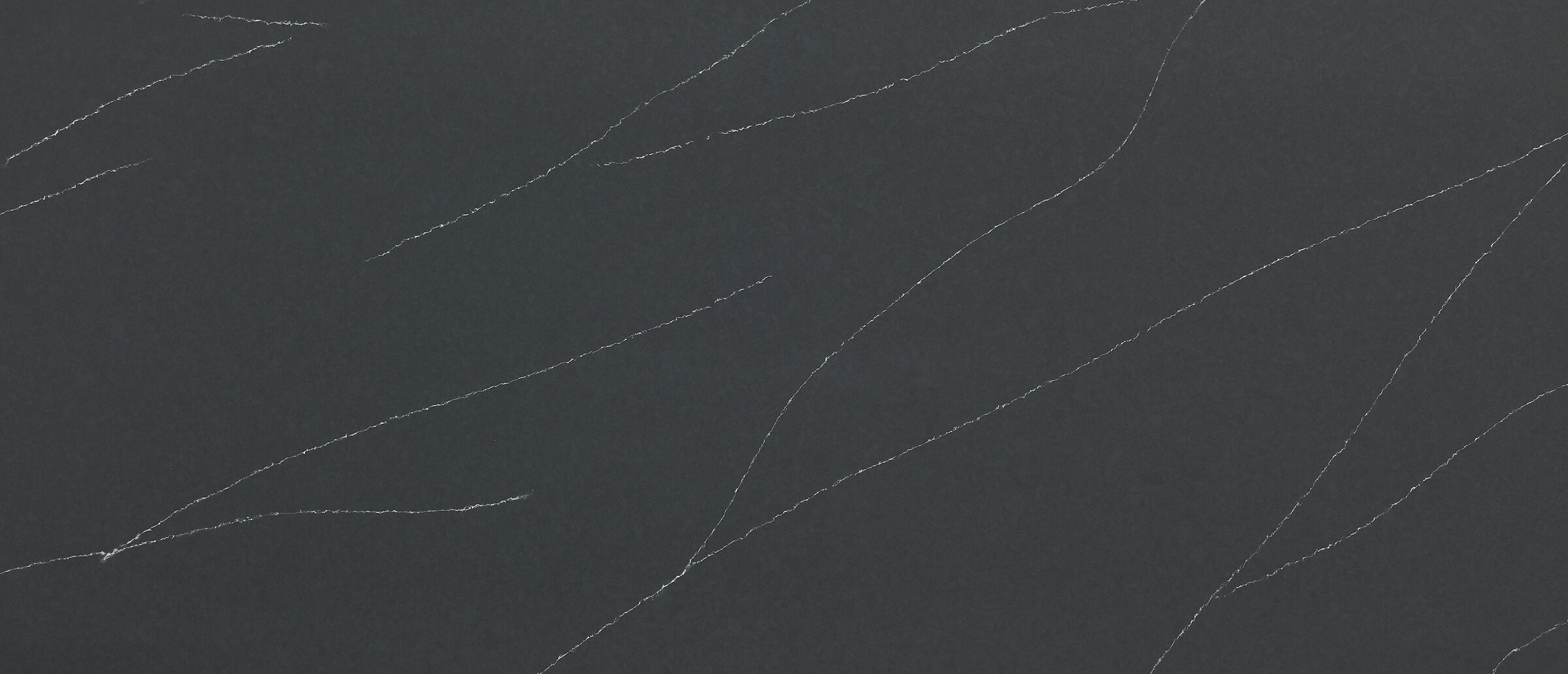
Soapstone Metropolis Concrete Quartz
gray

Soapstone Metropolis Quartz
dark gray

Soapstone Mist Concrete Quartz
concrete

Soapstone Mist Quartz
gray

Sparkling Black Quartz
black
Sparkling White Quartz
white
Statuary Classique Quartz
white with veining

Stellar White Quartz
white

aurataj-quartz
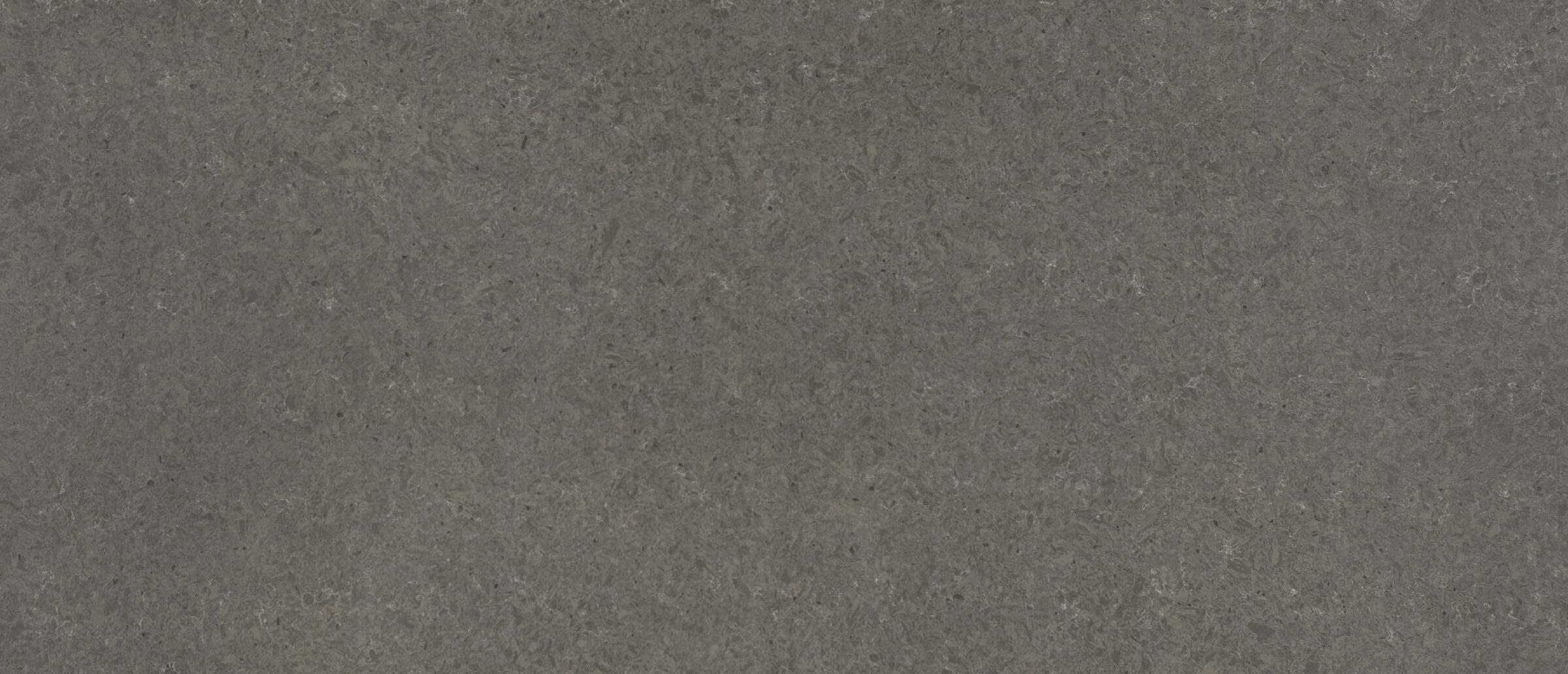
babylon-gray-quartz
gray

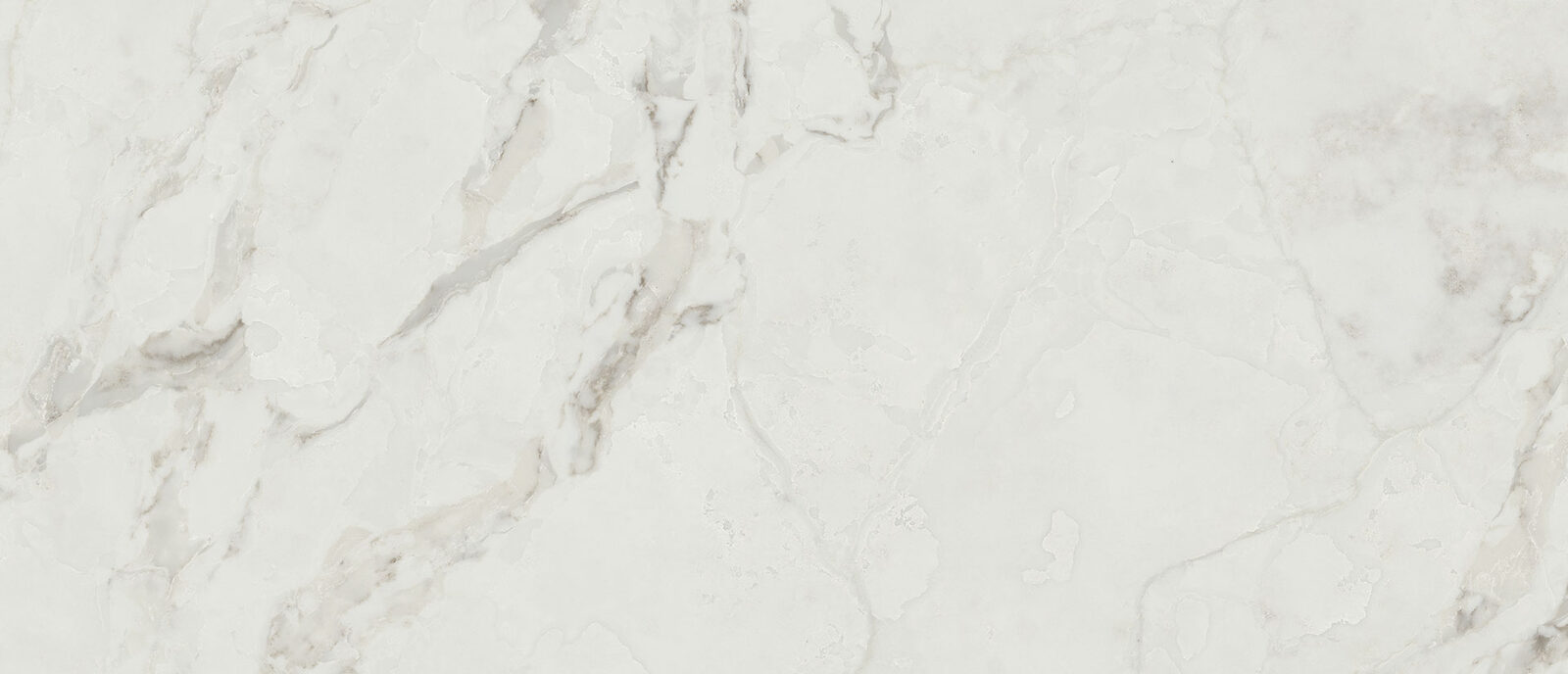
calacatta-aidana-quartz
calacatta-aravine-quartz

calacatta-belaros-quartz
calacatta-jadira-quartz
calacatta-lapiza-quartz

calacatta-miraggio-cielo-honed-quartz

calacatta-miraggio-cove-honed-quartz
calacatta-miraggio-duo-honed-quartz

calacatta-miraggio-gold-honed-quartz
gold

calacatta-miraggio-lusso-quartz
calacatta-orella-quartz

calacatta-rivessa-quartz

calacatta-rusta-quartz

calacatta-vernello-quartz

carrara-breve-quartz

eroluna-quartz
ivoritaj-brushed-quartz

ivoritaj-quartz

marfitaj-quartz

marquina-midnight-quartz

meridian-gray-quartz
gray

midnight-majesty-quartz
miraggio-taj-honed-quartz
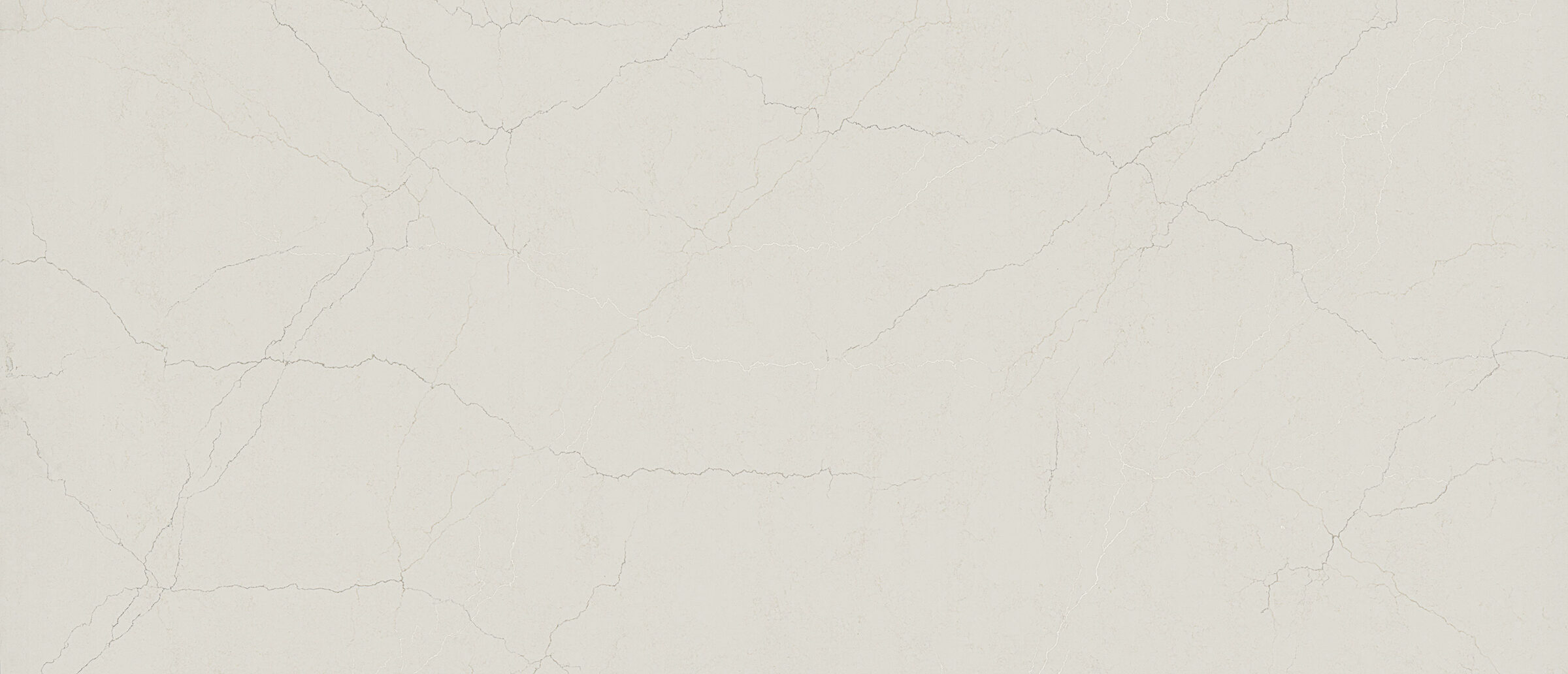
miraggio-taj-quartz
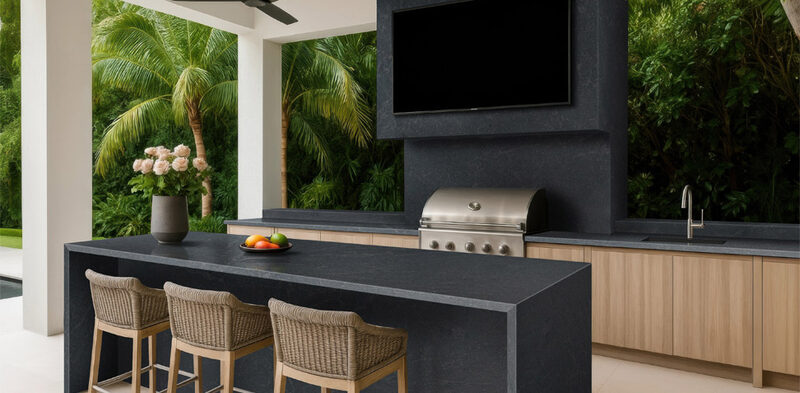
outdoor-countertops

q-plus

quartz

quartz-countertops

serataj-brushed-quartz

serataj-quartz
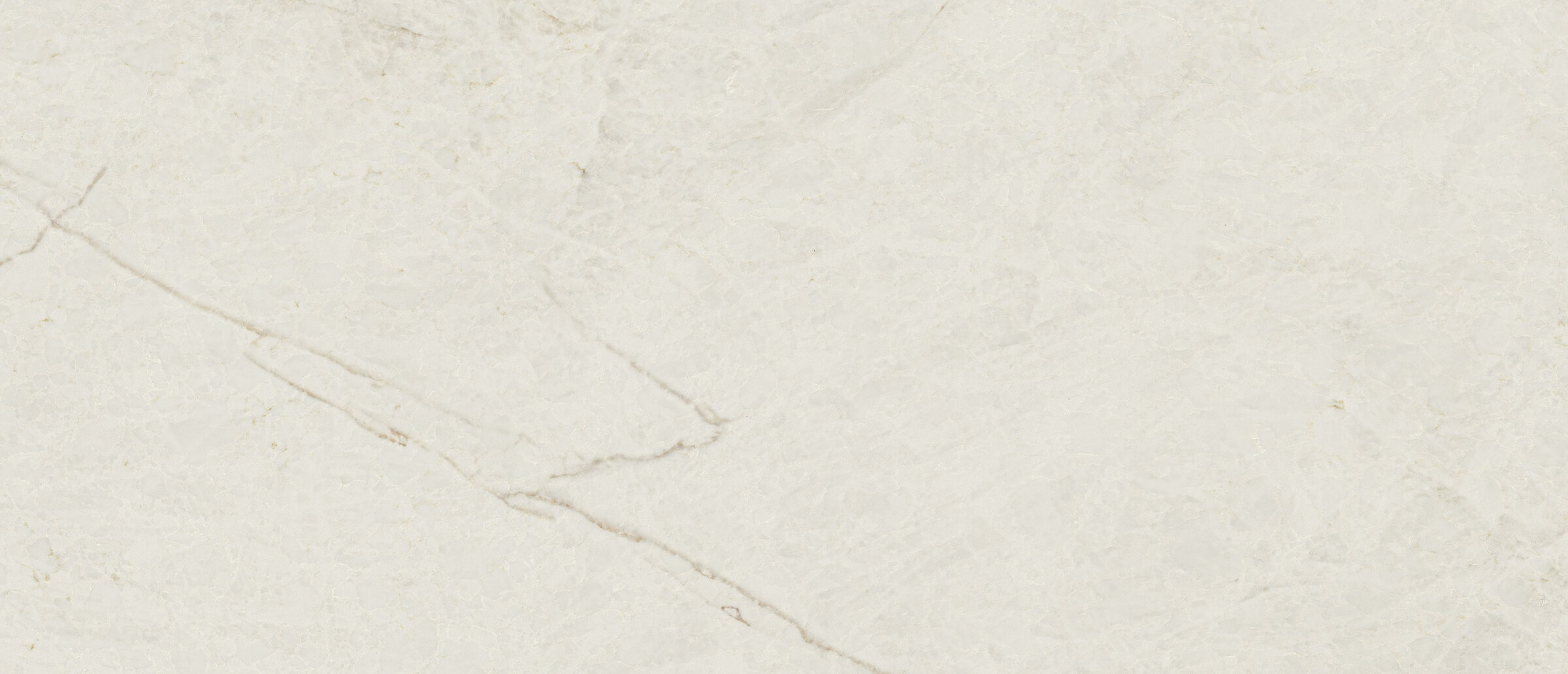
solitaj-brushed-quartz

solitaj-quartz
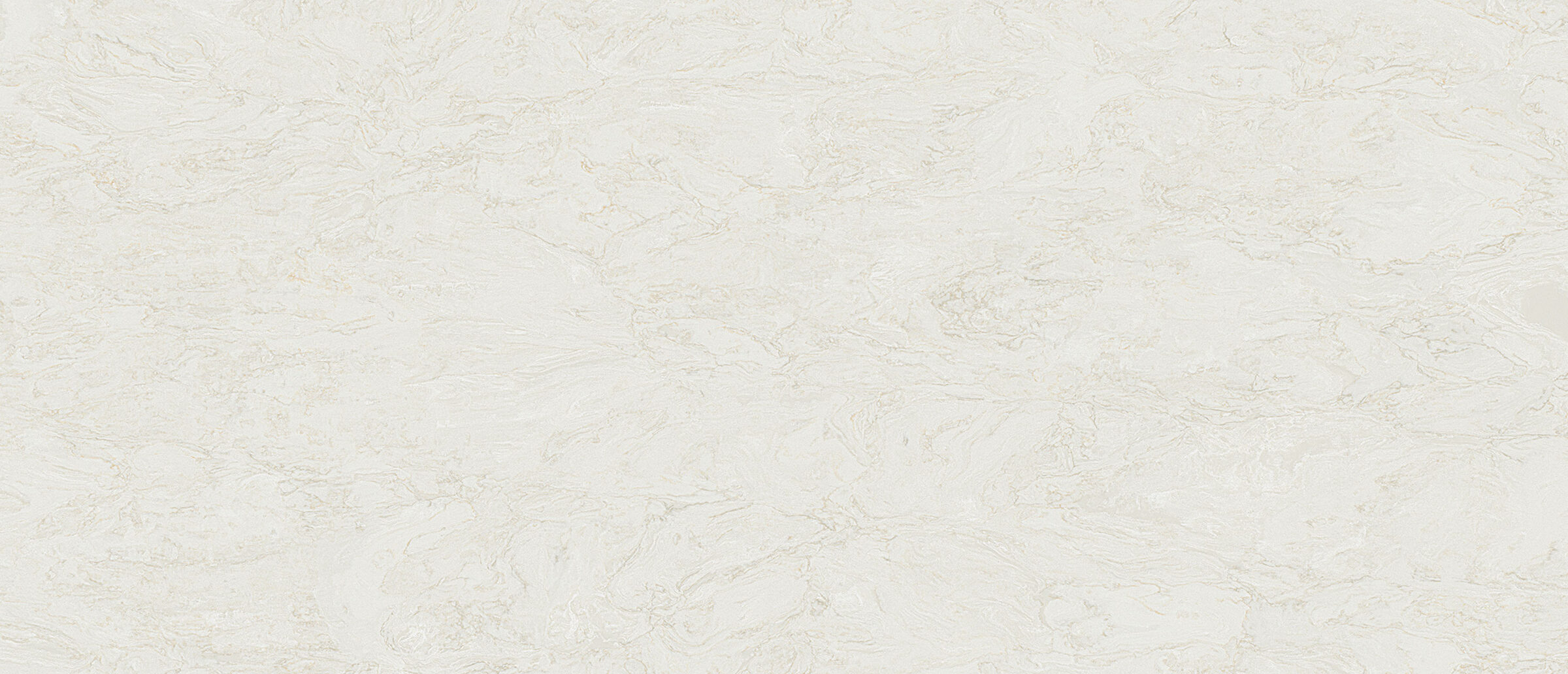
travataj-quartz
How to choose countertops
Design rules that hold up after the showroom lighting is gone.
60-30-10 color proportions
Split the kitchen roughly 60% dominant color (perimeter cabinets and walls), 30% secondary (countertops, backsplash, island, or floor), and 10% accent (hardware, faucet, lighting, stools). Treat it as a visual guideline, not a tape-measure spec.
Why: Proportion enforces hierarchy — one lead, one supporting act, one spark — so bold choices read intentional instead of chaotic.
60-30-10 split
Aim for roughly 60 percent dominant color (cabinets/walls), 30 percent secondary (counters/floor), and 10 percent accent (hardware, lighting, stools).
Why: Proportion keeps bold choices from taking over the room and gives accents somewhere to matter.
Faucet decided before countertop fabrication
Pick the faucet - and every deck accessory (soap dispenser, air gap, filtered-water tap) - before countertops are fabricated. Each hole is drilled cleanly at the shop for about $65-$120; drilling installed stone at the sink later is risky and often refused. Bridge faucets need two holes at 8 in centers; high-arc pull-downs stand 14-19 in tall, so check window sills and upper cabinets first.
Why: Hole count, spacing, and spout clearance are fabrication inputs, not installation-day details. Hole pricing per fabricator quoting guidance; spacing and heights per faucet spec guidance.
Sink mount vs countertop material
Pair undermount and apron-front sinks with solid surfaces - granite, quartz, quartzite, or solid surface. On laminate or tile countertops, default to a drop-in sink: the exposed core at an undermount cutout has no finished edge and wicks water.
Why: Undermount rims clamp and bond to the underside of the slab; laminate substrates (particleboard/MDF) swell when the unsealed cutout edge stays wet. Industry consensus across fabricator guidance; no single citation.
Templating countertops before the sink is on site
Never let countertops be templated before the physical sink is on site. Fabricators cut the opening and reveal to the actual sink - fireclay can vary up to 2% in size out of the kiln - and once the cutout is made, the reveal cannot be changed without replacing the top.
Why: Fabricator guidance is blunt: get the sink in hand before you template. Re-template fees of $75-$150 apply when site conditions are not ready, and a mismatched cutout is unfixable.
Backsplash coordination
Coordinate the backsplash with the cabinets and walls it touches, not with the countertop strip below it.
Why: The backsplash lives on the vertical plane with cabinetry and paint; tying it to the counter locks in a permanent wall color and creates awkward transitions.
Color continuity across surfaces
Run cabinets, walls, and countertop in one color family with modest contrast; a monochromatic or gently two-tone scheme reads larger than a high-contrast scheme in the same footprint.
Why: Every hard visual break chops a small room into smaller pieces; continuity removes the interruptions and lets the eye travel.
Countertop sheen under task lighting
Prefer matte, honed, or leathered countertop finishes over high-polish stone wherever strong task lighting will be installed; if you love polished stone, keep it to low-glare colors and put the lighting on dimmers.
Why: Aging eyes are markedly more glare-sensitive, and a polished slab under LED strips acts like a mirror, causing eye strain and even disorientation. Matte finishes diffuse the same light while remaining current in style.
Materials compared
11 materials, rated on the six things that actually go wrong.
| Material | Price tier | Care | Heat | Scratch | Stain | Etch | Impact | Moisture |
|---|---|---|---|---|---|---|---|---|
| Quartz | Mid | Low | 2/5 | 4/5 | 5/5 | 4/5 | 4/5 | 5/5 |
| Granite | Mid | Medium | 4/5 | 4/5 | 4/5 | 4/5 | 4/5 | 4/5 |
| Quartzite | Premium | Medium | 5/5 | 5/5 | 3/5 | 4/5 | 4/5 | 4/5 |
| Marble | Premium | High | 4/5 | 2/5 | 2/5 | 1/5 | 3/5 | 3/5 |
| Porcelain slab | Mid | Low | 5/5 | 5/5 | 5/5 | 5/5 | 2/5 | 5/5 |
| Soapstone | Premium | Medium | 5/5 | 1/5 | 5/5 | 5/5 | 2/5 | 5/5 |
| Solid surface | Mid | Low | 2/5 | 2/5 | 4/5 | 3/5 | 3/5 | 5/5 |
| Butcher block | Budget | High | 2/5 | 2/5 | 2/5 | 3/5 | 4/5 | 1/5 |
| Concrete | Premium | High | 4/5 | 3/5 | 2/5 | 2/5 | 3/5 | 3/5 |
| Recycled glass | Premium | Medium | 3/5 | 3/5 | 3/5 | 2/5 | 3/5 | 4/5 |
| Laminate | Budget | Low | 1/5 | 2/5 | 4/5 | 3/5 | 2/5 | 2/5 |
Durability 1–5, higher is better. Independent ratings — em dash means no published rating for that pairing.
The honest trade-offs
- Quartz — Nonporous, never needs sealing, excellent stain resistance, consistent repeatable patterns, easy soap-and-water care Trade-off: Resin binder scorches or discolors around 300F so hot pans are off-limits; heat damage excluded from manufacturer warranties; not UV-stable for outdoor use; seams visible on light solids
- Granite — Tolerates hot cookware; every slab unique; excellent scratch resistance; decades-long service life Trade-off: Porous — some stones benefit from periodic sealing; can chip at edges and sink corners; pattern variation makes seam matching harder
- Quartzite — Harder than granite; takes hot pans; marble look without marble softness; one-of-a-kind slabs Trade-off: Needs sealing; premium price; some stone sold as quartzite is softer marble-family rock — verify with scratch/acid test; limited color range vs quartz
- Marble — Classic look; naturally cool surface prized by bakers; ages into a patina many owners love; honed finishes hide wear well Trade-off: Etches on contact with acids (lemon, wine, tomato) — no sealer prevents it; softer and more scratch/chip-prone than granite; stains if unsealed and neglected
- Porcelain slab — Thin, very heat- and UV-stable; works as counters and full-height backsplashes Trade-off: Edges can chip on impact; pattern is often printed on the surface rather than through the body
- Soapstone — Impervious to acids and stains; never needs sealing; scratches sand out easily Trade-off: Soft — will scratch and dent; darkens with oiling; limited color range (charcoal-green grays)
- Solid surface — Seams fuse invisibly; integrated sinks and coved backsplashes possible (health-inspector friendly); scratches sand out Trade-off: Scratches and scorches more easily than stone; reads less premium at resale; mid pricing overlaps entry stone
- Butcher block — Warm look; gentle on dishes and knives; fully renewable by sanding and re-oiling; lowest-cost solid surface after laminate Trade-off: Standing water is its enemy — sink perimeters blacken and rot without upkeep; needs regular oiling; dents and knife marks accumulate
- Concrete — Fully custom: any shape, integral drainboards, pigments, embedded objects; industrial-organic look that ages with character; very heat-tolerant material under the sealer. Trade-off: Hairline cracks are normal, not a defect — perfectionists should pass; porous without diligent sealing (yearly or more) plus waxing; acids etch both sealer and cement paste; extremely heavy (18-20 lb/sqft) — cabinets may need reinforcement; cost is labor, so rarely cheap.
- Recycled glass — Highest verified recycled content of any counter surface; distinctive terrazzo look; resin-bound versions are non-porous and stain-resistant Trade-off: Few Midwest fabricators stock it, so lead times and service vary; cement-bound versions need periodic sealing and can chip at edges; limited color range vs quartz
- Laminate — Cheapest installed option; huge range of prints including convincing stone looks; light weight suits older cabinets Trade-off: Particleboard core swells permanently when water enters seams or sink perimeter; scorches with no repair path; cannot support most undermount sinks; hard to repair — damage usually means replacement
What it costs
Ace's installed ranges by kitchen size and material, plus benchmark costs for common add-ons.
| Kitchen size | Engineered Quartz | Granite | Quartzite | Marble | Laminate |
|---|---|---|---|---|---|
| Galley kitchens (30–45 sqft) | $3,600–$6,750 | $4,200–$7,650 | $4,500–$8,550 | $5,100–$9,000 | $750–$2,250 |
| Small kitchens (45–60 sqft) | $5,400–$9,000 | $6,300–$10,200 | $6,750–$11,400 | $7,650–$12,000 | $900–$3,000 |
| Medium kitchens (60–75 sqft) | $7,200–$11,250 | $8,400–$12,750 | $9,000–$14,250 | $10,200–$15,000 | $1,500–$3,750 |
| Large kitchens (75–90 sqft) | $9,000–$13,500 | $10,500–$15,300 | $11,250–$17,100 | $12,750–$18,000 | $1,875–$4,500 |
| Extra large kitchens (90–120 sqft) | $10,800–$18,000 | $12,600–$20,400 | $13,500–$22,800 | $15,300–$24,000 | $2,250–$6,000 |
Installed project ranges as of 2026-07 — template, fabrication and standard installation included. Laminate is shown for comparison only; Ace fabricates and installs stone and engineered quartz, not laminate.
Extras & line items
| Line item | Typical range | Unit | As of |
|---|---|---|---|
| Farmhouse sink cutout premium on a countertop fabrication quote | $150–$400 | per project | 2026-07 |
| Butcher block countertop installed | $40–$80 | per sq ft | 2026-07 |
| Concrete countertop installed | $65–$135 | per sq ft | 2026-03 |
| Countertop edge upgrade: mid-range profiles (full bullnose, ogee, cove) | $12–$20 | per linear ft | 2026-05 |
| Countertop edge upgrade: premium profiles (DuPont, chiseled, laminated, triple pencil, mitered) | $20–$35 | per linear ft | 2026-05 |
| Countertop edge upgrade: simple profiles (wide bevel, pencil round, half/demi bullnose) | $5–$12 | per linear ft | 2026-05 |
| Countertop fabrication and installation labor | $20–$50 | per sq ft | 2025-01 |
| Granite countertop installed | $40–$100 | per sq ft | 2026-07 |
| Kitchen countertop project, 30-50 sqft | $2,000–$10,000 | per project | 2026-07 |
| Laminate countertop installed | $15–$40 | per sq ft | 2026-07 |
| Marble countertop installed | $60–$150 | per sq ft | 2026-07 |
| Porcelain slab countertop installed | $50–$100 | per sq ft | 2026-07 |
| Quartz countertop installed | $50–$120 | per sq ft | 2026-07 |
| Quartz countertop slab material only | $15–$50 | per sq ft | 2025-09 |
Chicago-market benchmarks for common add-ons — not an Ace quote.
Care, by material
What each surface actually asks of you once it is in.
Butcher block
- Board cream / wax topcoat (monthly) — After oiling, apply a beeswax-and-oil board cream and let it sit overnight, then buff off. The wax leaves a sacrificial moisture barrier on the surface — worth the extra five minutes on counters near the sink and coffee station. Avoid: Furniture polish and silicone sprays — not food-safe and they interfere with future oiling
- Daily cleaning and drying (daily) — Scrape off food residue, wash with mild soap and warm water, rinse, and — the part that matters — dry completely with a towel. Never let water pool, never leave a wet sponge or cutting board sitting on it, and never treat it like a dishwasher-safe surface. Avoid: Standing water, soaking, harsh detergents, letting raw-meat juices sit
- Oiling (monthly) — Apply a generous, even coat of food-grade mineral oil (or a manufacturer blend like Boos Mystery Oil) to ALL surfaces — top, edges, and around the sink cutout. Let it soak in overnight, then wipe off the excess. Monthly is the floor; oil more often when the wood looks dry or light in color, especially through the Midwest heating season when indoor air is desert-dry. Avoid: Olive, vegetable, or other cooking oils — they never cure and turn rancid in the wood; over-oiling to the point of gummy buildup
- Sand-and-refinish reset (as-needed) — Every few years (or after deep staining, black marks, or knife scarring) butcher block offers something no stone does: a full reset. Sand with 120-grit then 220-grit, vacuum the dust, and re-oil heavily over several days. Deep black water stains may need oxalic-acid wood bleach before sanding. Avoid: Sanding through veneer-style thin tops (check thickness first); polyurethane film finishes on surfaces you cut on
Concrete
- Blot spills immediately (As spills happen) — Concrete is porous and its sealer etches, so wine, citrus, oil and other acidic or staining spills need to be blotted right away rather than left to sit. Avoid: Letting acidic or oily spills dwell; scrubbing with abrasives
- Reseal and re-wax the surface (Reseal every 1-2 years; re-wax roughly monthly) — Test by dripping water on the counter; if it darkens or soaks in, the sealer is spent. Clean, let it dry fully, apply a food-safe penetrating concrete sealer per the label, then buff on carnauba or beeswax and re-wax about monthly to guard against stains and etching. Avoid: Vinegar, lemon and other acids, abrasive pads, ammonia or bleach cleaners
Granite
- Daily cleaning (daily) — Clean with a pH-neutral stone cleaner or a little mild dish soap in warm water; rinse and dry. Blot spills instead of wiping so you do not spread them — oil, wine, and coffee are the ones that stain if the sealer has worn. Avoid: Vinegar, lemon, ammonia, general bathroom or tub cleaners, abrasive powders — acids dull the polish and strip sealer faster; rust removers with hydrofluoric acid damage even granite
- Oil-stain poultice (as-needed) — For a dark oil mark: mix baking soda and water to a peanut-butter paste (or use a commercial stone poultice), spread it half an inch thick over the stain, cover with plastic wrap, tape the edges, and leave 24 hours. The paste draws the oil out as it dries. Repeat for stubborn stains, then reseal that area. Avoid: Scrubbing with solvents or abrasives — the stain is IN the stone, not on it, and scrubbing does nothing but damage the polish
- Resealing (yearly) — When the water test fails: clean the counter, let it dry fully, apply a penetrating (impregnating) stone sealer per label directions, and buff off the excess before it hazes. Once a year is typical for kitchen granite; heavy-use counters may need it more often, light-use less. Remember sealers make stone stain-resistant, not stain-proof. Avoid: Topical "shine" waxes and dressings that build a film; sealing over a dirty or damp counter
- Water-drop sealer test (quarterly) — Pour a few drops of water on the busiest areas (by the sink, prep zone) and wait 15-20 minutes. If water still beads, the sealer is working. If it soaks in and darkens the stone, it is time to reseal. Let the stone tell you the schedule instead of the calendar. Avoid: Guessing — some dense granites go years without needing sealer, some porous ones need it annually
Laminate
- Cleaning and seam protection (daily) — Wipe with mild soap and water or an all-purpose spray; nothing fancy required. The real care rule is water discipline at the seams and edges: dry standing water promptly, keep the dish-drying rack on a tray, and re-caulk the sink rim if it gaps. The particleboard core under the laminate swells permanently once water finds it. Avoid: Abrasive powders and steel wool (scratch the wear layer), bleach left to sit, hot pans (scorches and can delaminate the glue), letting water pool at seams
Marble
- Blot acidic spills immediately (daily) — Lemon juice, tomato, wine, coffee, vinegar, and fizzy drinks start dissolving marble on contact — this is etching, a chemical burn, not a stain. Blot (do not wipe) the instant you see a spill, rinse with water, and dry. Keep cutting boards and coasters in the splash zone. Avoid: Letting anything acidic sit "until after dinner" — etching happens in minutes
- Daily cleaning (daily) — Use only pH-neutral cleaners: stone soap, a neutral stone spray, or a small amount of mild dish soap in warm water. Rinse and dry with a soft cloth. Anything acidic — including many "natural" vinegar or citrus cleaners — etches the surface. Avoid: Vinegar, lemon, ammonia, bleach, bathroom/grout cleaners, scouring powders and creams
- Etch-mark repair (as-needed) — Light etch marks and glass rings on POLISHED marble: buff with marble polishing powder and a damp cloth in circular motions until the gloss returns; repeat as needed. On HONED marble, light etching often blends in with soapy water and a buff. Deep or widespread etching needs a stone-restoration pro with diamond abrasives — do not attempt to sand it yourself; you will create flat shiny or burned spots. Avoid: DIY sanding or angle-grinder polishing kits on a visible counter
- Sealing (every 3-6 months) — Marble is more porous than granite: run the water-drop test every few months and reseal when water stops beading — typically every 3-6 months on a kitchen counter. Understand what you are buying: an impregnating sealer slows STAINS (oil, wine soaking in) but does nothing against ETCHING, which is a surface chemical reaction. Avoid: Believing sealer makes marble worry-proof; topical waxes that alter the finish
Porcelain slab
- Routine cleaning (daily) — Porcelain slab is about as low-maintenance as counters get: wipe with warm water and mild soap or any non-abrasive household cleaner. No sealing, no special stone chemistry. Treat the edges gently — the material is thin and edge chips from a swung cast-iron pan are the main real-world damage, and they are hard to repair invisibly. Avoid: Hydrofluoric-acid products (etch even porcelain), abrasive scouring on polished finishes, impact on edges and corners
Quartz
- Daily wipe-down (daily) — Wipe with warm water and a soft cloth or sponge; add a drop of mild dish soap for grease. Rinse and dry so soap film does not build up. Quartz is non-porous, so this is genuinely all routine care requires. Avoid: Abrasive powders (Comet, Ajax), red/green scouring pads (they contain aluminum oxide, the same abrasive as sandpaper), steel wool, bleach left to sit
- Dried-spill and stain removal (as-needed) — Soften dried food or gum with a plastic scraper, then clean with a 50/50 mix of water and isopropyl alcohol or a glass cleaner and a non-scratch pad. Bon Ami and Bar Keepers Friend are manufacturer-approved non-abrasive powders for stubborn marks — check your own brand's approved-cleaner list first. Avoid: Oven cleaner, drain cleaner, paint stripper, anything containing hydrofluoric acid or methylene chloride — these permanently discolor the resin and the damage is not warranty-covered
- Heat protection (trivet habit) (daily) — Always set a trivet or thick hot pad between the counter and anything that generates heat: pots straight off the burner, slow cookers, electric griddles, air fryers. The resin binder in quartz scorches and the slab can crack from sudden temperature change (thermal shock). Avoid: Setting hot cookware directly on the surface, running slow cookers or air fryers directly on the slab
- Sealing — do NOT do it (never) — Quartz is non-porous and never needs sealing or polishing. Sealers cannot penetrate the surface; they sit on top, wear unevenly, and leave the gloss dull or streaky. Politely decline any annual "quartz sealing" service offer. Avoid: Stone sealers, penetrating impregnators, topical polishes and waxes
Quartzite
- Sealing and cleaning (yearly) — True quartzite is much harder than marble and does not etch under normal kitchen acids, but it is still a porous natural stone: clean with pH-neutral products and run the water-drop test a few times a year. Most kitchen quartzite wants resealing roughly once or twice a year depending on the stone's porosity. Avoid: Vinegar/citrus cleaners as a habit, hydrofluoric-acid rust removers (damage all stone), assuming "hard" means "stain-proof"
Recycled glass
- Clean and reseal cement-matrix tops (Wipe daily; reseal cement-based tops about yearly (resin-based need none)) — Wipe with mild soap and water. Resin-bound recycled-glass tops are non-porous and need no sealing, but cement-matrix versions should be resealed about yearly with a stone or concrete sealer to protect the cement from staining and etching. Avoid: Acidic cleaners that etch the cement matrix, abrasive pads that scratch the surface
Soapstone
- Mineral-oil or wax rubdown (monthly) — Soapstone is non-porous and needs no sealer. Most owners rub in food-grade mineral oil or a soapstone wax to darken the stone evenly and keep the patina uniform — monthly for the first year, then a few times a year. Scratches are shallow and rub out with fine sandpaper followed by re-oiling. Avoid: Nothing is truly off-limits — soapstone shrugs off acids and heat — but harsh scouring is pointless and cooking oils go rancid compared to mineral oil
Solid surface
- Cleaning and scratch buffing (as-needed) — Clean with soapy water or an ammonia-based cleaner; rinse residue. Because color runs all the way through, fine scratches and dull spots on matte finishes buff out with a non-scratch pad in circular motions — one of the few counters a homeowner can genuinely renew. Deep scratches and burns can be professionally sanded out. Avoid: Hot pans (acrylic softens and scorches at relatively low temperatures — always trivet), acetone, oven cleaner, strong solvents
Colours that work together
Seven rules and the pairings that survive them.
- Large surfaces (cabinets, counters, floors) must share undertone temperature; metals and accents may cross temperature deliberately. warm/cool clashes read as 'something is off' before anyone can name it
- One hero surface per kitchen — dramatic stone, bold island color, OR statement backsplash. The rest support. two heroes compete; three shout
- Roughly 60% dominant (cabinets/walls), 30% secondary (counters/floor), 10% accent (hardware, lighting, stools). proportion keeps bold choices from taking over
- When mixing values, put the darker color low (island, lowers) and lighter high (uppers, walls). rooms feel grounded, not top-heavy
- Approve every white/gray pairing in the actual kitchen's daylight — north light cools everything, south light warms it. undertones shift dramatically by exposure; the #1 repaint cause
- Match finish maintenance to the household: matte black + hard water, marble + lemon cooks, and gloss white + toddlers are lifestyle mismatches. a color you can't maintain becomes a color you resent
- Commit trends on repaintable/replaceable layers (walls, hardware, stools) and keep 20-year layers (stone, floors) closer to neutral. counters outlive color fashion 3:1
White Veined (Marble-Look)
- Cabinets: Pure White, Charcoal, Oxblood Burgundy
- Island: Navy, Walnut, Forest / Emerald
- Backsplash: Pure White
Black / Charcoal Stone
- Cabinets: Pure White, Natural / White Oak
Warm Speckled Stone (Granite)
- Cabinets: Olive Drab Green, Dusty Blue, Warm White / Ivory
Concrete / Cement Gray
- Cabinets: Pure White
- Backsplash: Terracotta / Clay
Avoid: Light Gray
Questions about countertops
Are concrete countertops as low-maintenance as they look?
No — concrete is one of the highest-maintenance counters despite its industrial toughness. It needs resealing at least yearly (plus waxing in between), acids etch both the sealer and the cement paste, and hairline cracks from curing and settling are considered normal, not defects. Budget-wise it is also not a shortcut: at $65-135/sq ft installed you are paying artisan labor rates. Choose it for the custom look, not to save money or effort — or get the same aesthetic in a concrete-look quartz.
Are countertops priced by the square foot or by the slab — and why does it matter?
Quotes are usually expressed per square foot, but stone is bought by the slab, and that mismatch explains several surprises. If your kitchen needs 55 sq ft and slabs run 50 sq ft, you are buying two slabs and paying for the waste — sometimes a small layout tweak that fits one slab saves four figures. It also makes vein placement a real decision: ask to see your countertop outlines laid over the actual slab before cutting, so the dramatic vein lands on the island rather than under the dish rack.
Are countertops really cheaper downstate than in Chicago?
Generally yes - regional surveys put installed granite around $86 and quartz around $78 per square foot in the Peoria area versus roughly $100 and $91 in Chicago, reflecting lower labor and overhead. The slab material itself costs about the same statewide, so most of the gap is fabrication and install labor; downstate you also avoid the high-rise access and permit-parking surcharges common in the city.
Are recycled-glass countertops as durable as regular quartz?
Resin-bound recycled-glass surfaces behave much like engineered quartz: non-porous, stain-resistant, and never in need of sealing. Cement-bound versions are closer to polished concrete — they want periodic sealing and their edges can chip under impact. Neither type tolerates hot pans directly. The bigger practical issue in Illinois, Wisconsin, and Indiana is availability: fewer fabricators stock recycled glass, so compare warranties and local service before committing, and note that recycled-content quartz lines from major brands can deliver similar green credentials with easier sourcing.
Are the dramatic veined slabs and waterfall islands all over Instagram practical in an ordinary Midwest kitchen?
They can be, but scale and budget both matter. A bold, heavily veined slab can overwhelm a small closed-off kitchen — many bungalow and ranch kitchens in the Midwest are compact, and a busy pattern reads much louder in person than in a wide-angle photo of a big open plan. Waterfall edges are also a genuine cost item, not just a style choice: the mitered corners and extra vertical stone typically add $1,000-$3,000 to an island as of mid-2026 fabricator pricing. In a smaller kitchen that money usually does more for you in a better material grade, better lighting, or an upgraded sink.
Are wood countertops practical around a kitchen sink?
Wood and standing water are enemies: lapsed finish near a sink turns black, and the wood can cup or warp. If you want butcher block, the lower-risk patterns are using it away from the sink (island or baking zone) with stone or solid surface in the wet run, or committing to a marine-grade film finish and immediate wipe-downs at an overmount sink. On sanitation, studies show properly cleaned wood is comparable to plastic surfaces — the real issue is water discipline, not germs.
Narrowed it down?
Bring a colour, a rough measurement, or nothing at all — we template for free and quote in one number.
Ready for a real number?
Free in-home template and an honest quote — you keep your money until there's a countertop to trade it for.